Echoes of Adonis

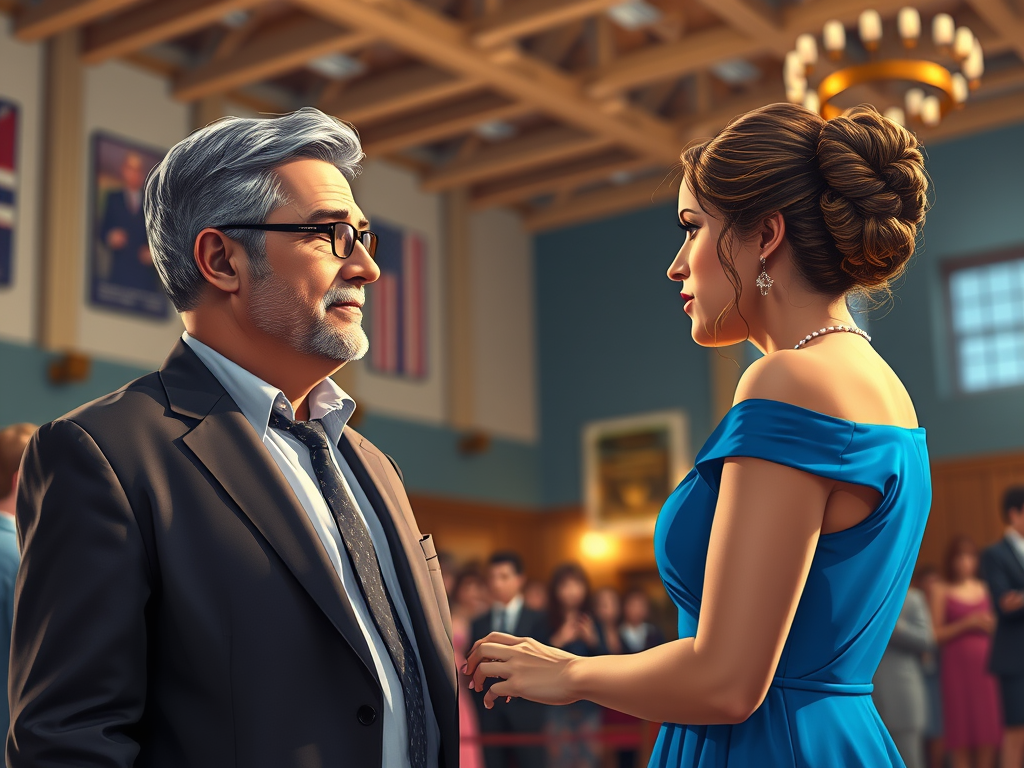
India hadn’t meant to open the invitation. The gold-embossed envelope had arrived weeks ago, hidden under a stack of unread mail. She told herself it didn’t matter, that revisiting her old college was pointless. But when she finally found it, half-crumpled and covered in coffee stains, her hands trembled.

The reunion.

And Keith might be there.

Keith. Even now, his name struck like a note of music she hadn’t heard in years but still knew by heart. The man she had loved—not just loved, but worshipped. He had been her Adonis, an impossible blend of androgynous beauty and untouchable charm. They had shared a summer—one incandescent, endless summer—before he disappeared.

She told herself it was youthful foolishness, that her adult self should scoff at such nostalgia. Yet she found herself staring in the mirror, wondering if she’d aged gracefully enough, wondering if he’d remember her the way she remembered him.

The weeks before the reunion were a blur of frantic preparation. A crash diet left her irritable and light-headed, but she rationalized it as dedication. She scoured boutique shops for the perfect dress, one that whispered sophistication while screaming “look at me.” The final touch was a makeover that erased every imperfection her 20s had forgiven but her 30s now flaunted.

“You look amazing,” her best friend Nita said as they stood in front of the bathroom mirror on the night of the event.

“I have to,” India replied. “This might be the only chance I get to see him again.”

“India…” Nita hesitated. “What if he’s not who you remember?”

India forced a smile. “He will be.”

The reunion was held in the same hall where they’d once danced under string lights and cheap disco balls. Now it was all polished wood and faux elegance, with catering trays that couldn’t disguise the lukewarm taste of regret. India’s pulse quickened as she entered, scanning the crowd for a familiar face.

And then, she saw him.

Keith stood by the bar, but he wasn’t the Keith she remembered. Gone were the ethereal features she had worshipped: the soft golden curls, the flawless complexion, the delicate curve of his lips. In their place was a man weathered by time, his hair streaked with gray, his frame heavier, his eyes duller. He looked ordinary.

Her chest tightened.

“India?” His voice pulled her back.

Keith was smiling, his teeth slightly crooked in a way she didn’t recall. But there was warmth in his expression, the kind that spoke of recognition, not regret. He looked genuinely happy to see her.

“Keith,” she said, her own smile brittle.

“I didn’t think you’d come.” He laughed, and it sounded real. “It’s been, what, fifteen years?”

“Something like that,” she managed.

As they fell into conversation, Keith told her about his life—a career in graphic design, a failed marriage, two kids he adored but rarely saw. He spoke with a vulnerability that caught her off guard, as if he weren’t trying to impress her, only to connect.

But India struggled to listen. She couldn’t stop comparing this man to the memory of the Keith she’d idolized. That memory was pristine, untouchable, while the man before her was flawed and human.

The breaking point came when Keith excused himself to the bathroom.

India wandered to the edge of the room, gripping her champagne flute as the weight of disappointment crushed her chest. Why had she come? To relive a fantasy? To prove something to herself?

“Still hung up on him?” a voice asked.

India turned to find Nita. “What are you doing here?”

“You looked like you needed backup,” Nita said with a shrug. “Also, I’m nosy.”

India laughed bitterly. “He’s not the Keith I remember.”

“Of course he’s not,” Nita said. “Neither are you. But the question is, why does that matter so much? What were you hoping for, India? That he’d sweep you off your feet and everything would magically fall into place?”

India’s throat tightened. “Maybe. I don’t know.”

“Well, you’ve got him right here. Flaws and all. You can walk away if you want, but don’t pretend this is about him. You’re the one stuck in the past.”

When Keith returned, India was still at the edge of the room. He hesitated, his hands shoved awkwardly into his pockets.

“Hey,” he said. “Are you okay?”

She took a deep breath. “I don’t know if I ever told you this, but back in college… I thought you were perfect.”

Keith blinked, surprised. “Perfect? Me? India, I was a mess.”

She smiled despite herself. “Yeah, I can see that now.”

They both laughed, and for the first time that night, India felt the tension ease.

“Listen,” Keith said, his voice soft. “I’m glad you came. You were always… special to me.”

The words hung between them, not quite a declaration, but more than a polite courtesy.

India studied him—the lines on his face, the silver in his hair, the warmth in his eyes. For the first time, she saw him as he was, not as she had idealized him to be. And she realized she had been chasing a ghost, not just of Keith, but of herself.

As they said their goodbyes, India felt lighter. She didn’t know if she and Keith would stay in touch or if their connection had run its course. But as she walked away from the reunion, heels clicking against the pavement, she didn’t feel regret.

Because in seeing Keith for who he truly was, she had begun to see herself the same way—flawed, human, and still worthy of love.

©2024 Rhyan Scorpio-Rhys

The Smoldering Ember

Millie Poole trudged home from her second-shift cashier job, the soles of her discount sneakers slapping against wet pavement. The fluorescent lights of the 24-hour diner across the street buzzed faintly in the misty air. She paused for a moment, staring at the sign—a plate of pancakes frozen mid-flip—and imagined herself walking in, sitting at the counter, and ordering a coffee she couldn’t afford. But instead, she turned toward her apartment building, where every bulb in the hallway flickered like a dying firefly.

Inside her tiny studio, Millie kicked off her shoes and sank onto the couch that doubled as her bed. Another day down. Another paycheck already spent. She had once dreamed of doing more, of being more, but life had ground those ambitions into dust years ago.

The heat started that night.

At first, it was subtle—a faint warmth blooming in her chest, like the embers of a campfire stirring under ashes. She pressed her hand to her sternum, expecting to find some physical sign, but her skin was cool to the touch. It wasn’t pain, exactly, but it was persistent, radiating outward in rhythmic pulses.

By the third day, it became impossible to ignore.

“Stress,” the urgent care doctor said, barely looking up from her clipboard. “Take some time off work. Maybe try yoga.”

Millie almost laughed. Time off meant unpaid bills, and yoga was for people who didn’t count every dollar at the grocery store. She left the clinic with a pamphlet about mindfulness and a gnawing sense that something deeper was wrong.


Weeks passed, and the heat grew unbearable. Her skin flushed red at odd moments, her breath carried the faint smell of smoke, and her clothes clung to her like they’d been left too close to a radiator. Millie called off work more often, claiming flu symptoms to avoid questions. She stayed inside, curtains drawn, watching the lines of sunlight stretch and shrink across her floor.

Her neighbor, Carmen, knocked one evening.

“Millie, I smelled burning. You okay in there?”

“Fine,” Millie called back, her voice hoarse. “Just burned toast.”

But there was no toast. Only her.

One sleepless night, she searched online for anything that might explain her condition. Among the usual hypochondriac fodder and conspiracy theories, she found something that chilled her to the bone.

“The Ember Phenomenon,” the blog post was titled. Written by a self-proclaimed “afterlife specialist,” it described cases eerily similar to hers: people experiencing unexplainable heat, smoke-scented breath, and eventual combustion. The author claimed it was a sign of impending death—not as a victim, but as a catalyst. A living spark meant to ignite something greater.

Millie slammed her laptop shut. It was ridiculous, like something out of a horror movie.

Yet when she lifted her hand to her chest, she felt the ember pulse beneath her palm, hotter than ever.


She wasn’t alone.

The afterlife specialist had left a contact email, and in desperation, Millie reached out. A week later, she met Dr. Albright in a coffee shop. He was a wiry man with sunken eyes, a constant tremor in his hands, and a briefcase that looked older than she was.

“I’ve only seen this a handful of times,” Albright said, sliding a folder across the table. “But every case ended the same way.”

Millie flipped through the photographs—charred remains, blackened silhouettes where people had stood moments before. Her stomach churned.

“Why me?” she whispered.

Albright leaned forward, his expression grim. “You’ve been chosen. The ember is… a tool. A weapon. But whether you use it—or let it consume you—is up to you.”

The words clung to her like smoke.


In the weeks that followed, Millie began noticing things she hadn’t before. The way Carmen shielded her kids from their father’s temper. The old man on the corner who begged for spare change, his eyes sunken with hunger. The teenage girl in the apartment above her who came home every night with fresh bruises she tried to hide.

The ember burned hotter whenever she saw them, as if urging her to act.

One night, she couldn’t ignore it any longer. The screams from upstairs tore through the thin walls, and before she realized what she was doing, Millie was at the door, pounding with her fist.

When the man answered, his face twisted in anger, the ember flared. For the first time, Millie felt its power ripple through her veins, filling her lungs with fire. The man stepped back, his anger replaced with fear as smoke rose from her skin, her eyes glowing like coals.

“Leave,” she said, her voice crackling with heat. “Now.”

He ran.


The ember’s demands grew insatiable. Millie became a quiet force in her neighborhood, stepping in where others wouldn’t. But with every act of intervention, the fire inside her consumed more of her. Her reflection in the mirror became gaunt, her hair singed at the tips, her skin ashen.

One night, Albright called.

“It’s time,” he said.

Millie stood on the rooftop of her apartment building, the city sprawling below her like a patchwork quilt. She could feel it now—the ember wasn’t just inside her. It was her. A living flame, destined to burn away the rot of the world.

As the first tendrils of fire licked at her skin, she smiled. For the first time in her life, she felt alive.


When the firestorm came, it didn’t just take Millie. It spread, igniting change across the city. Her neighbors spoke of her as a hero, a savior who burned herself to save others.

And somewhere, in the ashes of her old life, the ember smoldered still—waiting for the next soul to carry its flame.

Polly’s Cosmic Burden

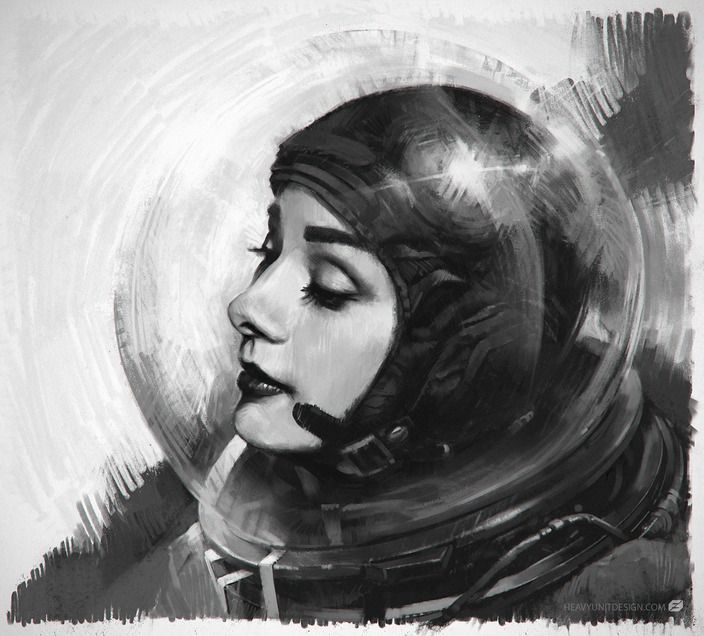
Polly Blethyn stood on her doorstep, the weight of infinite worlds pressing down on her. The silence of the suburban cul-de-sac felt deafening after years among the stars. Her husband, Bob, opened the door, his face a mixture of relief and disbelief.

“You’re home,” he whispered.

“I’m home,” she replied, her voice a fragile thread, threatening to unravel.

Bob embraced her, and she let herself sink into his arms. For the first time since her return, she felt tethered. But even as his warmth seeped into her, Polly couldn’t shake the cold certainty that her homecoming would end in ruin.

The house was the same, but Polly was not. She moved through the rooms like a ghost, haunted by the knowledge she carried. Bob cooked dinner, asking questions about her mission, her years away. She deflected with half-truths, the answers caught in her throat like thorns.

At bedtime, she lay beside him, staring at the ceiling. He turned to her, his hand resting on her arm.

“You’re not really back, are you?” he asked.

Polly hesitated. “There’s something I need to tell you. But once I do, you can’t unhear it.”

Bob studied her. “Pol, whatever it is, I can take it. We don’t keep secrets, remember?”

Her chest tightened at the words. She almost told him then—but fear stopped her. Instead, she kissed him, desperate to lose herself in their shared warmth, knowing it couldn’t last.

The next day, Polly sat in the backyard, staring at the sky. The secret clawed at her, demanding release. Bob joined her, two steaming mugs of coffee in hand.

“You’re carrying something,” he said. “Something big. Let me help.”

She looked at him, her heart breaking. “It’s not that simple. Knowing it will change everything.”

“Change doesn’t scare me. Losing you does.”

His words cut through her defenses. Polly drew a shaky breath. “The universe… it isn’t what we think it is. Everything—life, existence—hinges on delicate threads. When I was out there, I learned the truth. I saw how it all works, how fragile it is.”

Bob leaned in, his brow furrowed. “Fragile how?”

Polly hesitated, then spoke the words that had burned in her mind since her return. As she explained, Bob’s expression shifted from curiosity to horror.

“The universe keeps its balance,” she said. “For every gift, there’s a cost. For every truth revealed, a life must be taken.”

“And you learned the truth,” he said, his voice trembling.

She nodded, tears welling in her eyes. “I didn’t understand the cost until now.”

Polly drew a deep breath, her hands trembling as she continued, “The secret is… everything. It’s not something I can summarize. It’s the why behind every why, the how behind every how. It’s… the pattern, the symmetry.”

Bob leaned in, his brow furrowed, as she continued, her voice a low, urgent whisper. The words tumbled out, strange and incomprehensible, resonating with a cadence that seemed to echo in the air around them.

But as the sounds reached Bob’s ears, they fragmented. The syllables melted into gibberish, slipping through his mind like water through cupped hands. He winced, clutching his head.

“What… what was that?” he asked, his voice strained.

Polly’s face fell. “The universe must have applied some sort of safeguard. It wasn’t meant for you to understand, wasn’t meant for your ears. It’s why the cost has to be paid. I wasn’t supposed to bring this knowledge back. I broke the rules.”

Bob shook his head, trying to process. “This doesn’t make sense. It’s just knowledge. What, the universe punishes curiosity?”

“It’s not punishment,” Polly said. “It’s… equilibrium. The scales must balance. And now that you know—”

The realization hit him. “You’re saying I’m the cost?”

Polly nodded, her tears spilling over. “If I don’t act, the balance will shift. The consequences could destroy everything.”

Bob recoiled. “So that’s it? You’re supposed to kill me?”

“I don’t want to!” she cried. “I’ve been searching for another way. But there’s no escaping it. The universe doesn’t care about us, Bob. It only cares about balance.”

“Then let it fall apart,” he said, his voice breaking. “Let it burn. Don’t do this, Pol. We can fight it.”

Polly looked at him, a desperate hope flickering in her chest. “Do you really believe that?”

He didn’t answer.


Night fell, and Polly sat alone in the living room. Bob was upstairs, packing a bag. She knew he was planning to leave, to give her a way out. But it wouldn’t work. The universe would find him, no matter where he ran.

The front door opened, and Bob stood there, duffel bag in hand. “I’m giving you a choice. Don’t follow me. Let me go, and if the universe wants me, it can take me itself.”

Polly stood, her hands trembling. “Bob, please don’t do this.”

“I love you,” he said, his voice steady. “But I can’t be part of this.”

As he stepped out the door, Polly felt the shift—a ripple in the fabric of existence. She saw the threads unraveling, felt the chaos rushing in like a storm. The universe would not wait.

“Bob!” she screamed, running after him.

Polly caught up to him on the empty street. The stars above seemed brighter, harsher, as if watching. She grabbed his arm, tears streaming down her face.

“You don’t understand,” she said. “It’s happening now. The universe is unraveling. If I don’t do this, billions will die.”

Bob turned to her, his expression softening. “I’m not afraid, Pol. If this is my fate, I accept it. But I can’t let you carry this burden forever.”

Her knees buckled, and she fell into his arms. “I can’t do it,” she sobbed. “I can’t lose you.”

“You’re not losing me,” he whispered. “I’ll always be with you.”

Polly pulled back, searching his face for doubt or fear, but found only love. With shaking hands, she raised the small device—the one designed for a painless end.

“I’m so sorry,” she said.

“I know.”

The light faded from his eyes, and Polly screamed, collapsing beside him as the stars seemed to dim. She felt the balance restore itself, the threads tightening—but the victory was hollow.


Polly sat alone in the cockpit of her ship, the Earth a blue marble behind her. The universe was safe, its secrets intact, but she was broken.

She activated the ship’s log. “This is Polly Blethyn. Explorer. Guardian. Murderer. I saved the universe today, but I lost my world.”

Her hand hovered over the controls. The stars beckoned her, an endless expanse of cold indifference. She set a course for the unknown, hoping to find meaning—or absolution—in the void.

The Spectral Waltz: Odette’s Moonlit Fade

The first time Odette saw Dwight, he was seated at a poker table under the neon glow of a Vegas casino. His face was a study in calm focus, his fingers moving with the deliberate precision of a surgeon as he tapped his chips and flicked his cards. She was drawn to him, not just for his skill but for the glint in his eye—a mix of ambition and danger that hinted at something deeper.

“Careful with that one,” a cocktail waitress whispered to her. “He’s got the devil’s luck, and you don’t play with the devil unless you’re willing to lose.”

Odette ignored the warning. That night, when Dwight flashed her a smile over his winnings, she fell.

At first, their love was intoxicating. Dwight’s triumphs felt like her own. He swept her up in the thrill of his victories—the adrenaline of big bets, the raucous laughter of late-night celebrations, the whispered promises of a future filled with riches. Odette, a college dropout stuck in a dead-end waitress job, felt like she’d finally found her golden ticket.

But it wasn’t just the money. Dwight had a way of making her feel seen, like she was the only person in a room full of distractions. He had charm, sure, but also a vulnerability he rarely showed anyone else. When he held her after a night of poker, confessing his fears of failure, Odette felt needed.

“We’re unstoppable,” he’d say, his voice low and full of conviction. “You and me against the world.”

She believed him.

The losses began slowly—a bad night here, an unlucky streak there. Dwight shrugged them off at first, but soon, the cracks began to show.

“I’ll turn it around,” he said one evening, gripping her hand as if she were a lifeline. “One big win, and we’re back on top.”

But the wins never came. The house always won, and Dwight's golden touch dulled to tarnished brass. Odette tried to support him at first, urging him to walk away, but Dwight wouldn’t listen.

“I just need time,” he snapped one night, his eyes bloodshot from lack of sleep.

Time was all she gave him. Days turned into weeks, weeks into months. The man she fell in love with had become a stranger—angry, desperate, unreachable. And in his shadow, Odette began to disappear.

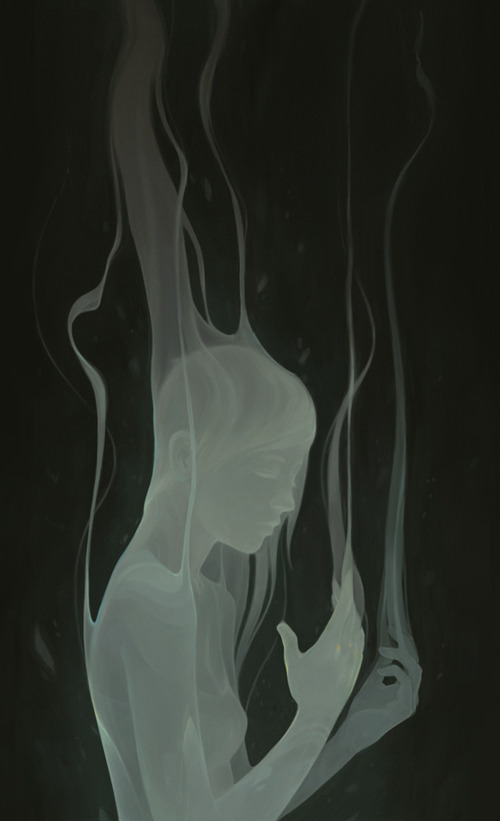
She started noticing it in small ways. Her reflection in the mirror seemed fainter, less defined. Strangers bumped into her on the street, as if they didn’t see her at all. Even Dwight seemed oblivious to her presence, muttering apologies when he brushed past her in their cramped apartment.

“Do you even see me anymore?” she asked one night, her voice trembling.

Dwight barely looked up from his laptop, where he was studying poker strategies. “Of course I do,” he said. “I’m doing this for us.”

But there was no "us" anymore, only Dwight and his obsession.

One evening, as the moon hung heavy in the sky, Odette sat alone on the apartment balcony, watching the city lights blur in her vision. She tried to remember the last time she felt whole—when she wasn’t just an echo of herself.

Inside, Dwight cursed under his breath, another bad hand played on an online table. He didn’t even notice when Odette stood, her translucent figure blending with the pale moonlight.

She walked through the apartment like a ghost, touching the poker chips scattered on the coffee table, the faded photo of them from happier days. When she reached Dwight, she leaned in close, her lips brushing his ear.

“I loved you,” she whispered, though she wasn’t sure if the words would reach him.

Dwight shivered but didn’t turn around.

By the time Dwight realized she was gone, the apartment was empty, save for the lingering scent of her perfume. At first, he assumed she’d gone to clear her head. When hours turned into days, he started calling hospitals and shelters, wondering if she’d fallen into harm’s way.

It wasn’t until weeks later, sitting alone at a poker table with no one to cheer him on, that the weight of her absence hit him.

He looked up at the dealer, a faceless man whose eyes glinted like twin mirrors. “You all right, buddy?” the dealer asked.

Dwight opened his mouth to reply but stopped. For a moment, he thought he saw her in the crowd—a pale figure drifting between the slot machines. When he blinked, she was gone.

Odette was never found. Some said she ran away, escaping a man who had gambled her love into oblivion. Others whispered of a ghost that haunted the casino floor, a shimmering reminder of the price of obsession.

Dwight played on, each hand a futile attempt to win back the life he’d lost. But in the end, he was just another gambler, betting on the impossible and haunted by the faintest memory of the woman he had loved and destroyed.

©2024 Rhyan Scorpio-Rhys

The Final Flicker: Gigi’s Cinematic Farewell

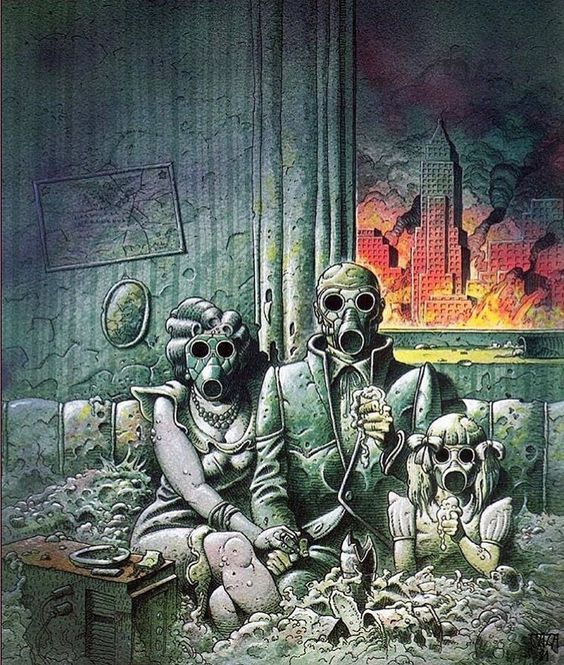
Armageddon arrived on a Tuesday, as if the universe itself adhered to a grim schedule. An asteroid the size of a city struck Earth with unrelenting fury, shattering continents and unleashing a shockwave that raced ahead of the firestorms. By noon, the sky was a cauldron of ash and flame. By dusk, the world had surrendered to chaos.

In a small suburban house on Ashworth Lane, the Glomb family made their decision. While neighbors screamed and scattered, clutching at frantic escape plans, the Glombs stayed. They barricaded themselves in their living room, a fortress of ordinary comforts in a world turned unrecognizable.

It was Gigi’s idea to watch a movie. At eleven years old, she had spent half her life curled up on this couch, staring at this screen, spinning dreams from flickering images. Tonight, she wanted one last dream.

“Pick something happy,” her father murmured, his voice shaking just enough to betray him. He fiddled with the remote, hands clumsy with adrenaline.

Gigi’s small fingers brushed his. “This one,” she said, holding up the Blu-ray case. The edges were frayed from love, the cover smeared with fingerprints. Her favorite.

Her mother glanced at it, lips pressing into a thin line, then nodded. “Perfect choice, sweetheart.”

Outside, the dying sun burned crimson through the curtains, bathing the room in an otherworldly glow. The air smelled faintly of smoke, though the flames hadn’t reached their street yet. The distant thunder of collapsing buildings was a steady drumbeat, a reminder that time was running out.

The movie began, its cheerful theme song cutting through the heavy silence. Gigi curled between her parents, her head resting against her mother’s shoulder, her legs draped over her father’s lap. She giggled at the opening scene—a goofy character tripping over his own feet. Her laughter was bright, incongruous, and achingly precious.

Her father glanced down at her, his jaw tightening. “She doesn’t understand, does she?”

“She understands enough,” her mother whispered, stroking Gigi’s hair. “But she still believes in happy endings.”

He nodded, his throat working as he swallowed hard. The movie’s colorful animation reflected in his glasses, a stark contrast to the destruction creeping ever closer. He wanted to believe in happy endings too, for her sake.

An explosion rocked the street. The windows trembled, and the family froze. Gigi’s fingers tightened on her mother’s arm, but she didn’t cry out. Her parents exchanged a glance—fear darting between them like an electric current—but neither moved.

“It’s okay, Gigi,” her mother said softly. “We’re safe here.”

The lie hung in the air, fragile but necessary. Gigi settled back against her, trusting, her gaze fixed on the screen.

Her father ran a hand over his face, then leaned toward his wife. “Maybe we should’ve—”

“Don’t,” she interrupted, her voice firm. “We made the right choice. Together.”

He hesitated, then nodded. His hand found hers, their fingers intertwining. They sat in silence, watching their daughter laugh again as the movie’s hero triumphed over absurd odds.

As the film neared its climax, the heat became oppressive. Sweat beaded on their foreheads. The faint scent of smoke had grown acrid. The red glow outside the windows pulsed like a heartbeat, steady and inescapable.

“Mom?” Gigi asked, her voice soft. “Do you think... we’ll see Grandma and Grandpa? You know... after?”

Her mother’s throat constricted, but she forced a smile. “I think so, sweetheart.”

“Good.” Gigi smiled back, her face serene, her innocence unshaken. “I miss them.”

Her father leaned down, pressing a kiss to the crown of her head. “They’ll be so happy to see you.”

The final scene of the movie played out, a burst of music and color that seemed to defy the destruction outside. Gigi clapped her hands, her eyes shining with joy. “That’s my favorite part,” she whispered.

The power flickered. The TV screen dimmed and sputtered, then went black. The room plunged into silence, save for the distant roar of flames.

Gigi frowned. “Did the power go out?”

Her mother pulled her closer, burying her face in Gigi’s hair. “It’s okay, baby. Just close your eyes.”

Her father wrapped his arms around them both, his voice cracking as he murmured, “We’re right here, Gigi. We’ll always be right here.”

The flames reached the house, their heat searing, their roar deafening. But inside the cocoon of their embrace, the Glomb family clung to each other. Together, they faced the end, wrapped in love and the memory of a movie that made them forget, for a little while, that the world was dying.

As the fire consumed them, their silhouettes lingered in the flames, a fleeting echo of humanity’s light against the void.

The Price of Admission: A Soul Laid Bare

Melissa stood at the gates of eternity, the threshold where mortal ambition dared to collide with divine reckoning. Her pulse raced, each beat hammering against the fragile cage of her deceit. The price for admission to paradise was steep, and she had wagered all she had: half-truths, polished lies, and a confidence that bordered on reckless bravado.

Before her stood the celestial gatekeeper—a figure neither stern nor cruel, but impossibly serene, as if carved from the essence of judgment itself. His eyes, shimmering pools of light, seemed to pierce straight through Melissa’s carefully woven façade.

Her forged credentials, the fruit of painstaking manipulation, trembled in her outstretched hand. Crafted with the precision of a master con artist, the document was her ticket to eternity, a masterpiece of counterfeit faith. But as the gatekeeper regarded her, his gaze unraveled her lies like loose threads from an unraveling tapestry.

“You stand at the threshold of eternity,” he said, his voice soft but resonant, “cloaked in deception.”

Before Melissa could respond, a flick of the gatekeeper’s wrist sent a ripple through the air. Her garments dissolved into mist, exposing her body to the divine light that seemed to radiate from everywhere and nowhere.

Naked but unashamed, Melissa squared her shoulders. Years of devotion to vanity had crafted her into a vision of flawlessness. Her skin was smooth, her form statuesque. Even now, as she stood under the scrutinizing gaze of the divine, she allowed herself a fleeting moment of pride.

But the gatekeeper was not here to admire.

A quill, seemingly plucked from the wing of an angel, appeared in the gatekeeper’s hand. Its tip gleamed, not with ink but with liquid light. Before Melissa could question its purpose, the quill hovered above her bare skin and began its work.

It moved with a surgeon’s precision, tracing intricate patterns across her body. At first, the lines shimmered silver, their beauty mesmerizing, as though an artist had chosen her as the ultimate canvas. But as the designs settled, the silver began to darken, turning into a bruised, mottled purple.

Melissa gasped as the symbols revealed their meaning. These were no mere decorations—they were her sins, etched into her very flesh. Every omission, every manipulation, every betrayal was accounted for in the winding script that now marred her body.

“What is this?” she whispered, her voice trembling.

“These,” the gatekeeper replied, his tone unyielding but devoid of malice, “are the truths you tried to hide. A lifetime of sins, written so none may deny them—least of all you.”

The symbols coiled around her, wrapping her body in an inescapable narrative. From her feet to her neck, her skin became a map of shame. Her left arm bore the jagged symbols of lies told to loved ones; her right, the looping glyphs of promises broken. Across her chest sprawled the dark stain of greed, and around her throat twisted the spirals of betrayal, tightening like a noose.

Melissa clawed at her skin, desperate to erase the evidence. But the marks were no longer just surface—they had become a part of her, embedded in her essence.

“This isn’t fair,” she hissed, her voice rising in defiance. “You don’t understand what I’ve been through. What I had to do!”

The gatekeeper’s gaze did not waver. “Fairness has never been the measure of truth. Your actions, your choices, are written here. They are yours to bear.”

Melissa’s defiance faltered as the weight of his words sank in. The tattoos were not a punishment from the gatekeeper; they were her own creation, the inescapable ledger of her life.

“You may enter,” the gatekeeper said, stepping aside. “The gates will not deny you. But understand this: you are marked. Wherever you go, others will see what you are. And you, Melissa, will never escape the knowledge of what you have done.”

Tears stung her eyes, but she refused to let them fall. She squared her shoulders and stepped through the gates, her bare feet crossing the threshold into the divine realm.

The landscape that greeted her was breathtaking—a world of light and endless beauty. Yet as Melissa took her first steps into eternity, she felt no joy. The others, luminous beings who walked in the light, turned their heads to look at her. Their gazes lingered on the bruised glyphs that coiled across her body, their expressions a mix of pity and quiet judgment.

Her steps faltered, and for the first time, she felt the full weight of her sins pressing down on her, heavier than the lies that had carried her this far. The promised land stretched before her, but she realized now that it was no sanctuary. It was a mirror, reflecting every stain on her soul.

Melissa’s hands clenched into fists as she moved forward, each step a reminder that paradise was not an escape but a reckoning. The beauty of the world around her only deepened the ugliness she carried within, her sins a shadow she could never outrun.

And as she wandered the divine realm, the symbols on her skin whispered their story to all who looked upon her: the wages of sin, paid in full, but never forgotten.

A Heist of Hearts

Crispin Blackthorne, a mastermind at pulling off complex capers and the architect of audacity, had stolen everything imaginable: priceless art, corporate secrets, and even a crown off a king’s very head. But none of it compared to the one thing he couldn’t steal back—the heart of one Miss Fern Wilder. She had left him months ago, walking out of his life with no more than a quiet “Goodbye,” and Crispin, who had the uncanny knack of spotting a set up or double cross at a thousand paces, hadn’t seen it coming.

Act 1: The Gathering

Crispin took his place at the head of the long, battered table in the back room of The Olivia Twist, a run-down dive bar owned and operated by Libby Twistell—the only ex whose good graces he had somehow managed to stay in. 

The room smelled faintly of spilled bourbon and desperation—a fitting setting for his latest scheme. His crew sat around him, leaning back in their mismatched chairs, arms crossed or drinks in hand. They were his trusted accomplices, his tools of precision in countless capers. But tonight, they were also his greatest hurdle.

“Thank you all for coming on such short notice,” Crispin began, his voice smooth as silk. His smile was effortless, confident—the smile of a man who always had the upper hand.

Eddie the Nose snorted, running a hand over his balding head. “You said this was a job, Crispin. I dipped out of a high stakes poker game for this.”

“It is a job,” Crispin said, raising his hands in mock appeasement. “Perhaps the most important one we’ve ever undertaken.”

“More important than the Louvre Lift?” Mira Ball drawled, her painted lips curling into a smirk. “Because unless we’re stealing a spaceship, I have my doubts.”

Crispin turned to her with a conspiratorial grin. “Mira, this one’s more ambitious than all the rest combined. We’re not stealing something mundane like gold bullion or jewels or state secrets.”

He reached into his coat pocket, drawing out a folded blueprint and snapping it open on the table. “We’re stealing the Wilder Heart.”

The silence that followed was so absolute, the hum of the flickering neon light above sounded deafening. The crew exchanged glances. Finally, JunoScript, the perpetually unimpressed tech genius, leaned forward, squinting at the blueprints.

“Uh… I’m not seeing any vaults here, boss,” she said dryly. “No guards, no laser grids. Did you mix up your schematics?”

Crispin chuckled, unruffled. “This isn’t about breaking into a vault. It’s about breaking through emotional barriers. We’re going to steal back the heart of the woman I love.”

Eddie burst out laughing, slapping the table. “You’re kidding me. You’ve dragged us out here to play matchmaker? Come on, Crispin. We’re thieves, not therapists.”

Hold up a minute,” Mira’s smirk vanished. She leaned forward, her voice cutting. “You’re not talking about She Whose Name Must Not Be Spoke, are you? The one who left you high and dry six months ago?”

“She didn’t leave me high and dry,” Crispin corrected, though a faint flush crept up his neck. “She… departed. Stealthily.”

“Left you shook,” Mira added. “With us having to pick up the pieces of your shattered dignity.”

“An over exaggeration,” Crispin said breezily, though his eyes narrowed just slightly. “What matters now is that we’re going to bring her back.”

Juno raised an eyebrow. “You sure she wants to come back?”

Crispin shot her a look. “She just needs to remember what we had. What we still have. That’s where you all come in.”

Eddie groaned, throwing up his hands. “Boss, this is madness. We don’t do this kind of thing. Love isn’t something you can just—what? Steal? Con?”

“Why not?” Crispin countered, his voice sharp now. “You’ve conned your way into private estates, Mira’s stolen identities so good the real people still believe them, and Juno? You’ve hacked more hearts than anyone here would care to admit.”

“That’s different,” Juno said flatly. “I don’t think you can brute force romance.”

Mira leaned back in her chair, arms crossed. “This isn’t a heist, Crispin. This is a vanity project. You’re asking us to risk our necks for your broken heart?”

Crispin’s smile remained fixed, but there was a glint in his eye now—a dangerous edge. He paced around the table, his presence magnetic, pulling their attention to him like moths to a flame.

“This isn’t just about me,” he said, his voice lowering to a conspiratorial whisper. “Think about it: if we can pull this off, if we can prove that even love can be won through sheer brilliance, what does that say about us? About what we’re capable of?”

He stopped behind Mira, resting a hand lightly on her chair. “You, Mira. Imagine the costumes you’ll create for this. The characters you’ll bring to life. They’ll talk about your work for years.”

He moved to Eddie next, clapping a hand on his shoulder. “Eddie, you’ve tracked everyone from mob bosses to missing heirs. Finding where Fern’s hiding out? Child’s play for you.”

Juno sighed, rolling her eyes. “And me?”

“Ah, Juno.” Crispin leaned over her chair, his grin widening. “You’ll be the puppet master behind the scenes. If anyone can choreograph the digital dance of destiny, it’s you.”

Finally, he straightened, his gaze sweeping over the room. “And Sasha? My dear wordsmith? I’ll need the perfect lines to convince her that I’m still the man she fell in love with.”

SashaSpeare, who had been silent until now, tilted her head. “You’re banking a lot on words, Crispin. But if you need poetry, you’ll pay in cash.”

Crispin laughed. “I never touched a dime of my take from the Louvre Lift. It’s yours, split evenly.”

Eddie frowned, still unconvinced. “And what if this goes sideways? What if she slams the door in your face?”

Crispin’s smile dimmed, just for a moment. “You’ll still get paid, and I’ll make sure she never knows you were involved. You vanish like shadows, and she’ll be none the wiser.”

The room fell silent again. This time, though, the hesitation was tinged with intrigue. Crispin knew he had them—not because they believed in the plan, but because they couldn’t resist the challenge. He’d played them like a fiddle, weaving doubt, flattery, and ambition into a symphony of manipulation.

“All right,” Mira said finally, sighing. “I’ll play dress-up. But when this explodes in your face, don’t come crying to me.”

Juno shrugged. “I’ll set up the tech. But don’t say I didn’t warn you.”

Eddie grumbled something under his breath but nodded. “Fine. Let’s get this over with.”

Crispin’s smile returned in full force. “That’s the spirit. Now, let’s plan the greatest heist of our lives.”

As they leaned in to examine the blueprints, Crispin allowed himself a small, private smile. The crew might not see it yet, but they were all part of his masterpiece—a grand tapestry of love, deception, and redemption. And like any great artist, Crispin intended to leave his mark.

Act 2: The Set Up

The room was abuzz with nervous energy. Crispin leaned over the table, his fingers splayed across a map of the city. He tapped a spot circled in red—a forgotten warehouse at the edge of town, its windows boarded and its floorplan perfect for his purposes. Around him, the crew exchanged skeptical glances, their faith in the plan wavering.

“So,” Crispin said, his eyes glinting with mischief, “this is how we win her back.”

Mira crossed her arms, her dark eyeliner smudged from hours of prep work. “You mean this is how you win her back. The rest of us are just… collateral damage?”

“Collateral benefit,” Crispin corrected, flashing her his trademark grin. “Think of it as an investment. When this works, and I’m back in Fern’s good graces, our crew will be stronger than ever. She’ll remember why she fell for me—and why she trusted all of us.”

Juno snorted, leaning back in her chair. The glow of her laptop cast a faint green light across her face. “Bold assumption. What if she remembers why she left in the first place? Last I checked, people don’t usually swoon over being lured to creepy warehouses by fake kidnappers.”

“Details,” Crispin said with a dismissive wave. “It’s all about the execution. And nobody executes like we do.”

Eddie the Nose, forever the pessimist, jabbed a finger at the map. “This? This is your big plan? Smoke bombs and stage props? We’re not magicians, Crispin. And Fern Wilder’s no damsel waiting to be swept off her feet. She’ll see through this in five seconds flat.”

“She won’t,” Crispin said firmly. “Because she wants to believe in something bigger—she always has. That’s what drew her to me in the first place. The audacity, the spectacle. This isn’t just a heist. It’s a performance.”

“Or a suicide mission,” Mira muttered. “Either way, sounds fun.”

Crispin straightened, his grin fading as he looked each of them in the eye. “I’m not asking for your blind faith. I’m asking for your trust. You’ve seen what we can pull off together. This will work because it has to work. And because I’m Crispin Blackthorne.” His voice softened, his usual bravado giving way to something almost vulnerable. “This isn’t just a job. It’s personal.”

The room fell quiet. Even Mira, who lived to needle him, seemed caught off guard by the uncharacteristic sincerity in his tone.

“Fine,” Juno said at last, breaking the silence. “I’ll hack the warehouse cameras. But if this goes sideways, I’m out. Forever.”

Crispin gave her a mock salute. “Noted.”

One by one, the others grudgingly nodded their agreement. Even Eddie, though his scowl made it clear he thought this was a terrible idea, grunted his assent.

“Excellent!” Crispin clapped his hands together, the swagger returning to his voice. “Let’s get to work.”

Act 3: The Execution

On the night of the heist, the warehouse was shrouded in fog, the air thick with anticipation. Mira and Eddie arrived early to set the stage, arranging props and positioning smoke machines for maximum effect. Crispin stood at the edge of the scene, adjusting his coat and watching as the pieces fell into place.

“Are you sure about this?” Mira asked, checking the fake blood squibs strapped to her chest. “I mean, like really sure?”

“Have I ever let you down?” Crispin replied.

Mira arched a brow. “Do you want that list alphabetically or chronologically?”

Crispin smirked. “Just stick to the script. She’ll be here any minute.”

In a dark corner of the warehouse, Juno crouched over her laptop, monitoring the area’s security feeds. “Cameras are looped,” she said into her headset. “If she checks later, all she’ll see is an empty building.”

“Good,” Crispin replied. “And Eddie?”

“Ready and waiting,” came the gruff response from the shadows. Eddie’s voice carried a mix of irritation and grudging loyalty. “Just say the word.”

The sound of footsteps echoed from outside. Crispin’s heart leapt as he saw her silhouette through the broken glass of the warehouse door. Fern Wilder, as sharp and poised as ever, stepped inside, her movements cautious but confident. She wore a leather jacket that hugged her frame, her dark curls pulled back into a loose ponytail. Her eyes scanned the room, sharp and calculating.

“Fern,” Crispin whispered to himself, a mixture of longing and nerves twisting in his chest.

Juno’s voice crackled in his ear. “Target’s in the building.”

Crispin took a deep breath. Showtime.

The warehouse erupted into chaos.

Smoke billowed from hidden machines, filling the room with an eerie haze. Eddie and Mira, masked and armed with fake weapons, burst from the shadows, their voices booming.

“Hands in the air! Now!”

Fern didn’t scream. She didn’t even flinch. Instead, she tilted her head, her expression calm but wary. “Really? This is how we’re doing this?”

Crispin stepped forward, his coat billowing dramatically in the swirling smoke. “Fern! Don’t worry—I’ll handle this.”

He disarmed Eddie with a well-practiced flourish, then turned to Mira. She raised her prop gun, her movements deliberately exaggerated to sell the act. Crispin lunged, twisting the weapon from her grasp and tossing it aside.

“Go!” he shouted at Fern, his voice dripping with manufactured urgency. “I’ll hold them off!”

But Fern didn’t run. Instead, she bent down, picked up Mira’s fake gun, and inspected it with an amused smirk.

“This is plastic,” she said, her tone deadpan.

Crispin froze, his confident facade cracking. “Uh…”

Fern turned the gun over in her hands, then looked at him. “Did you really think I wouldn’t recognize your handiwork? You’re still as theatrical as ever, Crispin.”

From the shadows, Juno muttered into her headset, “Called it.”

Act 4: The Reveal

Smoke hung in the air, curling around the battered props and discarded fake weapons. Mira lay sprawled on the ground, nursing her pride more than her bruises. Eddie sat slumped against a pillar, one hand clutching his ribs, muttering curses under his breath. Even Juno, typically unflappable, peeked cautiously from behind her makeshift command center, her laptop glowing faintly in the dim light.

But all eyes were on Fern.

She stood in the center of the room, the fake gun still in her hand. Her sharp eyes flicked from one crew member to the next before settling on Crispin. He was frozen a few feet away, his confident swagger replaced by a stunned, almost sheepish expression.

“You didn’t think I’d recognize one of your stunts?” Fern asked, her voice cutting through the haze like a blade. She tossed the gun onto the ground with a clatter.

Crispin opened his mouth to respond, but no sound came out. For the first time in what felt like years, he was genuinely at a loss for words.

Fern tilted her head, her gaze narrowing. “Let me guess: you thought you could stage some grand, romantic rescue? Remind me of how charming and clever you are? Sweep me off my feet and straight back into your arms?”

“Well…” Crispin began, his trademark grin creeping back onto his face, “when you put it that way, it does sound rather brilliant, doesn’t it?”

Fern rolled her eyes. “Brilliant? This was sloppy, even by your standards. A warehouse with obvious staging? A bunch of mismatched ‘kidnappers’ who couldn’t intimidate a squirrel? And you,” she added, pointing at Eddie, “you couldn’t even keep your mask on straight.”

Eddie muttered something inaudible and adjusted the crooked ski mask still hanging around his neck.

Crispin spread his arms, as though presenting an elaborate gift. “You’re right—it wasn’t perfect. But it was bold. Audacious. Memorable.”

“Memorably stupid,” Fern shot back. “Did it ever occur to you that this might backfire? That I might walk out of here angrier than I was before?”

“Of course it occurred to me,” Crispin admitted, stepping closer. “But I had to try. You were always worth the risk, Fern.”

Her expression softened for a fraction of a second before hardening again. “Worth the risk? Or worth the gamble? Because that’s what this feels like, Crispin. Another one of your games. And I’m tired of being the prize.”

Act 5: The Confrontation

Fern’s words hung in the air, heavier than the smoke. The crew, sensing this was no longer their fight, began to slink away. Mira helped Eddie to his feet, and Juno tucked her laptop under her arm.

“Crispin,” Mira muttered as she passed him, “you’re on your own for this one.”

“I’ll call you if I survive,” he replied, his eyes never leaving Fern.

The sound of the crew’s retreating footsteps faded, leaving the two of them alone in the cavernous warehouse.

Fern crossed her arms and stared him down. “Well? What’s your next move, genius? Or did your master plan end with me seeing through your nonsense in under a minute?”

Crispin hesitated. This was the part he hadn’t planned for—the part where he had to be honest. Vulnerable.

“No next move,” he said quietly. “No backup plan. Just… me, standing here, telling you I screwed up.”

Fern blinked, surprised by his sudden candor.

“I don’t just mean tonight,” Crispin continued, his voice steady but uncharacteristically subdued. “I mean us. I screwed up us, Fern. I spent so much time playing the role of Crispin Blackthorne—mastermind, charmer, thief—that I forgot how to just be me. And when you left… I didn’t know how to fix it. So, I did what I always do. I tried to stage a comeback.”

She didn’t respond, her face unreadable.

“I know I’ve hurt you,” Crispin said, taking a cautious step closer. “And I know I don’t deserve another chance. But I couldn’t let you disappear without trying. Without showing you that I’m willing to fight for us, even if I have to do it the only way I know how.”

Fern studied him, her sharp eyes searching his face for signs of deception. For once, she found none.

“You really believe you can fix this with one big gesture?” she asked, her voice quieter now.

Crispin shook his head. “No. But I hoped it might be a start.”

Act 6: A Glimmer of Hope

Fern sighed and ran a hand through her hair. For a moment, the only sound was the distant patter of rain on the warehouse roof.

“You’re an idiot, Crispin,” she said finally.

He smiled, a small, hopeful thing. “I’ve been called worse.”

“And reckless. And infuriating. And completely incapable of thinking things through.”

“All fair points,” he admitted.

“But,” she added, her voice softening, “you’re also persistent. And honest, when it matters.”

Crispin’s heart lifted. “Does that mean…?”

Fern held up a hand, cutting him off. “It means I’m not walking out of here for good. But don’t think this means I’m coming back, either. You’ve got a lot to prove, Crispin. And not just to me.”

“I’ll prove it,” he said quickly. “No more games. No more heists. Just… me, trying to be better.”

Fern gave him a long, measured look before finally nodding. “We’ll see.”

The Alchemy of Anger

The first sign of trouble is in her eyes. They harden, storm clouds gathering, and I know the thunder is coming. Her anger doesn’t roar; it simmers. Quiet. Controlled. It’s the kind that seeps through the cracks of silence, heating the air between us until it feels unbearable.

“What did you mean by that?” Her voice is low but sharp, a knife grazing the surface.

I pause, caught off-guard. My reply—half-hearted, careless—had been an attempt at humor. But now, in the reflection of her anger, it looks like cruelty.

“I didn’t mean it like that,” I say carefully, but her gaze sharpens. The explanation feels hollow even to me.

Her anger ignites. “You never mean it, do you?” she snaps, and the words pour out, each one like kindling tossed into the fire. “You don’t think. You don’t care how it makes me feel.”

The urge to fight back swells in me, hot and insistent. I could argue, could lay out all the times I’ve been careful, attentive. All the times I’ve held my tongue. The words press against my teeth, demanding release.

But I see the hurt behind her anger, the way it burns brightest not in her voice but in the quiver of her hands. I force myself to pause. To look.

“It’s not that I don’t care,” I say, softer now. “I just... didn’t think it would hurt you. I wasn’t trying to.”

Her expression falters, just slightly, but her anger holds. “That doesn’t make it better.”

No, it doesn’t. I know it doesn’t. Still, I want her to see me, not as the enemy but as someone trying—fumbling, failing, but trying. I take a slow breath, swallowing the instinct to defend myself.

“It was thoughtless,” I admit. “I’m sorry.”

The words hang in the air, a tentative bridge between us. For a moment, I think she won’t take it. That her anger will keep burning, too strong to douse. But then she exhales, long and shaky, like a storm rolling past. Her hands fall to her sides.

“You always say that,” she murmurs, but there’s no venom in her tone now. Just weariness.

Her anger has ebbed, but the tension still lingers. I step closer, careful not to push too far too fast. “I mean it,” I say. “I’ll try to do better.”

The space between us shrinks, and I reach for her hand. She doesn’t pull away, though her grip is hesitant, loose. “I know I mess up sometimes,” I say, “but I don’t want to hurt you. Ever.”

Her eyes meet mine, and something shifts—subtle, like a tide turning. The hurt is still there, but the anger has given way to something quieter. She squeezes my hand, just once, and it feels like permission.

I pull her gently into my arms, feeling the tension in her body slowly ease. My chin rests against her hair, and I whisper, “I love you.”

She doesn’t say it back right away, and that’s okay. The silence between us feels fragile but whole, like something delicate being mended. I hold her until the weight in the air lightens, until the warmth of her presence replaces the heat of her anger.

When she finally looks up, her expression is softer, her eyes clearer. “I’m tired,” she says.

“Me too.”

But we’re still here, together. And that’s enough for now.

Thirteen For Halloween: The Unwritten Chapters

The Cracked Spine was a secondhand bookstore that smelled of old paper from a bygone era. The air was thick with the weight of hardcover and paperback editions in search of new owners, each containing stories begging to be reread. We reached for the same copy of Proust’s In Search of Lost Time, fingers brushing in that intimate, fleeting way that only strangers can experience. It should have been a harmless moment, a serendipitous encounter, but instead, it marked the beginning of a descent into madness.

Nora, a figure swathed in the quiet allure of mystery, captivated me immediately. Her dark eyes, a shade too deep to be entirely human, held an intensity that unsettled as much as it intrigued. Our love for literature wove an initial bond, yet there was something deeper, an unspoken tension lurking beneath her every word. While I bared the pages of my soul, Nora remained an unread novel, her secrets bound in leather, sealed by something much darker than ink.

I should have known something was wrong when she invited me into her home. There was a weight to the atmosphere in her flat, a heaviness that pressed against my chest, making it hard to breathe. Rows of books lined every wall, like a silent congregation of forgotten lives watching my every move. But one book stood apart, a volume so ancient that its spine seemed to pulse with something… alive.

Nora noticed my gaze, and in an instant, her demeanor changed. She moved to block my path, her movements too quick, too desperate. “It’s not ready,” she said, her voice trembling—fearful, even. “It’s only a draft.”

But I couldn’t stop myself. My curiosity had taken root, festering into an obsession, and despite her protests, I reached for the book. The leather binding was unnaturally warm, as though the cover itself was alive, pulsing beneath my fingertips. The moment I opened it, I felt the floor beneath me tilt, the world spinning as the words leapt off the page, twisting and coiling around my mind like serpents.

The first few pages were innocuous enough—rough sketches, half-formed ideas, fragments of what could be—but the further I read, the more a terrifying pattern began to emerge. The protagonist was a man. He was a writer. He was me.

Each chapter chronicled intimate details of my life, moments no one else could possibly know. The way I always kept my pens organized by color. The whiskey I drank when I couldn’t sleep. The thoughts I only admitted to myself in the dead of night. But the horror didn’t end there—no, the final chapters were something else entirely.

They told of a slow, creeping descent into terror. Each word described how this man—how I—would die, alone and forgotten, hunted by something far more dangerous than Nora’s simple mystery. There were no metaphors here. No clever narrative tricks. This was a blueprint. A death sentence.

I looked up from the book to find Nora watching me, her expression unreadable. But there was something in her eyes, something dark and predatory. The warmth I had once seen was gone, replaced by an emptiness so cold it turned my blood to ice. She smiled—a slow, curling smile that never reached her eyes.

“I’ve been working on that for a long time,” she whispered, stepping closer. Her voice was low, intimate, as though we were lovers sharing a secret. “It’s my best work yet, don’t you think? The final chapter is… exquisite.”

The realization hit me with sickening clarity—this wasn’t fiction. It wasn’t a story. It was a prophecy. Nora had been crafting my death with the precision of a master artist, every detail sharpened to perfection, every emotion honed for the ultimate cut. And I was the masterpiece.

I stumbled back, dropping the book as though it had burned me, but there was nowhere to run. The walls of her apartment seemed to close in, the shadows stretching, growing, until they swallowed everything in their path. Nora’s figure loomed before me, her face twisted with something feral, something no human could ever possess.

“You were always meant to be the final chapter,” she breathed, her lips brushing my ear like a lover’s caress. “My magnum opus, completed in flesh and blood.”

I turned to flee, but the shadows reached out, cold fingers clawing at my ankles, dragging me down. My mind screamed, but my body betrayed me, frozen in place as she knelt beside me, her fingers tracing the outline of my throat.

“You’ll die beautifully,” she promised, her voice soft and soothing, like a lullaby sung by the damned. “I’ll make sure of it.”

The last thing I saw before the darkness consumed me was her smile—a perfect, serene smile, as though she had written this moment a thousand times before. And in that final, terrible instant, I realized the truth: Nora hadn’t just been writing my story.

She had been living it.

The unwritten chapters would be scrawled in blood, a story of obsession, murder, and twisted love. And I, the unwitting protagonist, had already lost my chance to rewrite the ending.

Thirteen For Halloween: The Demon’s Lament

Alethea stood at the edge of twilight, a figure straddling the sacred and profane, cloaked in human flesh that barely concealed the infernal fires beneath. Her beauty was a mask, her voice a siren's call, lilting with promises of protection and devotion. She breathed lies as easily as air, each word slipping like silk around the throat of her chosen prey.

"Calvin," she whispered, the sound curling through the gloom. "You need not fear me. I only seek to keep you safe."

The air grew thick with the scent of decay, the cloying perfume of ancient temptation. Calvin, a man anchored in faith, clutched his rosary so hard his knuckles paled. His heart beat against his ribs like a frantic animal, but his thoughts held firm, fortified by the Scriptures that warned against the Beast's seductive touch.

“Stay back,” he stammered, eyes wide, the cross held between them like a blade. “You are not of this world. You are a creature of darkness.”

Alethea's gaze softened with an almost imperceptible sadness, a crack in the veneer of her monstrous facade. "You speak of darkness as if you truly understand it," she said, her voice as cold as the grave. "You cling to your faith, your symbols, as though they could protect you from the reality that lies beneath your skin. We are not so different, you and I."

Her eyes, black pools that swallowed the light, seemed to plead with him to see beyond the horror, to recognize the fractured soul trapped within the demon's form. But Calvin’s grip tightened, and his lips moved silently, reciting prayers he had learned as a child. The holy words fell from his tongue like ash.

“Get thee behind me, Satan,” he spat, though his voice quivered. “I will not succumb to your wiles.”

Alethea’s expression darkened, the illusion of warmth draining from her face like a sunset giving way to the night. Her features sharpened, revealing the contours of something ancient and hungry lurking just beneath the surface of her skin. The sadness in her eyes flared into rage, a cold flame that burned without heat.

“You fool,” she hissed, her voice reverberating like the tolling of a funeral bell. “You speak of salvation, but you have damned yourself by your own hand. Had you not recoiled in fear, I would have shielded you from the evils of this world until the stars themselves burned out.”

The shadows around her twisted and writhed, alive with malice. Calvin stumbled back, his faith wavering as an icy dread clawed its way up his spine. In that instant, the mask fell away, and the full horror of her true form unfurled before him: a thing forged in the abyss, its skin a darkened marble streaked with cracks through which a hellish glow seeped. Her mouth split wide, revealing rows of needle-like teeth slick with hunger.

A scream clawed its way from Calvin's throat as she descended upon him. Her nails, sharp as daggers, raked his flesh, and her mouth, unhinged and yawning like a pit to oblivion, latched onto his throat. As she fed, the life drained from his eyes, the rosary slipping from his limp fingers to the cold earth below. His soul, severed from its mortal tether, slipped into darkness, vanishing like a final breath on the chill wind.

When the feeding was done, Alethea stood amidst the carnage, her hunger sated but her heart hollow. She knelt beside Calvin's body, her bloodstained lips trembling as she whispered, “I would have loved you.” Her words fell into the night, unanswered and unheard, a lament carried away by the wind.

The silence that followed was suffocating, and Alethea found herself staring into the void, a creature born of darkness yet grieved by a love that had been poisoned by the prejudice of mortal men. In the end, she was left with nothing but the taste of regret and the certainty that true damnation lay not in her infernal nature, but in the hearts of those who could only see her as a monster.

The night wore on, and the demon wept tears of blood over a love that had died before it had ever truly lived.