Jadie-Mae loved Satur-days, especially after all the chores had been done, that’s when all the carefree frolicking occurred. Satur-nights was a whole different story. That was bath time and she didn’t want to get into the bathtub, even though Momma added her favorite scented bubble bath and tested the water to make sure the temperature was baby bear. Just right. She stood still as a picture, bare, grimy feet on the cold tiled bathroom floor, staring at the fluffy mounds of soap bubbles that resembled clouds in a storybook.
Momma came knocking, back of her hand rapping on the door like a dish panned woodpecker. “Jadalyn Maeve Langford, I distinctly remember telling you this was bath time, but I don’t hear any water splashing!” she said in that strict voice laced with a care that only mothers possess.
Jadie-Mae quickly dipped her hand into the tub and made a couple of quick splashes. “I’m splashin’, Momma, I’m splashin’.” Bubbles lingered on the back of her hand, tickling slightly as they popped out of existence.
“You better not be in there horsing around, young lady! If I come in there and find you’re not in the bath, only one of us is going regret it, and it’s not going to be me, hear?”
“Yes, Momma,” the little girl answered, deflated.
Jadie waited until she heard the sound of Momma’s slippered footsteps moving away from the door—scuff-plap, scuff-plap, scuff-plap—the woman’s voice fading yet still audible, speaking to herself as she often did, “I just don’t know sometimes. Why would anyone want to stink so bad the devil can smell them down in hockey sticks?” No one was allowed to say the name of the devil’s home inside the house. One of Momma’s Golden Rules. It went from being H-E-double-hockey-sticks down to just plain old hockey sticks.
Still, she didn’t want to step foot in that tub, something just wasn’t natural about sitting in hot water like a stew rabbit. But Momma could get right ornery if everything and everybody wasn’t clean. Cleanie-ness is next a’kin to Goddy-ness, she always used to say, or something like that. There really wasn’t any choice.
Jadie-Mae squeezed her eyes shut, held her breath tight, let the towel drop to the floor and stepped into the bathtub. As usual, the temperature of the water was just right. Momma was always good about getting things just right. As she sank down into the tub, the girl let her breath go and opened her eyes and smiled at the bubble welcoming committee.
Unnoticed as she played with soapsuds, dirt began sliding off her body, along with dead skin cells, hair, grease and body oils. All of this combined with the soapy water, creating a film that made a slimy grayish ring that clung to the bathtub wall. Then a shoreline developed on that ring. An eviscerated landscape in which idols of many and various forms pulled themselves from the gunk in fantastic and intricate detail.
Jadie-Mae stopped her bubble festivities for a moment and strained her ears. She could barely make out faint voices, implorations hidden within the murmurs of supplicants pledging their fealty to the unnamed ones and torturers laying whip to the split flesh of the unrepentant.
The soap bubbles slowly undulated as it began its metamorphosis into billowing clouds of fog that lost their tenuous grip on the murky water’s surface and circled in a tightly controlled oblong within the bath basin. From within the fog, at the other end of the tub, two cones of light rotated, sweeping the waters and Jadie was unsettled for a moment by the sound of foghorns of purest agony.
She shifted in the tub and shook her head, trying to clear the illusion from her sight. Her movements created ripples on the water’s surface. Ripples that grew into waves that carried with it the minuscule Charon skiffs, pitching them against the shoreline, splintering the vessels into so much wreckage. First, she heard the sounds of the tiny people who threw their arms up and pleaded to Little Horn, the anointed covering cherub, as a monstrous tidal wave crashed down on the landscape, reducing it to ruins. Then came the screams of those who lost their lives.
Her shock lasted all but a moment until she realized what was happening. Momma was right—when was Momma never right?—the devil himself smelled her from hockey sticks and sent his minions after her! They were going to make her home sick with wickedness and she couldn’t allow that. Momma didn’t raise no sinner! “I’m powerful sorry but I gotta do my washing up. I can’t have Momma be mad at me.”
Jadie-Mae grabbed the bar of soap from the dish and scrubbed her skin like her life depended on it, and it did. Her life and the lives of her family. Then she poured a dollop of shampoo on top of her head and worked it with her fingers into a lather. She dunked her head beneath the water level for a rinse, which created a wall of undulating foam and debris of proportional gigantic height that rolled towards the lighthouse made of skulls nestled betwixt her ankles. When the wave finally hit, the lighthouse was engulfed in churning water. It rocked back and forth and for a moment it looked like it would have remained anchored to the spot but the sweeping lights exploded and rained infinitesimal sparks as the structure crumbled.
Momma’s face was fierce like thunder when she stormed into the bathroom. “What in the world is all that commotion—?” and she stopped in mid-sentence, for there was her daughter, Jadalyn Maeve, a squeaky clean angel, beaming her biggest, brightest smile.
“All clean, Momma!” she said as pulled the stopper from the drain and stepped out of the tub and into the towel in her mother’s loving, outstretched arms. “Cleanie-ness is next a’kin to Goddy-ness.”
“Yes, it is, baby. It most certainly is.” Momma chuckled and dried off her precious little girl as the lifeless bodies of devil minions and the remnants of false idols spiraled in the whirlpool back down to hockey sticks.
The car pulls into the driveway. It’s called an Uber and at first I think it’s the make and model of the car but the driver tells me it’s the name of a car service and although he’s patient and friendly in his explanation, I can feel my face flush red hot in embarrassment. There are so many things I don’t know that I don’t know. The entire world has a steep learning curve for me.
I wouldn’t have recognized the house, couldn’t have picked it out among the others because I haven’t seen it in over sixteen years and the memories are fuzzy because those years haven’t been kind. I’ve been told that it’s the house I grew up in and I nod with no acceptance or conviction because when I think about where I grew up all I can picture is being trapped in a dark and cold basement in a strange location. This house has never once appeared in my mind not even in my dreams.
From the moment the car arrives, people surge out of the front door but they don’t approach the car, perhaps because they’ve been advised not to or perhaps they’re as afraid to meet me as I am to meet them.
I thank the driver as I close the rear driver side door and walk toward the crying and smiling crowd, desperately trying to untwist the constrictor knot my stomach has become. I’m sure they don’t mean to be but each and every one of them is too loud and although they’re careful not to touch me, they’re too close and I want to run. I want to run into the basement and lock the door behind me and go down as far as I can manage and find the darkest corner to curl up into and if that place doesn’t exist, I want to dig a hole into the earth and bury myself in it until the world becomes a quiet place again.
It’s unmistakable, the feeling of warmth and comfort and community that exists in this place and I hate it almost instantly. I’m not supposed to as I’m a human being and we’re known to be social animals but if truth be known the only peace I’ve ever experienced has always been in complete isolation.
Nothing seems right. The sound of people’s voices expressing gratitude and the low volume music in the background blend into some abnormal din that assaults my ears like the opposite of white noise, even though I know that isn’t right because the other end of the spectrum from a combination of all of the different frequencies of sound would be silence and silence would be a welcome change at this point.
Even faces are foreign and I’ve known most of these faces for the first nine years of my life but the arrangement of their features is wrong. Even my own reflection is out of place and unfamiliar. I want to leave, to pivot on my heels and push past this closeness of flesh, flag down a police officer and ask them to take me back to where I was found a fortnight ago.
I miss that basement because it’s the only home I know.
I want to back away but there are too many people behind so I push forward looking for a little elbow room, a safe barrier of personal space where I don’t have to feel the nearness of otherness or fight off a wave of nausea when someone’s aura scrapes against mine and makes a teeth-clenching noise like God raking His fingernails across the skin of the universe.
In the crowd I spot a face I don’t know and because I don’t know this woman and have no expectations of the way she must look she appears less odd than the rest. I lock onto her eyes and feel a transfer of knowledge between us. She is like me. She understands the words I’m unable to speak, words that will never be uttered by me in my entire life even if I live for two centuries. I want to move to her, to be closer to her, to stand within the sphere of her understanding but another woman, an aunt, I think, appears from nowhere and pulls me into an unwanted embrace and whispers into my ear with hot breath laced with wine, “You are such a brave girl.”
Brave? I want to say. What’s so brave about being afraid to let myself die? But instead, it comes out as, “Thank you.” I’m not even sure that’s a proper response, I simply need to say something to break the hold and by the time I manage it, the other woman, the woman with the understanding gaze, is gone.
And I’m aware of the people behind me again moving in closer pushing me forward without making contact with me when I come to the realization that their action is purposeful, they’re urging me forward from the front door through the foyer and into the living room for a reason and that reason being my mother and father standing in the center of the empty living room. I step in eagerly, not because I’m particularly glad to see them, I love them but the real reason I’m eager to get into the room is for the space so my soul can breathe again.
There’s this moment of silence and it’s like heaven and my mother takes on the form of Lucifer Morningstar by attempting to shatter paradise with the calling of my name that turns into a shriek that eventually ends in tears and hitching breath. Before I realize what’s happening, she’s on me wrapping her arms around me and lifting me off my feet. I am nearly as tall as she is and outweigh her by thirty pounds easily but this thin woman lifts me as though I was still the same nine-year-old who went outside to play and missed her curfew by more than a decade and a half. My face is buried in her hair and unlike this place that used to be and is once again my home, unlike the matured faces of the people I vaguely recognize as family, the smell of my mother’s hair, the scent of her coconut shampoo smashes through the floodgates of my mind and I am buried beneath wave after wave of memories which scare me and my eyes leak tears because I now realize how much emptier my life has been without this woman, although the world she inhabits still feels alien to me.
I say, “Hi, Mom,” and the word Mom feels distant, like I understand what the word means but the direct connection with it has faded and I don’t want to call her Mom at the moment, I want to call her by her first name but I have no idea what my mother’s name actually is.
She sets me down gently and her arms loosen and slide from around me but her fingers never leave me as they trace sweaty contrails across my back, under my armpits up to my neck where she cups my face in both hands. A move only mastered by a mother. “Hi, baby,” she says and I both resent it because I’m not a baby anymore and miss it because I would give the remaining years of my life for the chance to be nine again in the company of this woman if only for one day.
She calls my father over while carrying on a constant stream of nervous and excited chatter in an attempt to catch me up on all the events that occurred since the last time we laid eyes on each other.
My father approaches with caution as if I come with a warning. He has undoubtedly been told what has been done to me while I was in captivity and probably some of the things I had to do to myself in order to stay alive. He doesn’t know everything because I am the only survivor, there’s no one else to bear witness and I will never tell another soul everything that I’ve been through in order to be here today. And it would break him to hear it so it becomes one of the many burdens I must bear alone.
His haunted eyes are misted with tears that he fights to control as he offers me that sidewinder smile of his–a name Mom gave him because he only smiles and talks out of one side of his mouth as if he’s a stroke victim. “Hi, kiddo,” he says.
All the others unknowingly crowd me and the only person I would not mind that of, my father, does not. He sees it, the invisible property lines that mark my personal space and respects the boundaries. I want to tell him, forget the signposts, just come hug me, Daddy but those are words I don’t know how to speak so I say, “Hi, Dad,” and I manage to dig up a smile from the recesses of some long forgotten happiness. At least I hope it looks like a smile, I haven’t done it in so long, I fear I might’ve lost the knack.
Mom is still babbling away nonstop when she remembers her basic etiquette, “Oh! Are you hungry? You must be famished!” And before I can answer,
“Get her something to drink,” Dad says. “Something cold.” And Mom takes off like a shot into the kitchen.
My father just stands there looking at me, taking in the measure of me. I can’t see the missing years on my mother but on him, I see every second, minute, hour, day, month and year. Beneath his thinning hair, deep wrinkles crease his face. He’s worried and afraid of me and for me but he manages a smile.
In a voice low enough for my ears only, he says, “It’s gonna bother you, what you did, but just know you did the right thing. You ended the man who stole you from us and found your way home again. That’s my girl.”
I’m stunned. Of all the things I expected from this moment straightforward acceptance was never in the running. I rush to my daddy and throw my arms around him and break down and cry and he squeezes me tight and all the things that I can’t say and all the things he can’t say, they’re all there, transmitted on a biological level and he doesn’t move, doesn’t speak, doesn’t loosen his grip on me until my body stops shaking, until I have no more sobs and no more strength left.
He scoops me up into his arms and for the second time today I am nine years old again. “I think she’s had enough excitement for one day, so thank you all for coming but now it’s time for us to be alone,” Dad says, as he pushes through the crowd and carries me upstairs to my old room.
He sets me down gently on my bed that’s now too small for me, brushes the hair matted by tears and snot from my face, kisses my forehead and says, “When you’re ready.” and I know exactly what he means.
He leaves, taking Mom with him, assuring her it’s the right thing to do and as their voices get smaller I get up from the bed, lock my bedroom door, draw the blinds shut and crawl under my bed and ball up fetal, relishing the dark and the quiet.
Tomorrow I’ll begin trying to locate the house I was rescued from because although this house is nice, it’s no longer a place for me.
I opened the apartment door performing my famous grocery juggling act, organic cotton bags of the heavier items in each hand with two more sacks containing lighter stuff dangling off my wrists. I could have pulled out the shopping cart and saved myself the hassle of lugging the load from the supermarket, true, but the building’s elevator was on the fritz yet again and I didn’t relish the thought of pulling my arms out of their sockets by dragging the cart up seven flights of stairs one agonizingly slow step at a time. Slamming the front door shut with my heel, I went to the kitchen and flicked the light switch with my nose—and nearly dropped the bags.
There was someone standing in the kitchen.
My husband was at work and Katy was watching my daughter so the apartment was supposed to be empty but there this stranger stood. Terror trapped the scream in my throat and locked my legs rigid. I walked in on a robbery and now there was a very distinct possibility that I was going to die. And even if the burglar didn’t kill me, I wouldn’t be able to identify him. I was born with a visual processing disorder where I wasn’t able to differentiate between certain shapes, letters, small details and facial features. Therapy helped me learn a unique way of processing visual information so it was manageable except during anxiety attacks or when I encountered a sudden visual shock.
The man in my kitchen–I assumed it was a man because the blob was taller and broader than me–appeared to me as nothing more than a silhouette, a thing that didn’t compute, that didn’t make sense because he wasn’t supposed to be here. Still rooted to the spot, unable to move, I tried to calm myself, to focus, so that if I managed to survive I could give the police some sort of description.
And slowly I began assembling and rearranging bits of visual fragments. It was a man. His back was to me. He was standing in front of the under-cabinet mounted microwave, his hands picking at something that sounded like plastic. Then the puzzle pieces fit into place and I knew this man by his brown comb-over with its deep part, the slump of his shoulders in the navy pea coat.
“Caleb! Oh, my friggin’ God! What the hell are you doing lurking in the kitchen in the dark like that? You almost scared the living daylights out of me!” The tension flooded from my body and I was suddenly aware of the weight of the groceries that nearly slipped from my hands as I stumbled to set them on the kitchen table.
“I thought you were a burglar about to kill me or something! What are you doing here? Why aren’t you at work?” I demanded.
“Sorry about that, babe, I should have called,” Caleb said. He was about to put a small bag of pork pot stickers in the microwave but set the plastic pouch back on the counter. He didn’t turn around.
“Honey, what’s wrong?”
“I have to tell you something,” he said and I didn’t like the sound of his voice.
“What something and why won’t you turn around and look at me?” I asked but my heart was hammering in my chest because all I could imagine was that he was going to admit he was cheating on me. All those long hours when he was supposed to be at work–
“It’s about the job.”
It almost didn’t register because I was preparing myself for the worst. When it finally sank in I let out a sigh of relief but caught myself. “Did you get fired?” That was something that absolutely positively could not happen now, not with Elizangela going back to school next month.
“Worse than that, I’m afraid.”
“What’s worse than getting fired?” I asked. After being frightened half to death, the needle on my patience gauge was swiftly approaching the big red E.
“I got–” Caleb swung around and smiled that fantastic smile of his, the one that made the butterflies flutter in my stomach. “Promoted!”
I could feel my eyes going wide. “No friggin’ way!”
“Yes friggin’ way,” said Caleb and he was on me before I knew it, sweeping me off my feet in that wonderfully secure bear hug of his. “And it comes with a hefty, hefty, hefty salary bump!”
I went rigid in his arms. “Wait a minute. Three hefties? Either you’re exaggerating or that’s a lot of money. Don’t get me wrong, honey, I’m not saying you don’t work hard and deserve every penny of it but what’s the catch?”
Caleb set me down gently. “It isn’t like that, babe, there’s no catch. Not really.”
“I knew it. Spill.”
“Built into the pay raise is an insane relocation fee–“
“Relocation?”
Caleb nodded and continued, “If I can manage to move house and start work by the fifteenth.”
“The fifteenth? That’s only a week away!”
“I know but we’ve always been the #ChallengeAccepted type,” he smiled again but I wasn’t having any of it this go-round.
“Relocate to where?”
“Fort Wayne, Indiana,” he said under his breath.
“Who-what-where? What the hell is in Fort Wayne, Indiana?”
“I’m sure there’s plenty of stuff but the biggest attraction is the relocation fee could cover the cost of our first house. Our. First. House. Our dollar would go a long way and we could spend more of it on Liza to make sure she gets the best of everything, things we can’t afford to give her in New York. Where is she, by the way?”
“With my sister, it’s easier to do the shopping with her preoccupied.” Elizangela was at the Ooo, Mommy, can we please get this? stage in her development which was okay for the leisurely stroll through shops but not so great on the money-is-tight necessity runs.
I looked at him for a long moment. He’d have had to know about this for a while now but he kept it from me even though we made a no-secrets pact and if I brought this up he’d hand me some line about not wanting to jinx the promotion and I’d be upset but I’d know he was telling the truth because he was a big believer in the almighty jinx.
My first instinct was to say no, to fight him tooth and nail, all because he hadn’t consulted me on this enormously life-changing decision. But that would have been petty. Yeah, my feelings were hurt but it would be our first house, something we’d been talking about for years. And a better life for our daughter? I’d be a heinous-monster-worst-mother-on-the-planet if I didn’t set my wounded pride aside and at least consider it. So, I did.
“Okay.”
“Okay?” he asked.
“Okay, let’s do it,” I shrugged.
“Are you serious? I can tell my boss yes?”
“You didn’t accept it already?”
“Of course not, not without checking with you first.”
I gave him a hug and a quick kiss on the cheek before leaning in to whisper in his ear, “You big, stupid idiot! I love you, sometimes, you know that?”
***
Thanks to the internet, finding a house, even one that was seven hundred and forty-seven miles driving distance away was a piece of cake. The hardest part? Ignoring the common sense warnings from our parents and friends who thought our decision was rash, something we’d done because we were bored. But in the end, it was our choice to make and if they still hadn’t liked it after we explained the situation to them, they could just go ahead and lump it.
Online, we managed to locate a real estate agent who understood our situation and was willing to work with us in finding a fixer-upper in our price range, getting the house appraised and coordinating the paperwork so we could close the sale in five days, skipping the entire mortgage credit process by paying in cash.
Elizangela was the biggest shock in the relocating process. I’d have bet my eyeteeth that she would have kicked up a storm having to leave Queens and all her friends behind but Caleb cleverly presented the idea using Duck Tales, her favorite tv show, as an analogy.
“We might solve a mystery?” Elizangela asked, face full of childish hope.
“Or rewrite history,” Caleb answered and joined her in singing the show’s catchy theme song.
And like that, our daughter was sold on the idea and helped pack all her things with nary a complaint. My only complaint? We decided it was cheaper to drive, though it added five hours or so to the trip which Caleb and I took turns behind the wheel of the rental so there was no problem there, it was Elizangela singing the once adorable but now monotonous Duck Tales theme song on a loop for most of the time she was awake that began grating on my nerves.
***
Our new home pretty much matched the virtual tour we took on the realtor’s website. It was indeed a fixer-upper and would probably take the better part of a year before all the repairs could be completed. The outside was another story entirely. The front lawn was a respectable size, enough for me to create a nice vegetable garden, but the backyard was massive and overgrown to the point I thought we’d have to buy a couple of machetes, like in those old safari films, to hack the tall grass down to a mowable size. The plan was to tame the savage land and maybe build a grilling deck for our eventual summer barbeques and a playset for Elizangela to go on her Duck Tales adventures in and maybe entice some of the neighborhood kids to come over so she could make some new friends. Those plans all changed the moment we came across the graveyard.
I was on Caleb the moment he stepped into the house after work. “Do you want to know why this house was so cheap?”
“It’s a fixer-upper,” he answered, confused and a little more than slightly uncomfortable at the proximity of my face to his own. “We both knew that going into this. Why is it a big deal all of a sudden?”
“It’s not the repairs, Caleb Allen Mitchell,” I whisper-screamed. Even though I was on the verge of hysteria I was mindful not to upset Elizangela who was upstairs playing in her room. “It’s the friggin graveyard sitting smack dab in the middle of our backyard!”
“Graveyard? Did the previous owner bury a pet or something?”
“Pet? There are twelve graves with headstones out back! That’s not a memorial for poor, dead Fluffy, it’s a creepy-as-hell-honest-to-goodness graveyard!”
“Okay, calm down. Let me check it out,” he said trying not to sound skeptical and doing a lousy job at it.
I marched–it was more of an angry stomp-walk that seemed to me at the time to be childish but I couldn’t help myself–him down the foyer, past the living room, through the kitchen and flung the back door wide.
“Tell me I’m overreacting,” I said gesturing at the tombstones.
Caleb trudged over the carpet of tall grass that I spent the better part of the day attacking with the weed wacker and knelt beside the closest headstone.
“These are pretty old,” he said, running his over the cracked surface of the crumbling stone. “The inscriptions aren’t even legible anymore, most likely due to acid rain which means they’re probably made of calcite.”
“How do you know so much about headstones?”
“My dad,” Caleb answered. “My gran died when I was little and I was terrified of the cemetery when we buried her so my dad took me on walking tours of graveyards and told me the truth about what happens when we die and why funerals were important. Sometimes we’d just marvel at the tombstone designs and he could tell what they were made from just by looking at them. Some fathers and sons had sports, me and my dad had graveyards. That may seem pretty morbid to you, but those were some of the best memories of my dad. It was just the guys and he would talk to me like a man.”
“I think it’s kind of sweet in a weird way,” I said and placed a hand on his shoulder.
“Yeah, Dad’s always been pretty unconventional,” Caleb patted my hand, stood and dug the cellphone from his pocket. He made several calls, the first being to the realtor who sold us the house. I had to admit, he was good deal calmer and damn sure more polite than I would have been had the roles been reversed.
“No, this is not a crank call,” Caleb said into the phone. “Yes, there are twelve headstones. No, they’re really old, the information on them has been worn. No, I have not dug them up to confirm the existence of dead bodies. How do I know it is a graveyard? The headstones I just mentioned are giving me a strong indication that someone interred their dead beneath them. I can snap a couple of pics and send them to you if you’d like.”
Believe it or not, he had to repeat those answers several times to several different departments and organizations and what we learned was there was not going to be a swift resolution to our problem.
First, we had to contact the Historic Preservation Office to see if the land our house was built on was a former cemetery. Luckily for us, it wasn’t. Nor was there a family plot permit on record with the town Zoning Commission or approval from the state Department of Health.
We were informed there was a possibility the gravestones had been discarded. As creepy as it sounded, some people saw the value of the stones as building materials, but our stones–I didn’t like the fact that Caleb acknowledged ownership when speaking on the phone or that I had come to refer to them in the same manner–were out in the open and not used as part of our house’s foundation. The other suggestion offered was the previous owners might have thought they made for cool conversation pieces during backyard barbeques. Since the only way we could have verified this was to dig up one the graves ourselves–and there was no way in hell we were going to do that–we contacted the police.
To make a long story short, let’s just say the grave markers weren’t for show. Each stone did indeed contain a coffin in which were human remains. When the medical examiners arrived with the local tv station reporters and camera crew, our internet-folly-first-house became a tabloid story and possible crime scene.
A forensic anthropologist was brought in to examine the human remains to establish the identity, or if that was not possible, at least the age, sex, number of individuals present, and other facts. Once it was established that the remains were not part of a crime scene they were turned over to a local cemetery for reburial.
Then we were contacted by the Registrar of Cemeteries and told about the Funeral Burial and Cremations Services Act, which made it our responsibility to fix the problem. Because some grieving or possibly idiotic person choose to bury their dead in the backyard and the realtors hadn’t bothered to check the tall grass behind the house, we had to foot the bill for either reinterring at another site or cremating the remains–hell, let’s just call them what they were, bones–at a price tag that ranged between $500 and $1,000 per body.
That was when I went lawyer shopping, even though the realtor assured us, “The situation can be worked out amicably.” Amicably meant they might accept partial financial responsibility for a clerical oversight. My aim was to make them pay entirely for their screw up with a little extra for the obvious emotional distress. I played that distress up on camera the day I discovered a newspaper reporter lurking outside my daughter’s school waiting to ambush the both of us for an interview.
During the entire ordeal, Elizangela was grace under fire. She got that from her dad. She was full of questions, though, and we answered them as truthfully as we could. The graveyard forced us to introduce the concept of death sooner than we wanted to and she struggled with the same concepts I struggled with when my parents had the talk with me.
“Death is permanent,” Caleb said. “Do you know what permanent means?”
Elizangela shook her head and her bangs danced in front of her eyes.
“It means forever, honey,” I said, taking her tiny hand in mine. “It means once you die, you go away and never come back.”
“You mean move? Like we did from our old home to our new home?”
Calen shook his head slowly. “No, Liza, when a person dies, that means their body stops working. Their heart doesn’t beat anymore, they don’t need to eat or sleep, and they don’t feel any pain ever again. They leave their body because they don’t need it anymore.”
“But that’s other people, not us, right?” Elizangela asked.
What followed was a very long, extremely exhausting everything that is alive eventually dies conversation that ended with our baby saying, “Oh.” No tears, no hysterics, no subsequent nightmares or follow up questions. Just, “Oh.”
***
After a month or so of avoiding the backyard after the police concluded their business and things in the neighborhood began returning to normal, Caleb and I revisited plans to spruce up the area behind the house. The first order of business was filling in the former graves.
The problem was they wouldn’t stay filled.
The dirt shoveled into the holes the day before appeared by the graves the very next day. Not all the dirt, mind you, but enough to make noticeable piles. I didn’t want to worry Caleb about it, he had too much on his plate as it was with the new position and following up on our lawsuit with the realtor and tracking down the previous owners of the house, so I shoveled the dirt back in and never mentioned a word to my husband. But the following morning, sure as bread fell butter-side down, there the dirt would be in neat little piles.
We had gotten to know all our neighbors pretty well, especially after the tv news coverage put our area in the spotlight longer than most of the residents were comfortable with, but the neighbors to our immediate left, Hannelore and Sean Bogatz were two of the kindest people that ever set foot on God’s green earth. I spotted Hannelore–Hannie, to her friends–one morning when we were both retrieving the morning paper from our front lawns. During casual conversation, I mentioned the grave issue.
“It just boggles the mind why anyone would sneak onto our property and dig up the graves after we fill them? I’d write it off as an animal or something but the dirt is always piled up so neatly.”
“Well,” Hannie shrugged. “It could be kids up to a little mischief they consider to be fun or funny and if you’re leaning toward that way of thinking, I’d take a good look at those Woods boys, always up to no good. Sean and I had a run in with them a little while back that ended the moment we spoke to their parents. Strict as Irish priests in the seminary, Michael and Ella are.”
I had half a mind to pay Michael and Ella Woods a visit but what would that accomplish, accusing their sons with no real evidence? Which meant I needed to gather some. So, later on, after I put the day’s affairs in order, I took a midday nap before I needed to pick Elizangela from school and while she was up in her room, I quickly refilled the holes in the backyard–more scraping dirt into the open former graves that shoveling.
It was hard concentrating on conversations during dinner and the board game during family time because I wanted nothing more than to go out back and patrol the yard. But that had to wait until Elizangela had been put to bed and Caleb’s deep breathing turned into a light snore.
Sliding out of bed slowly and lifting my smartphone off the nightstand, I stepped as silent as I could manage, trying to remember where the creaking boards were located on the hardwood floor, and crept out of the bedroom and downstairs to the kitchen.
The casement window gave me the perfect vantage point to see out over the entire garden and one of the backless saddle stools we used for the kitchen island was the perfect sitting height for me to rest my elbows on the counter beside the sink. Earlier today I downloaded a night vision app–that was actually capable of capturing images at night, not the fake ones that simply inverted daylight images with a green overlay–on my phone in preparation for the stakeout. Not only was I determined to catch the culprit, I was also willing to sit up all night if need be.
I activated the night vision and turned the phone’s camera lens slowly, sweeping the yard. There was movement! Not a body, but dirt flying out of the hole nearest the house! I hopped off the stool, made a beeline to the kitchen door that led to the backyard–and it was unlocked? Had Caleb missed it when he made his nightly rounds securing the windows and doors? It hadn’t seemed likely. We were both native New Yorkers, Caleb represented Queens and I was raised out in Brooklyn, just like the lyrics of that LL Cool J song, and we never went to bed without making sure the house was secured.
Never mind, I would deal with that later. Now, I was racing across the cool grass and ignoring the pain in the soles of my feet as I pushed pebbles and pointy stones into the earth, on my way to gather evidence I could show Michael and Ella about their boys.
I stopped at the edge of the hole and snapped a picture. “I’ve got you now, you little shi–” It wasn’t the Woods boys.
Elizangela knelt in the center of the hole, nightgown pulled up above her knees, dirt cupped in her small hands.
“Liza, why are you playing in the–” I nearly said grave but caught myself and changed it to, “hole? It’s the middle of the night, honey!” Elizangela became upset and started to cry. Was it because I startled her, or made her feel she had been caught doing a bad thing?
I climbed into the (grave) hole and wrapped my arms around my daughter. I held her in silence until sobs waned to tears that quieted down to the occasional shudder.
“It’s okay, sweetheart. I just want to know what you’re doing and why you felt you had to sneak around at nighttime instead of just telling me?”
I thought Elizangela was so distraught that she couldn’t answer my question but after a long silence, she said, “Because you and Daddy said we shouldn’t tell secrets.”
“Secrets? Whose secrets are you keeping? Did your daddy tell you a secret?” I became suddenly afraid of what her answer might be, but she shook her head.
“I can’t tell you. I’m so sorry, Mommy,” Elizangela paused and asked, “Do you still love me?”
I was floored by the question. I cupped her small face in my hands and wanted desperately to say something definitive, something that would stick within her always so she never felt the need to ask that question ever again.
“Of course I do,” I answered. “I’ll always love you, Liza, no matter what.” And I meant it but it came out too quickly, sounded too rehearsed, too much like a pat answer.
“Maybe,” Elizangela started, careful not to look at me. “Maybe it’d be okay to tell if I asked them.”
I was about to ask her who they were but she began talking out loud in a funny voice, one I would never have recognized as coming from my daughter. At first, I thought she was talking to herself then I realized she was asking questions to the dirt walls surrounding us, reasoning with them, before she made her request.
My daughter smiled, finally making eye contact. “They said okay.”
“Who said–” I started and then a door opened in my vision, a door that has been hidden in plain sight, most likely for the entirety of my life. A door that could have been responsible for my visual processing disorder. From the doorway emerged ghosts of all ages shapes and sizes. Some of the older spirits carried the essences of babies that perhaps weren’t alive long enough to develop physical bodies.
They spoke to me but not in words. Images flooded my mind, of light and darkness, of peace and violence, each of them a history being forced into my mind, faster and faster until they became a subliminal blur.
Out the corner of my eye, I saw black ink bleed from the grave walls and swirl around me and I was suddenly caught up in a tornado of black. I lost sight of Elizangela and tried to call out to her but my jaw was clamped tight as if it had been wired shut. Electrical pulses shot through my body and deadened my nerve endings. I couldn’t catch my breath as my vision started to slowly fade out.
I found myself in that ethereal realm that occupied the space between dreaming and consciousness and in that space I wasn’t me. Though I couldn’t see myself, I knew that I was in another body, or better yet, bodies, twelve to be exact. The same as the number of graves. I was in twelve different places as twelve different people living twelve different lives at the same time. The histories that had been forced upon me moments? days? years? ago now made sense. I understood these people. I knew who they were, knew their struggles, their loves, their pain, their inevitable fates and more to the point, I knew their names.
The information burned itself into my memory as I lost my footing in the intangible nirvana and slipped toward the harsh reality of the waking world. When I came to my senses, my head was resting on my daughter’s lap and she was stroking my hair the very same way I’d done to her so many times before.
“It’s only like that the first time, Mommy,” she said, smiling in that way that always reminded me of Caleb.
I sat up in the grave. There was no escaping the cold that seeped into my bones and settled in the marrow. Everything felt wrong, not just the cold. There were foreign sounds in my head, voices that weren’t my own, too loud, too busy when all I wanted was a bit of silence, some time to sort things out. And there would be time but it would come later.
I focused on Elizangela with a desperation I hadn’t felt since the day she was born, when I was afraid I knew nothing about being a mother. But my daughter’s eyes were calm and wise. Without saying a word, she told me she knew.
And now I knew, too. The bodies belonged here, it was their land first. They needed to be returned, needed to have their grave markers restored with their names and information to mark their forgotten existence on the planet. Once that was done, they could finally move on.
Now all I had to do was convince Caleb which meant I’d have to give my father-in-law a call for some pointers.
My past often crossed paths with my present, but never with the people I desired to see again. Because of this, I’m always filled with an odd mix of embarrassing nostalgia and unwanted reflection, followed by the inevitable introspection. I see where old acquaintances are in their lives and I can’t help but look at where I am in relation to my dreams and aspirations.
No matter if you’re the outgrower (the disinterested party) or the outgrown (the rejected party), neither are comfortable during a random meeting. Also, dealing with people from my past have had the effect of feeling like I was moving backward. As if all the growth I’d experienced after being separated from that person vanished because they’re present in my life again.
And these chance encounters happened in the damnedest places. At the time the incident that is the subject of this post occurred, I was tucked away in a small town in a new state on the opposite coast when I ran into a childhood friend. Well, friend might have been a bit of a stretch. She wasn’t really friends with anyone. Truer to say we ran in the same circles. Even truer than that, we ran in different circles that sometimes overlapped like a Venn diagram of societal misfit kids.
Rough and rugged, tough as nails, she took no shit off anyone, not even her parents. She went her own way, did her own thing, and everyone in the neighborhood, kid and adult alike knew she’d most likely end up either dead or in prison. Some people only left their future open for those two options.
Anyway, I was at the local thrift store when I heard someone calling my name. I assumed it couldn’t be me since I knew exactly zero people in Los Angeles, but as this person kept calling, my curiosity got the better of me and turned to see her: Tamika.
It took me a moment to work out who she was. Not that the years hadn’t been kind to her, it was just that she wasn’t a person I had ever thought about remembering.
She, on the other hand, treated me like we were lifelong buddies. Big hugs and kisses and a smile that could have lit the Hollywood Bowl. Time has a funny way of altering the past. She remembered our relationship very differently than I had.
So, we did what people who hadn’t seen one another in ages do. We shared past stories, gave abridged accounts of our lives since then, and painted the brightest possible picture for our futures. And me being me, I remarked on how I never thought I’d see her ever again. Of all the people, not including those that had passed, she was easily the last person I ever expected to clap eyes on.
She hadn’t taken offense. She knew better than anyone the type of person she was back then and she said she probably would have fulfilled everyone’s prophesy of jail or death if not for Chickie.
Chickie was the only other person who could’ve matched Tammy pound for pound. Cut from the same cloth, sisters from a different mister, they were thick as thieves. And probably would have been for life, had Chickie not met her maker at the claw end of a hammer in a drug deal gone horribly wrong.
That’s when Tam found the way.
My internal groan was so loud I feared she might’ve heard it. I myself am areligious, and though I don’t begrudge anyone their spiritual beliefs, I have a hard time listening to the sanctimony of proselytizing born-agains.
But she hadn’t found Jesus, at least not in that way. Nor had she joined a cult. She claimed she simply hit rock bottom and having no one to turn to, sat down and wrote out a list of commandments for herself. A self-imposed list of rules in which she would like to live by.
And while I wish I could remember the list verbatim–my memory, unfortunately, has a mind of its own–I instead offer up a similar list that contains many of Tamika’s instructions for living a good life:
The 82 Commandments of Alejandro Jodorowsky
1. Ground your attention on yourself. Be conscious at every moment of what you are thinking, sensing, feeling, desiring, and doing.
2. Always finish what you have begun.
3. Whatever you are doing, do it as well as possible.
4. Do not become attached to anything that can destroy you in the course of time.
5. Develop your generosity – but secretly.
6. Treat everyone as if he or she was a close relative.
7. Organize what you have disorganized.
8. Learn to receive and give thanks for every gift.
9. Stop defining yourself.
10. Do not lie or steal, for you lie to yourself and steal from yourself.
11. Help your neighbor, but do not make him dependent.
12. Do not encourage others to imitate you.
13. Make work plans and accomplish them.
14. Do not take up too much space.
15. Make no useless movements or sounds.
16. If you lack faith, pretend to have it.
17. Do not allow yourself to be impressed by strong personalities.
18. Do not regard anyone or anything as your possession.
19. Share fairly.
20. Do not seduce.
21. Sleep and eat only as much as necessary.
22. Do not speak of your personal problems.
23. Do not express judgment or criticism when you are ignorant of most of the factors involved.
24. Do not establish useless friendships.
25. Do not follow fashions.
26. Do not sell yourself.
27. Respect contracts you have signed.
28. Be on time.
29. Never envy the luck or success of anyone.
30. Say no more than necessary.
31. Do not think of the profits your work will engender.
32. Never threaten anyone.
33. Keep your promises.
34. In any discussion, put yourself in the other person’s place.
35. Admit that someone else may be superior to you.
36. Do not eliminate, but transmute.
37. Conquer your fears, for each of them represents a camouflaged desire.
38. Help others to help themselves.
39. Conquer your aversions and come closer to those who inspire rejection in you.
40. Do not react to what others say about you, whether praise or blame.
41. Transform your pride into dignity.
42. Transform your anger into creativity.
43. Transform your greed into respect for beauty.
44. Transform your envy into admiration for the values of the other.
45. Transform your hate into charity.
46. Neither praise nor insult yourself.
47. Regard what does not belong to you as if it did belong to you.
48. Do not complain.
49. Develop your imagination.
50. Never give orders to gain the satisfaction of being obeyed.
51. Pay for services performed for you.
52. Do not proselytize your work or ideas.
53. Do not try to make others feel for you emotions such as pity, admiration, sympathy, or complicity.
54. Do not try to distinguish yourself by your appearance.
55. Never contradict; instead, be silent.
56. Do not contract debts; acquire and pay immediately.
57. If you offend someone, ask his or her pardon; if you have offended a person publicly, apologize publicly.
58. When you realize you have said something that is mistaken, do not persist in error through pride; instead, immediately retract it.
59. Never defend your old ideas simply because you are the one who expressed them.
60. Do not keep useless objects.
61. Do not adorn yourself with exotic ideas.
62. Do not have your photograph taken with famous people.
63. Justify yourself to no one, and keep your own counsel.
64. Never define yourself by what you possess.
65. Never speak of yourself without considering that you might change.
66. Accept that nothing belongs to you.
67. When someone asks your opinion about something or someone, speak only of his or her qualities.
68. When you become ill, regard your illness as your teacher, not as something to be hated.
69. Look directly, and do not hide yourself.
70. Do not forget your dead, but accord them a limited place and do not allow them to invade your life.
71. Wherever you live, always find a space that you devote to the sacred.
72. When you perform a service, make your effort inconspicuous.
73. If you decide to work to help others, do it with pleasure.
74. If you are hesitating between doing and not doing, take the risk of doing.
75. Do not try to be everything to your spouse; accept that there are things that you cannot give him or her but which others can.
76. When someone is speaking to an interested audience, do not contradict that person and steal his or her audience.
77. Live on money you have earned.
78. Never brag about amorous adventures.
79. Never glorify your weaknesses.
80. Never visit someone only to pass the time.
81. Obtain things in order to share them.
82. If you are meditating and a devil appears, make the devil meditate too.
Not being a fan of dogma, creed, or commandments in general, I admit I can find merit in many items on this list as suggestions for people to find their own path in life. Hell, if it worked for Tamika, it damn sure couldn’t hurt giving it a go.
So, sally forth, true believers and blasts from the past, and be making your own commandments and living by themingly writeful.
Houses live, despite being constructed with inanimate objects and once-living-now-dead materials and only at night, when the humans who inhabit them quiet down and seek refuge within the secret fears and hidden desires of dreams, do they make their presence known. It comes in the throat clearing pipe rattles and the eerie creaks and moans as the domicile stretches from its support beams to the rafters before settling down upon the foundation once more. And somewhere in between these growing pain noises, I hear you through wooden slats, insulation and drywall.
You are busy conducting your nocturnal activity of burning bridges. You do this when you think I am asleep, which I pretend to be for I do not know how to confront you on this matter. Although I have never caught you in the act, I discovered the place in which you secret your tinderbox, that rusty lozenge tin containing pieces of flint, firesteel and the charcloth you use as tinder.
But it is not physical bridges you set fire to, it is connections. Human connections. At first, you severed ties with your coworkers. When that supply well ran dry, you turned your attention to the neighbors, both long-standing and new. My family was next, which should have been easy for you as you never considered my kin an extension of your own. To my surprise, yours followed shortly after. Now, it is only you and I, and I hear the striking of flint and I know without a doubt that I am next. I should get out of bed, should stop you, but I do not because I do not know how to process the reality that you no longer desire me in your life. I tell myself my love for you is strong enough to withstand your attempt to distance yourself from me, but the truth of the matter is, as I hear the charcloth catch fire, I can feel the grasp of my love for you beginning to weaken.
I had not realized, until I felt the radiant heat as you approached with your flame, that our connection was a living bridge, a spiritual combination of the northeast Indian tribal root bridges, which are formed by training the roots of the banyan tree to grow across watercourses, and the Japanese Iya Valley bridges, constructed using wisteria vines woven together when they grew long enough to span the gap.
I am surprised at how very hot and very slow moving the fire is. It creeps at its patient pace, causing destruction to the fruits of our happy memories, the flowers of our passion and the buds of future events in the making. The fire chars through the vines’ bark to consume the cambium layer beneath, the thing that is essential for the growth of the vine’s vascular tissue; and without it, the vines die.
I shed tears, though I no longer know why, for when you return to the bedroom, smelling faintly of smoke and slip under the covers, I move away from your touch for I do not know you. All the memories created in this place are ghosts that have evaporated like dreams upon waking. In the morning I will leave of my own volition, never to return and the only thing I will carry with me is your precious tin for tinder. I am filled with the sudden need to divorce myself from all human contact.
– Rhyan Scorpio-Rhys
About “A Tin For Tinder”: Truth is, there’s no backstory here. I missed the last two week’s posts because I’m in the midst of my fever rush to get my #NaNoWriMo novel done by the thirtieth of this month, so this is simply stream of consciousness writing to keep my blog active and alive.
If you enjoyed it, happy to serve. If not, I completely understand.
Maurine hadn’t thought of herself as a narcissist, who would, really, unless someone went out of their way to mention the possibility, which is exactly what Shelly McIntyre did. In front of her coworkers and the rest of the staff, Shelly, her supposed office bestie (a title Maurine never laid claim to at any point in time) denounced her as a narcissist, among other things that stung a lot less, in order to step over her shame-ridden body and into a corner office promotion. Maurine hadn’t known how to reply, so she remained silent, letting the accusation register properly, which she supposed could have appeared to her superiors as an admission of guilt. Guilt? Over what? Truth of the matter was she had no idea what the word narcissist actually meant.
At home, she looked up the word online and found to qualify as a narcissist, an individual needed to possess:
A pervasive pattern of grandiosity
The need for admiration, and
A lack of empathy
which surely did not apply to her, but she called her mother, just to be on the safe side. After the requisite pleasantries, Maurine asked the question.
“What a bizarre thing to ask,” her mother said. “Did someone tell you you were?”
Maurine didn’t feel like rehashing the events of the day, so she simplified it by answering, “Someone made an off-comment in passing and I became curious to learn if people viewed me that way, that’s all. Like, am I giving off some sort of vibe or something?”
“Well, I may not be the best person to ask…”
“Why? Are you a narcissist, too?” the words slipped passed Maurine’s lips before she could catch them.
“No,” her mother chuckled, sounding confident in her answer. Far more confident than Maurine herself felt. “I may not be objective, is what I’m trying to say. As a parent all children seemed to be filled with a grandiose sense of self-importance, which is a beast we feed, I suppose. As a young girl, did you exaggerate your achievements and talents and fantasize about unlimited success, power, brilliance, beauty and ideal love? Of course you did, all children do.”
Even though she could see her mother’s point, Maurine knew this conversation was not going to lead her in the direction she needed in order to confront her office bestie in the morning. So, she thanked her mother, made her excuses for cutting the conversation short and promised that she’d call more and visit more often and would definitely make the trip down to coast the celebrate the holidays with the family this year. Most of which she knew to be a flat-out lie.
Maurine didn’t feel much like cooking or eating for that matter, so she slipped on a comfortable pair of flats and went for an evening constitutional to air out her thoughts. So lost was she in the events of the day, she wasn’t paying attention to where she was going and bumped into a person walking the opposite way. When she looked up to apologize, the words wouldn’t come. And the other person, to her surprise, was equally dumbstruck…for they looked exactly alike. Not similar in the way that people with the same hair and eye color and facial bone structure reminded you of the other person. These two women were identical. Mirror images sans glass. The only differences were the hairstyles, Maurine wore her shoulder length hair up while her twin stranger’s hair framed her face, and their outfits, roughly the same style business skirt suit but in different colors.
Maurine, still mute, slowly lifted her hand to the other woman’s face and touched it gently. The other woman hadn’t flinched but Maurine, for a split second, swore she felt her fingers on her own face. Then she was overwhelmed by the urge to kiss this woman, this stranger, so she did. She nervously pressed her lips to the woman’s mouth and it was soft and warm and somehow strangely familiar and before she knew it, her tongue was slipping into the other woman’s mouth, probing, exploring. And when her poor thrumming heart couldn’t bear the passion any longer, Maurine broke the kiss and felt instantly ashamed.
“I…I’m sorry,” Maurine said, finding that she could no longer meet the woman’s eyes. “I don’t know what came over me. I just…”
“I wanted to know what I tasted like,” the other woman said, which was exactly what Maurine was feeling. “It isn’t every day you run into your doppelgänger.” The woman extended her hand, which seemed so silly and formal after they had just frenched. “My name is Maureen, by the way.”
“This…no, this can’t be happening. I’m Maurine, that’s my name.”
Maureen dug her ID out of her clutch and held it up for Maurine to examine. Maurine laughed and presented her ID as well. “Same name, different spelling. How Twilight Zone is this?”
“The better question is how much more Twilight Zone will it get?” Maureen reached out with her thumb, wiping away the lipstick smudge around Maurine’s mouth.
Maurine returned the favor, saying, “I don’t live too far from here. Care to head back to mine for a coffee and a chat? Promise I’m not an ax murderer.”
“But what if I am?”
“You know, I think I’ll take that chance,” Maurine smiled and took the hand of a stranger who wasn’t quite so strange at all and led her home.
Over coffee, they compared life stories trying to spot as many similarities as they could to keep the fascinating coincidence of a single entity living parallel lives in the same reality alive for as long as they could and there were many. Choices that one made that the other hadn’t that took them in different directions. And when they were satisfied they were the same person that had somehow branched off to live separate lives, the conversation stopped and the pair sat on the couch until the wee hours, silent touching and exploring each other’s bodies. Neither spoke the words because it wasn’t necessary. They felt an instantaneous attraction for one another the moment their eyes met.
When they awoke the next morning, Maurine mentioned her apprehension about going to work because of Shelly’s accusation.
Maureen took the nervous woman’s face in her hands and with a look of fierce determination said, “Maybe this Shelly-person is right.”
“What?” Maurine almost said more and stopped herself because she realized it was far too early days for her to be appearing vulnerable and overly sensitive.
“What I mean is even though we just met, I believe you are special and should only associate with high-status people or institutions! You should demand excessive admiration and have a sense of entitlement that demands favorable treatment and automatic compliance for everything you do! Shelly, who I must point out was interpersonally exploitative and took advantage of your kind and trusting nature, must be placed at the very top of your To-Do list as you give as good as you’ve gotten and absolutely lack empathy when you crush her like the bug she is. In fact, you should quit your job, right now!” Maureen reached over the the nightstand and snatched up Maurine’s smartphone, shoving it at her. “Do it! Show them who’s in control of your destiny!”
“But…” Maurine started, taking the phone but not dialing. “But I need my job. I need the money.”
Maureen shook her head and laughed, “Oh, honey, no you don’t. I have more money than you can imagine and if you’ll have me, everything that’s mine is yours.”
Have her? There was nothing more that Maurine wanted than to have this magnificent woman in her life from now ’til forever more. “I…I can’t take your money like that.”
“You’re not taking anything. I’m giving it to you. You know what? Hand me your phone,” Maureen put out her hand.
“Why, what are you going to do?”
“What needs to be done,” Maureen gently plucked the phone from Maurine’s loose grip and scrolled through the contact list, stopping at the entry marked Michele McIntyre. “Shelly, I assume?”
Maurine nodded and started to object but Maureen pressed a finger against her lips as she tapped the Call button. After a moment, “Shelly? Hi, this is Maurine,” Maureen’s tone was so over the top sweet it nearly gave Maurine a toothache. “I don’t remember if I did it or not yesterday but I just wanted to congratulate you on your promotion. There is one thing I need you to know, though I absolutely forgive you for the underhanded way you backstabbed me in front of the entire company and I wish you nothing but the best, I am subject to caprices. Since we’re such office besties I wanted to advise you to keep looking over your shoulder for the rest of your life just in case I decide to change my mind and be less forgiving. Oh and don’t worry about taking any disciplinary action against me at work because I quit. Byeeeee, bitch!” Maureen tapped the End Call button and tossed the phone on the bed.
“I…that…” Maurine struggled to get the words out.
“Yes?”
“That…was…incredible!” Maurine leaned forward, throwing her arms around the smiling woman. But she broke the hug and held Maureen at arm’s length, a worried expression playing on her face. “Wait. Did you mean what you said…”
“About the money?”
“What? No! About us being together.”
Maureen took her face by the chin, “I’m yours, honey. And whether you want it or not, the money is too.” They kissed and fell back into the bed. It would be hours before they rose again.
Maurine mentioned how much she liked her house, so Maureen arranged to move in with her and despite all the odds for a love at first sight relationship lasting and remaining healthy, they were happy. Any arguments or disagreements were minuscule compared to their love and were resolved almost immediately. Both their parents had raised them not to go to bed on an argument and they both had the marvelous knack of talking things out to the minutest detail until clarity existed on both sides.
When the laws changed and same-sex marriage had been legalized in both their city and state, they both took turns in proposing to one another. Neither Maurine nor Maureen considered themselves a lesbian or bisexual because gender wasn’t an issue in their relationship. They weren’t sleeping with another woman, they were one person sleeping with themselves, a point that made its way into their wedding vows. To their surprise, Shelly showed up at the service, contrite and presenting them with the most expensive gift from their bridal registry as a peace offering.
Married life hadn’t dulled their affection for one another but a few years in, Maurine felt as if something was missing. During one of their nightly pillow talk sessions, an idea formed and turned itself into a desire which slipped passed her lips before she realized what she was saying.
“I want a baby.”
To be continued…
About Maurine, Maureen: The story began life as this sneaky tweet for a Thursday Twitter hashtag game called Tales From The End Of The World (hosted by Marc Tizura @areyouingrenin) that I banged out while I was working my day job:
There was no denying it all went wrong the day she met The Antisocial. Her marriage, her life, her reality. He stepped into the confidence of her world and slowly altered her polarity, molecule by molecule, turning her into the world’s biggest human misery magnet. How could she have been so blind? He was a super-charged lightning rod of suffering and unrest and she jumped in feet first and grabbed the rod with both hands.
How? The Burning Bush chiseled this question into the stone tablets of her grey matter. How and why? How had it happened with such severity? And, why The Antisocial? He was nothing she had ever been attracted to in her life. He was slight and pale and short. Three things she couldn’t stand in her men. And when they met, she was married. Very married. Endlessly she would extol the virtues of her Husband of the Round Table who sat in the Siege Perilous.
She and The Antisocial even began on the wrong chord. Their first conversation was over the phone. An argument. A full-fledged war of words and attitudes, waged on the fiberoptic battlefield, with no quarter asked and none given. Hatred festered between them, growing like mold on stale bread, infecting whole city blocks at a time.
Then came the inevitable: the first meeting.
She was geared for the worst, armed with a wit-sharpened tongue and poison-dipped fingernails. The Antisocial tricked her. His subterfuge included tactics of kindness and depth. She wasn’t stupid, she kept her guard, but The Antisocial had existed for centuries and knew how to ply his trade well. Exorbitantly, he picked the locks of her defenses and let himself into her heart. She was still Very Married.
The Antisocial never used ordinary tactics. He would insult her, then apologize with poetry. Something her husband had never done. He would put the boots to her during weak moments, and when she retaliated, he simply walked away. She threw herself at him, and he stepped aside. She showed him the knife he drove into her heart, and he twisted it. She threatened to walk out on him, and he opened the door. Crafty, crafty, was The Antisocial. Unprepared, unprepared, was she.
When she first started dating The Antisocial—convinced that she was still Very Married—she was a strong and proud princess of unshakable faith and optimism. The world catered to her whims. Whatever words she spoke became law, and she enforced those laws on everyone around her. Everyone obeyed the princess — except The Antisocial. That was the beginning of her ruin. He had planted the seeds of self-doubt. He confused her with contradictions, battered her with male logic and left her alone to wallow in the mire.
What confused her most were the contradictions. He claimed to love her strength, then proved that strength to be a lie, just to teach her how to be strong. Where was the sense?
The Antisocial also worked on her morality, dragging her down the path of decadence. Once she had assimilated, and even grown to like it, he turned cold and led her back up the path to friendship. What good would simple friendship do her now? She had already begun peeling away the facade of her Very Married home life, hacking rifts into the armor of Husband of the Round Table, besmirching his character so that the Siege Perilous was no longer a safe seat. What good was going back to the old fractured lie that was her fabled life? What good were rose-colored glasses in the pitch dark?
The Antisocial laughed. He knew these truths to be self-evident.
Her life with The Antisocial became a long list of Could-Nots:
She could not talk to him unless conversation was pleasant.
She could not be in his company unless she was happy.
She could not ask him questions that angered him.
She could not ask him why he was angry.
She could not see him while he was angry.
She could not try to take the anger away.
She could not expect anything from him.
She could not make demands on his time.
She could not interrupt his solitude.
She could not experience his personal side.
She could not include herself in his plans.
She could not discuss their future.
She could not coax him to make love to her.
She could not display intense emotions around him.
She could not ignore the things that made him happy.
She could not share the things that made her happy.
She could not talk to him about anything relevant.
She could not love him anytime he did not love her.
She could not take it any longer.
The Antisocial could not have cared less.
She would have left, but it was too late. He had destroyed her, tainted her to the point where no one else wanted her. He had taken her like a lump of mud and molded her into his ideal mate. There was no more of the original her left. She ate the loneliness he fed her and wore the sorrow overcoat he bought her. After a while, answering to the name Mrs. Antisocial had no effect.
They say there was someone out there for everybody, whether that’s true or not, she found her niche… loving The Antisocial.
About Loving The Antisocial: I write copiously daily. I’ve learned that if I don’t write regularly with some sort of goal, my writing becomes stale and disinteresting in the process. My current writing regimen, at minimum, is five thousand words every day.
I’ll start a story off with great ideas, excitement, and plans for some sort of magnum opus. The ideas and prose flow along at a satisfying pace until it doesn’t. Then I’m often visited by the bane my existence, my old pal, writer’s block.
To beat my nemesis into a bloody pulp, I write. Doesn’t matter what, as long as I keep my fingers peck-peck-pecking on the keyboard and them cute little letters keep dancing across the computer screen.
I write silly nonsense and observations, science fiction dogma, horror rhetoric, humorless jokes, movie and television rants or whatever else comes to mind. Just as long as I keep things moving forward. It’s my writing calisthenics. This story was the result of a question:
What does a person do when their significant other begins doing things that are completely out of character?
Kadari hunkered down in the space between the commode and the wall, knees hugged to his chest. He rocked slightly and muttered a prayer under his breath as the sound of heavy feet dragged their way closer to the bathroom. He knew this day wouldn’t end well.
The youngest of triplets, he was the clear runt of the litter and no one ever allowed him to forget it. His brother, Nodj—the creative one—had inherited their mother’s height, while Unane—the prodigal son—was gifted with their father’s strength. If fear and puniness were distinguishing characteristics, then they were Kadari’s stock in trade.
In addition to his innate artistic ability, Nodj also acquired their mother’s affliction. Kadari first recalled being aware of it one summer’s midday when the twin suns spiked through the jostling leaves of a bunak tree. As a hearty gust of wind bent the bunaks back, displaying their bright red bellies, Kadari watched his brother’s sanity peel away like so much dead skin.
Kadari lost something, too, that day. The sun, the bunak trees, even the summer never looked the same, nor held any peace or calm for him.
He felt somehow responsible, Kadari did, so he visited Nodj every day as he convalesced. He brought Nodj’s favorite foods and sat bedside and spoke only happy remembrances and tamped down memories of how his brother had been viciously cruel to him on occasion. He wasn’t certain whether it was his condition that made him tyrannical or just one of the character traits that went part and parcel with being an older sibling. Perhaps a bit of both.
Nodj no longer lived in the house but visited as regularly as his mood cycles and medication allowed. His presence always altered the mood of the regularly somber house. Their parents avoided each other normally. “A kept distance was a kept peace,” his father would whisper when his mother was otherwise occupied. But Nodj required their attention and when they were forced to occupy the same space for great periods of time, the battles began. All the resentment, all the things left unsaid, aired themselves as they traced the roots of insanity down both sides of the family tree in order to assign blame.
Kadari fortified himself against the hatred in the bathroom, holding his head under the running shower nozzle. The high-pitched whistle of the hot water offered him a personal refuge against his parents’ screams. Neither seemed to notice or care that he constantly went missing for most of Nodj’s home visits.
On occasion, they needed a break from one another—his parents—and left Nodj in his and Unane’s care with a list of special instructions if an incident occurred. And as soon as they left the house, so would Unane, who left his runt brother to look after his mad brother with nary a thought to possible consequences.
This wouldn’t have been an issue under normal circumstances, but their parents’ constant bickering stirred an agitation in Nodj that unnerved Kadari, so he retreated to the bathroom and prayed for the best, which in this case was that Nodj’s medication would allow his brother to sleep until someone, anyone came home.
The insistent pounding sounded like someone was throwing slabs of meat at the door and the message was all too clear, Nodj wanted in. He shouted that he needed to use the bathroom, then he pleaded, then he whimpered. A debate waged in Kadari’s mind, caution versus guilt. His brother’s ability to manipulate situations as well as to do mischief to himself and others was legendary but even still, he was no animal and had not deserved being treated as such. In the end, guilt won out and Kadari opened the door.
The realization of what a fool Kadari had been hit him when his brother pounced on him like a starving beast. The runt was once again the mad one’s prisoner.
The sun beat down much in the same way it had all those many summers ago. Nodj marched Kadari out of their home by the nape of his neck. Parked in front of the house—or better yet, abandoned—was an old skip vehicle, a line of sight teleportation car that hadn’t run in years. Kadari avoided it like the plague because of the memories associated with it. Memories of Nodj locking him in the trunk and cranking the engine, threatening to skip the car off a cliff or worse yet, set it to materialize inside a solid object like a tree or boulder. His struggling increased, though it chafed his neck and resulted in meaty slaps to the back of his head, the closer he got to the trunk.
Nodj stopped and made Kadari study the car as the mad one detailed the specifications of the engine which transformed into a rant about technology and how it was slowly murdering the deities. Manufacturers were the assassins of religion and the deities needed proof that their race was still worth saving so a sacrifice had to be made. Fear whispered in Kadari’s ear that he was destined to die today and that no one would ever find his body.
Nodj dragged Kadari to the skip vehicle’s trunk—then past it—marching him over to the park instead. The runt stared at the tager trees and the omye trees that lined the park’s walkway. The tager tree produced the most succulent fruit and its jellied pit was considered a delicacy. The omye tree grew tart figs that were best when dried and ground into spice, though the juice could be used in combination with herbs to create ailment remedies. Not many used it for medicinal purposes since a large amount of figs were required to yield the smallest amount of juice. It simply wasn’t worth the effort.
At the bend in the park path, there was a brackish pond in which nothing lived and from which no creature drank. Nodj flung the runt into the shallow waters and jumped in after him. There were no thoughts only instinct as Kadari’s vision went from trees and sky to briny water. The taste of salt ran through his mouth and nostrils as his head was forced beneath the surface by the powerful thrusting of his mad brother’s arms. Once, twice, thrice. The runt breathed in hard through his nose and then was marched further underwater, deeper into the pond. There was a thrashing of the water and it turned from white to grey before going dark. Kadari felt death. He swallowed it in huge gulps instead of air. Tarter than the omye, saltier than the pond water. He didn’t like it and thrashed harder.
The pressure on the back of his head, where Nodj’s hand had been, suddenly disappeared. Kadari broke the pond surface, coughing up water. When his eyes could focus, he saw the sky and the trees and Nodj holding his bloody lip, curled in a smile.
In his wild thrashing, he must have hit his brother and broke the hold. Nodj laughed and couldn’t stop. Not as Kadari lunged for him. Not as Kadari swung for his face and chest. Not as Kadari pushed him back onto the walkway, forced him down to the ground, straddled him and pounded on his flesh.
Kadari hit Nodj for all the times he had taken abuse, for all the times he was made to feel powerless and afraid, for all the guilt that he carried for a person who cared nothing for him.
“That is enough, Kadari.” A hand grabbed Kadari’s wrist. Unane’s hand. He was also smiling as he pulled the runt off Nodj. “I think Nodj has had enough.”
Kadari’s coughing fit died down. He spat the last of the salty taste from his mouth. His neck hurt, as did his chest, lungs and knuckles. None of this made sense.
Unane helped Nodj to his feet and checked him for injuries. The mad brother assured him he was fine. Hurt, but unharmed. They both stood shoulder to shoulder, their arms folded across their chest, with a strange look in their eyes. A look Kadari had never seen from them before. Admiration.
The youngest triplet’s realization was a rusted, squeaky gate that hung on a broken hinge that opened slowly and with great effort. But it had opened, eventually. And his brothers waited patiently as Kadari sussed it out.
“You think I do not see the fear in your eyes when you look at me?” Nodj asked. “No brother of mine should be afraid of any man, not even his own brother. Do you understand me, runt?”
It took a moment for things to settle on Kadari. It had been some sort of test, a rite of passage, staged by the pair. “I am not a runt!”
His brothers laughed but not in a mocking manner. “No, I suppose you are not.”
They clapped him on the back and walked back home as equals. No, better than that, as brothers.
About Runt: The original version of this piece was written back in the dark ages when people didn’t have personal computers. Scribbled in the 80’s in a notebook with a pencil, then typed into manuscript form on a manual typewriter.
It was inspired by my then girlfriend who met up with her two estranged sisters when she went back home to bury her father. She never really got along with any of her family, her sisters especially, but attending her father’s funeral served as some sort of closure for the feelings she had for him.
The youngest of the three, she was constantly abused by her sisters, which is why she left and stayed away, and sure enough, when she returned, so did the abuse. Until she gave back as good as she got. Which earned her a little fearful respect.
I swapped genders, rolled back the years a bit and tried to write a coming of age story. Tried.
Dissatisfied with the result, I put the idea aside for a long time and came back to it only last year. A good friend who is a voracious reader often leafs through my box of regret and plucks a story out.
This was her latest find and she told me that I was being too judgmental and the story was fine as it is.
Ya Jiji was nestled on the peak of Muntanyes Oraș, a tiny tourist town with one road in or out and that road was always the scene of an accident which meant it was always choked with traffic. Antiquated traffic. Perambulators. Bicycles. Velocipedes. Motorcycles. Monocycles. Boneshakers. Wagons. Go-carts. Scooters. Skateboards. Any wheeled vehicle not pulled by a beast. Skip cars were banned on the winding mountain road that, at its widest was barely two-laned, and at its narrowest, well, where did you think all the accidents occurred? Besides, a line of sight teleportation car wasn’t of much use if you couldn’t see around the never-ending bend.
It was a two-hour trip down the mountain and another hour to Golainbale where the moon jitney traveled to nearest natural satellite, Waioni. As we left the quaint town, the road—amazingly smooth and unmarked—opened up a bit. Before we left, we hit a convenience store and were absolutely fleeced out of our local currency for heater meals and MREs. At least the clerk did it with style. He was nothing but politeness and smiles before, during, and after he fucked us.
When we arrived in Golainbale there was a great deal of negotiating, which translated to me having to pay. I paid a man, paid the man who knew the man, paid the man who knew the man who knew the man, and finally, I paid the man who employed all the men. Fucking governmental red tape blew dead bears no matter what planet you were on. The first man returned with a wad of receipts and boarding passes, stapled six times. We boarded the jitney and waited for a solid half-hour before being told the rocket was being taken out of service to undergo routine maintenance. I started to argue if the maintenance was routine, why had we wasted half an hour gnawing on tasteless MREs, but thought better of it. We were all so very far from home and running aground of off-world travel authorities was a notoriously bad idea.
So, instead, we hauled ass to board a second jitney scheduled for departure. The boarding staff was nice enough to hold lift-off for us. That last sentence was dipped in heavy sarcasm and spat through a gritted-toothed grin, in case it wasn’t obvious. As we settled in, my travel companions drifted to sleep immediately. I envied people who could sleep anywhere. Sadly, I wasn’t blessed with that mutant ability.
As we reached escape velocity, out of the window I saw bodies that floated in space like flotsam. Men. Women. Children. Pets. So many lined in a row they almost formed an organic ring around the planet. From a seat somewhere rows behind me came a rhythmic muttering. I caught the eye of an older gentleman across the row and chanced a question, “What’s he saying?”
“It’s a song to open the gates of the afterworld,” the old man said. “To allow the souls of the illegal immigrants jettisoned in space to move on to their final resting place.”
“Do you know the words?”
“I don’t speak Shadese. Sorry. I only know about the song because it’s a local custom and I’m here on business often.”
“What do you do?”
“I’m a space marshal.”
“You mean…?”
He nodded. “In accordance with the Intergalactic Space Travel Securities Act, I carry out my duty of committing to space any person or persons who illegally board any transplanetary vessel—otherwise known as stowaways—and lack the money to pay for passage and proper identification with which to travel.”
He said it so matter of fact as if he wasn’t talking about human lives like his job entailed nothing more drastic than taking out the trash. There was no challenge in his tone, nothing that suggested that he dared me to question his profession.
My mind was a wasp’s nest of questions and emotions, buzzing to know how this man justified his actions, how he slept at night if he was a religious man and if he was under any delusion that God approved. I tried to express my shock, my outrage, my disapproval, or even simply voice my personal opinion, but the words failed me. I felt my mouth opening and closing, wordlessly.
Stunned and silent I sat back in the chair and stared at all the wasted life that drifted in the inky sea outside. An abyss dotted with stars that once had names like Peter and Elizabeth and Scott, stars that breathe air same as I had, stars that ate food like me. Some so distant they had to crowd together to be seen in the endless black. Clouds of flesh, oceans of skin. Further from life but closer to the universe than anyone had ever been.
When the jitney touched down on Waioni, the marshal said goodbye. I pretended not to hear.
My travel companions and I checked into our hotel rooms. It would be another eighteen hours before our return flight home. They wanted to spend the time getting rat-arsed in the hotel bar but I went for a walk outside. It always helped clear my mind. I walked off the paved paths, far from the obstruction of man-made lights and checked the sky.
Stars. So many stars. Some of them falling. Making the trip back home.
About The Trip Back Home: A few years ago, I wrote a manuscript which never got published. It was sort of a vacation scrapbook in outer space, detailing the travelogue of a man who hated to travel but got roped into a sweepstakes interplanetary cruise by his best friends. They’d travel in style and want for nothing—once they made it to the starcruise liner that was on the other side of the universe.
As I said, the manuscript didn’t get published. Because it was never quite what it needed to be. Not quite ready. This aspect needed tweaking, that aspect needed editing. Two years into the editing process, I decided I needed a break from this manuscript to write something else. I was too involved with that manuscript.
I have no idea whether it’ll be salvaged or chopped up into bite sized bits and shopped as short stories, or reworked into other projects.
This slice was the first bit of writing that inspired the idea for the novel.
Connie screamed and hurdled down the flight of stairs like she was on fire. She made a run for the front door, fingers frantically fumbled at the night latch, deadbolt and lockset. Head on a swivel, she tossed panicked glances over her shoulder at the middle-aged black man bounding down the stairs toward her.
The final lock tumbled, she grabbed the knob and tugged but the man rushed up from behind and slammed the door shut. He spun the whippet-thin woman around as if she weighed nothing, took her by the shoulders and pressed her against the door. Connie let out an ear-piercing screech that he cut short by clamping his massive hand over her mouth.
“Stop it, do you hear me? I’m not trying to put on a show for the neighbors, so I need you to stop screaming. Just. Stop.” He held her there for a long moment and leaned in uncomfortably close so she could see the seriousness of his intent. When she calmed down a bit, “I’ll take my hand away if you promise not to make a sound, deal?”
Connie nodded her blonde head helplessly. The man removed his hand and she stifled the urge to yell again. She tried to back away from his face that was far too close for her liking but there was nowhere to go.
“L-let me go. Please, let me go.” Terror cracked her voice.
Still pressing her against the door, the man reached over and secured the locks. “You can’t leave, not yet.”
“Don’t hurt me, mister! I-I’ll cooperate…do anything you want, I swear!”
Connie flinched in revulsion when he reached for her and lightly brushed the hair from her face. His expression softened. “You don’t have to be afraid of me, Sarah, I would never hurt you.”
“Sarah? You’ve got me mixed up with somebody else. I’m Connie, Connie—“ she struggled to remember her last name. Tip of her tongue. Something that began with a W.
“No, you’re Sarah. You were born May 4th, your favorite color is plain yellow though you tell people it’s chartreuse, your favorite book is Beloved, you love okra, God knows why, and you have a birthmark on your—“
Connie struggled with this. The things he said, the things she could remember were true but how did he know? And why couldn’t she remember her last name? W-I– it just wasn’t coming. “Look, mister, I don’t know what’s going on here, but—”
“Stop calling me mister, my name is Kurt.”
“Kurt.” She spat his name out like a curse.
“You know, maybe you’re right. Maybe you don’t know what’s going. I didn’t consider all this might be new to you.”
“What are you talking about? What do you want from me?”
“You said you’d do anything for me. Did you mean it? Anything?”
Anything suddenly seemed like a dangerous concept her. “I don’t know you and I’ve never done anything to you. Please don’t hurt me.”
“Don’t you see you don’t have to be afraid of me?” Kurt scanned her eyes, searching for something. It unnerved Connie. “It’s not what you think. I don’t want to hurt you. I just want you to do me a favor.”
“What kind of favor?”
“My wife, she’s sick, very sick. I mean, she’s been sick for a long time, only I didn’t know it, but now it’s worse…and I’m so lonely.”
No. This was going someplace bad. “What? I can’t—‘”
Kurt took hold of her tiny wrist and pulled her to the staircase. “Yes, you can. Come with me upstairs.”
“No, please–!”
“You promised to do anything I wanted as long as I didn’t hurt you, right? Have I hurt you?”
“No.” At least she didn’t think he did. Surely she would have remembered that, right?
“Then do what I ask and I’ll let you go. But you can never tell anybody about this, understand?”
“But you’ll let me go? You promise?”
“You have my word.”
The two walked up the flight of stairs, Kurt in front dragging a reluctant Connie behind.
“Where are we going?” Connie asked although she guessed the answer.
“To the bedroom.”
She thought she could be strong, go through with it, let him have his way, but the closer they got to the bedroom door, the more Connie resisted. “I don’t want to go in there!”
“Why not?”
“Because I don’t belong here!”
“Yes, you do. And if you quiet down and listen to your inner voice, it’ll tell you you’re doing the right thing.” Kurt opened the bedroom door with his free hand and gestured inside.
“But–”
“Step into the room.” He gave her a gentle shove.
The room smelled of the instant after a lightning strike, the air rich with the scent of ozone. Connie entered cautiously and froze. The man hadn’t been lying. There was someone here, a black woman in the bed, roughly her same age, wearing an identical sundress. She would have thought the woman dead if not for the slight rise and fall of her chest. “Is that–?“
“My wife,” Kurt nodded and closed the door behind him, guarding it.
“What’s wrong with her?”
“Hate,” he grunted.
“I don’t understand.”
“She was the victim of a hate crime.”
“What happened?” Connie asked.
“She was on her way home from work one night,” he answered. “It was late and normally I meet her at the train station, but that night I got caught up running errands. What’s funny is I remember not being too worried about it. I mean, it’s a quiet neighborhood and nothing bad ever happens here. But that night, she ran into four white teenagers on a stroll, who, I guess, were just looking for trouble.”
Kurt’s face flushed, his hands clenched and unclenched in an unconscious gesture of pure rage. “And they beat her. For no good reason other than the color of her skin, they beat her. She never hurt a soul in her life and they beat her to the point where I barely recognized her. They beat her…and they left her laying in the street like she was trash.”
“Oh my God, mister, that shouldn’t happen to anybody and I’m sorry it was your wife, really I am, but I don’t understand what this has to do with me.”
“Look at her. Can’t you see it?”
“What, that she needs medical help and maybe you do, too?” She regretted the last part before it finished clearing her lips.
“I was hoping seeing her up close might clear things up.”
Connie glanced at the woman’s face. “No. I’m still in the dark.”
“And me? You don’t remember me at all?”
“I’ve never laid eyes on you before.”
“Then how do I know so much about you?”
“I don’t know, maybe you’re a maniac-stalker-psycho with a taste for white meat?”
“Don’t. Don’t say that,” Kurt grimaced.
“Why? Because the truth hurts?”
“It’s not true!”
“Then why am I here?” She asked.
“Look around you. Doesn’t any of this bring back memories?”
“Why should it?”
“You lived–we lived here for years. I’m your goddam husband.”
“What? I – I would never marry somebody like you.”
“Meaning what?”
“You’re black,” she said, not bothering to spare his feelings. She couldn’t help how she felt.
“Sarah! Stop it! Stop. Please, stop. I can’t take this right now.”
“I told you before, I’m not Sarah! My name is Connie, Connie Wil- Wilk–”
“Wilkinson, that’s your maiden name. Your middle name is Connie, and you hate it. You were named after an aunt you hated because she beat you when your mother wasn’t around.”
“I don’t have an aunt named Connie.”
“In fact, Sarah isn’t even your birth name. It’s Bonnie. And that was just another reason to hate your middle name. Going through school with the name Bonnie Connie was torture, so you used the name of your favorite aunt, Sarah, and legally changed it when you were old enough.”
Connie waved it off. “This is ridiculous. I’m leaving now.”
“No, not just yet!”
“You said I could leave once I did what you wanted me to do. You wanted me to see your wife. Well, I saw, now I’m gone!”
“No, you didn’t really see, otherwise you wouldn’t be acting like this. Maybe– maybe you need to look closer…at her face.”
Connie stared at the woman and this time something nagged at her, something familiar.
“Your face, my thane, is as a book…” Kurt recited.
The tiniest fraction of a memory tickled her mind. “What was that?”
“You know. Finish it.”
As if an unseen force had taken control of her mouth, Connie spoke. “Your face, my thane, is as a book, where men may read strange matters.”
“Shakespeare. You used to say that all the time because I have a horrible poker face.” He smiled. “You remember that, don’t you?”
“No. Yes. You’re confusing me!”
“All right, let’s forget about that for now. I’d like to ask you a question, though, before you leave. Is that okay?”
“Ask.”
“Do you believe in wishes?”
“What, you mean like genie-rub-a-lamp type stuff?”
“I mean the power of a wish. Do you believe that a person could make a wish with all her heart and soul and if she left no room for doubt, not one iota, that that wish could come true?”
“I don’t know, maybe. Depends on what she wished for.”
“To be white.”
It took a moment for the scope of it all to register with Connie. “Oh, you’ve got to be kidding me. You don’t think that I’m–“
“The physical embodiment of my Sarah’s wish.”
“That’s crazy.” She shook her head.
“Crazy? Okay, where do you live?”
Connie pondered that a moment, another fact that eluded her. “I’m not telling you!”
“You can’t tell me because you don’t know. Come on, ask yourself, if you don’t live here, then why are you in this house? How did you get here?”
Again, memory was not her ally. “I don’t know. You’ve got me all spun around and nothing’s making sense right now, including this bullshit story about your wife wishing herself white. I mean, what sense does that make? Why would she want to be white? Aren’t you people big on that pride thing?”
“You people?”
“Yeah. Black, colored, African-American, people of color, whatever you’re calling yourself these days.”
“I can’t believe you come from Sarah.”
“Because I don’t.”
“It’s like everything that made her unique was just stripped from you. Not only her color but her heritage as well.” Disgust played on Kurt’s face. “And she thought being white might entitle her to a better life.”
“Why?”
“I wish I knew. She took the attack hard, hell, we both did. But even after her body healed, her spirit and her mind never did. She began to see the world as an ugly, hateful place, especially for people of color. She started to pull away from me and became more and more distant. And in the depths of her despair, she made a wish.”
“To be white. To be me, essentially, right?”
“Look, I don’t blame you for not believing me, I probably wouldn’t believe it either if I hadn’t seen it with my own two eyes.”
“Seen what?”
“Sarah make the wish. I stood here and watched you rise up out of her body like steam. And as insane as it sounds, you became solid right before my eyes. You simply popped into existence, took one look at me, and ran out of the room screaming bloody murder. I’m lucky I caught you when I did. If I’d been one second slower, you would have been gone, probably forever.”
“Okay, let’s approach this from a different angle. Even if I were to believe you, which I don’t…so–?”
Kurt was confused. “So?”
“So, your wife made the wish, right? I mean, no one forced her, am I correct?”
“No, no one forced her.”
“And you said yourself, it’s what she wanted, right, with every iota of her being?”
“Yes.”
“Then why are you holding me here? If this is God’s will, if this is her wish–“
Tears flowed down Kurt’s cheeks. “Because she’s going to die soon, I just know it. I was hoping that maybe with you in the room, she’d wake up long enough, for me to tell her that I love her, for me to say goodbye.”
Connie wanted to console Kurt, but it was difficult, strange and uncomfortable for her. “Hey, hey, don’t do that, okay? I’m sure she knows all that and who knows, maybe she’ll get better? We can call a doctor or something.”
“Why don’t you just go?” he said, turning back to her. “Go live your half life.”
“Half life?”
”Not even that. You’re just a shade of a person. You’ve got no family, no ties in this world. Because it’s not your life, it’s hers. And mine.”
“Then we’re done here? I can leave now?”
“Sarah…“
“Connie,” she corrected.
“I’m not talking to you. I’m talking to my wife. I know she’s in there somewhere and if you can hear me, honey, you’re wrong for thinking that being white will entitle you to a better life,” he said over his shoulder and walked over to the bed.
“You think this body’s going to have an easier existence? Good luck to you. You’ll need it because the very best part of you is lying on this bed. And when my Sarah passes, you’ll be none the richer for it. You’ll discover a gaping hole in your soul that you’ll never be able to fill even if you live a hundred lifetimes. So yeah, we’re done,” Kurt said in a low voice. “Now, why don’t you get the hell out of my house.”
Kurt sat beside Sarah in bed. He held her hand gently and leaned in close to her face. “You’re not the only one with a wish, you know. I wish that I could turn back time to that day and make it so the attack never took place. I’d convince you to call in sick and we’d play hookie and spend the entire day in bed and I’d do my best to show you how much I really love you. But there’s no chance of that one coming true, is there? Because unlike yours, it’s not my one true wish. You are.”
Connie made it as far as the doorway before she stopped and sighed, “I can’t believe I’m doing this.”
For reasons she couldn’t explain, Connie found herself kneeling on the side of the bed opposite Kurt. “One wish. All my heart and soul. No room for doubt. Not one iota.”
She took Sarah’s free hand and knew at once it was a mistake. Pain split her head like an ax. Her vision swirled and swam in streamers, her stomach clenched and heaved sending a surge of bile to the back of her throat. Dots of light raised from her exposed skin like goose flesh. She screamed and the bedroom exploded in a white light bright enough to cut the eye. When it faded, the scent of ozone filled the air.
Connie was gone.
Sarah’s fingers twitched and slowly wrapped around to squeeze Kurt’s hand. “Your face, my thane, is as a book, where men may read strange matters,” she said in a quiet voice.
Kurt looked up into Sarah’s face, her eyes slightly opened.
“Are those tears for me?” she smiled, struggling to sit up.
“Sarah? You’re back?”
“I never left. Because you wouldn’t let me go. You stopped me from making the biggest mistake of my life. I’m so sorry I hurt you. I–“ she sighed. “Thank you.”
Kurt pulled his wife into him and held her with every ounce of love he possessed. But he couldn’t push reality out of his mind. He had seen a side of her that he never knew existed. A contempt, the seed of racism she held, and he knew it wasn’t over by a long shot. It would happen again. And for the first time, he wasn’t sure his love was greater than or even equal to her self-hatred.
But in this moment, he made the decision to let that future take care of itself. He was happy to have her back home, warts and all.
About Wishing White: This story originally began life as a short screenplay I wrote during my brief stint hanging around a small group of actors and crew looking to shoot their own material.
One of three shorts that were written overnight, I can’t tell you how inspired I was to produce new material on short notice. The air was rich with creativity.
It was also filled with petty squabbling, some of which I sadly was the cause of, so this was one of the projects that were rehearsed but never shot.
It came into being because of a conversation with a friend that remained in the back of my mind, in which she said, “I wish I was white for a day just to see how it felt.” Which of course sparked a conversation.
While I don’t necessarily agree with her thought process on the subject, I can respect that it was her wish and she felt comfortable enough to share it with me.
As she explained her logic to me, this was the scenario that ran through my mind.



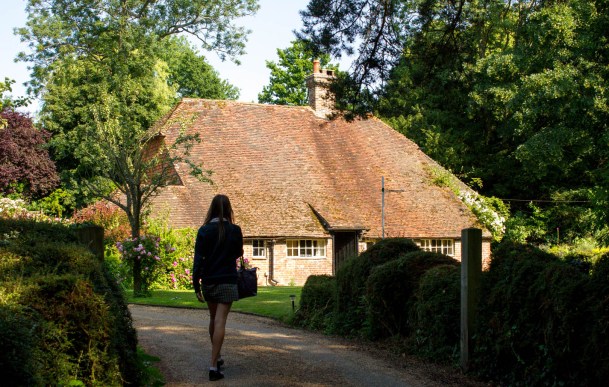

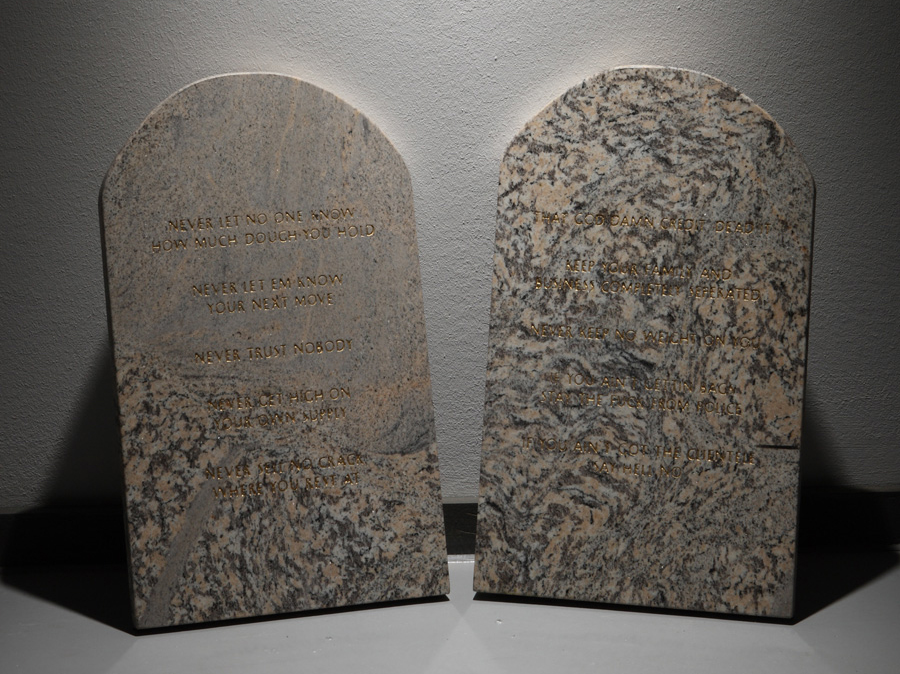


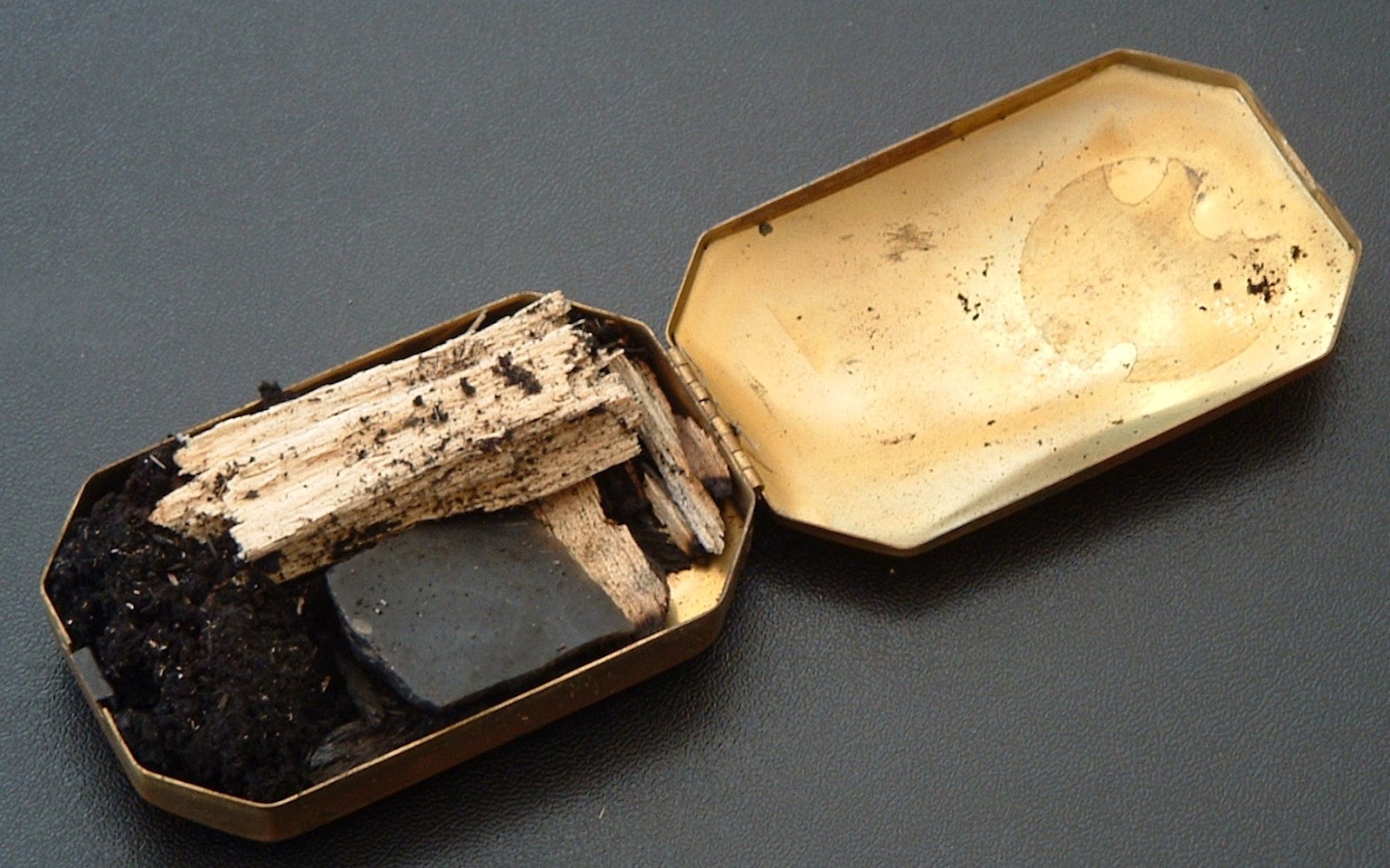


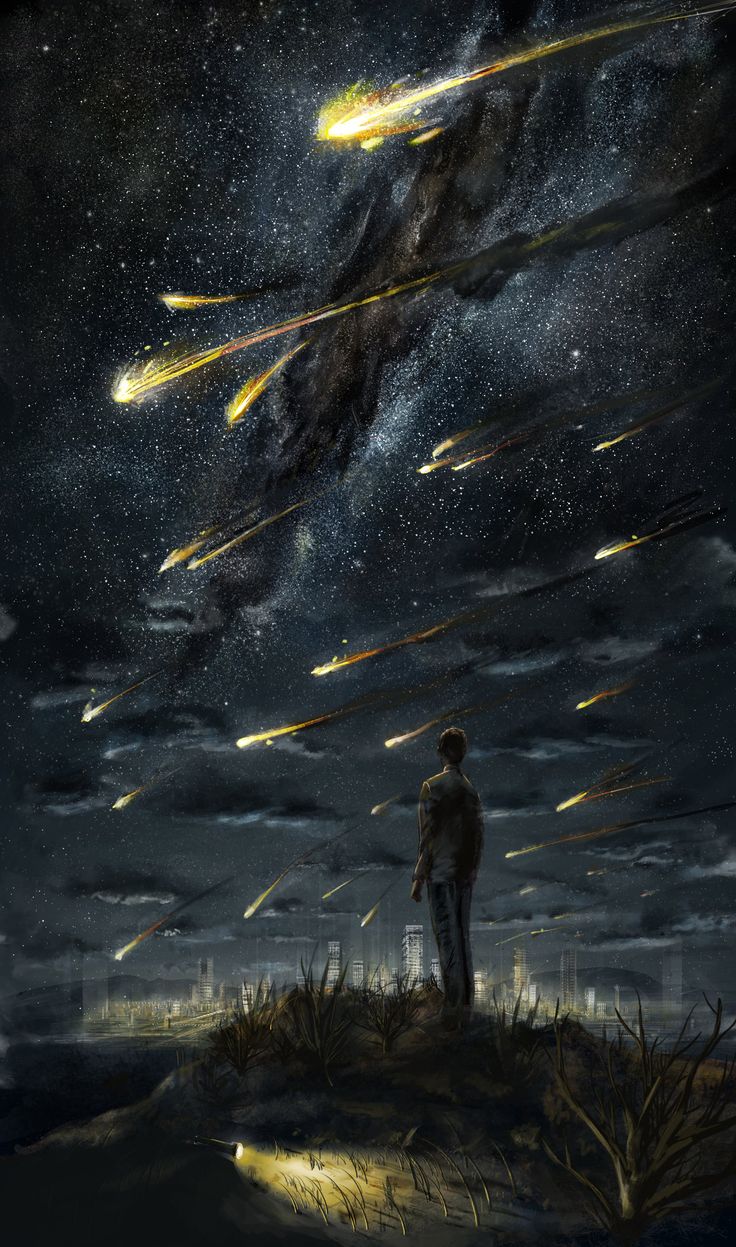

 MADD FICTIONAL