All The World Will Be Your Enemy 2: Coffee And Conversation

The words refused to come. Beverly sat before the glaring beacon of a blank document on her laptop screen. The cursor blinked back at her, a rhythmic pulse that seemed to mock her. Each flash was a reminder of every untapped idea that refused to spill onto the page. The novel she had been nurturing for months now seemed to wither in the drought of inspiration.

With a sigh heavy with unspoken stories, she closed her laptop, her fingers brushing over the smooth surface like a farewell. Her gaze wandered to the soft morning light filtering through the sheer curtains of her living room, and her heart whispered for a change of scenery—a breath of life outside the confines of her condo, a place where words might find her again.

The Coffee Nook beckoned just a block away from Willow Creek, a sanctuary of warmth and nostalgia. She had fallen in love with its vintage charm: the mismatched armchairs that bore the imprints of countless visitors, the wooden tables scarred with the histories of conversations long past, and the intoxicating aroma of freshly roasted coffee beans that lingered like an old, familiar friend. It was her refuge, her muse.

Stepping inside, Beverly was greeted by the soft hum of activity—the hiss of the espresso machine, the muted chatter of patrons, and the occasional clink of ceramic mugs meeting saucers. The air was thick with the scents of cinnamon, cocoa, and the faint musk of aged wood. She smiled at the barista, a lanky young man with a friendly grin, as she queued for her usual: a cappuccino with an extra dusting of cocoa and a warm blueberry scone that promised comfort in every bite.

As she waited, a flicker of familiarity caught her eye. Her new neighbors, Angele and Joanna, sat in a cozy corner, their heads bent together in what appeared to be an intense yet animated conversation. Their presence added an unexpected note to the symphony of her morning—a curiosity she couldn’t quite place.

Angele’s golden hair shimmered in the muted sunlight streaming through the window, her laughter a soft, bell-like sound that floated above the ambient noise. Joanna, with her cropped dark hair and expressive emerald eyes, leaned closer to whisper something that made them both smile conspiratorially.

It was Angele who noticed Beverly first. Her face brightened with recognition, and she lifted a hand in a graceful wave. “Hey there, neighbor!” she called out, her voice carrying easily across the space.

Caught off guard but pleasantly so, Beverly returned the wave, her cheeks warming. With her cappuccino in one hand and her scone balanced precariously on a saucer in the other, she approached their table.

“Mind if I join you?” Beverly asked, her voice tentative but hopeful.

“Of course not!” Angele’s smile widened, and she gestured to an empty chair. Joanna nodded in agreement, her smile a touch more reserved but no less welcoming.

Settling into the chair, Beverly found herself enveloped by their warmth. The scent of Angele’s floral perfume mingled with Joanna’s faint trace of citrus, a sensory marker of their vibrant yet distinct personalities.

“We keep running into each other, don’t we?” Joanna said, her tone light with a hint of amusement.

“Seems like fate,” Beverly replied, smiling as she stirred her cappuccino.

Conversation flowed as effortlessly as the coffee in their cups. Beverly learned that her neighbors had only just begun unpacking the chaos of their move. Angele joked about the “monumental task” of organizing their shared library, while Joanna teased her about hoarding travel guides from places they might never visit again.

When the spotlight shifted to Beverly, she hesitated, then confessed her struggles with writer’s block. “The Coffee Nook has always been my go-to spot when I need to shake things loose,” she said, her fingers tracing absent patterns on the rim of her cup.

“A writer!” Angele’s eyes lit up. “What kind of stories do you write?”

“Mostly fiction,” Beverly replied. “I like to explore the small, quiet moments in life and how they connect to bigger truths. Lately, though, the words just… aren’t coming.”

“Maybe you’re waiting for the right spark,” Joanna said, her gaze steady and thoughtful. “Sometimes inspiration finds you in the most unexpected places.”

Beverly nodded, taking in the quiet wisdom of Joanna’s words.

The conversation meandered into their travels. Angele spoke with sweeping gestures of places Beverly could only dream of—deserts under endless skies, ancient cities whispering secrets through cobblestones, and forests alive with colors that defied the imagination. Joanna, in contrast, offered fewer details, her stories hinted at rather than told, as though guarding something too precious or too perilous to reveal.

“Maybe you’ll write about us one day,” Angele said, her smile playful yet strangely pointed.

“Maybe,” Beverly replied, feeling the tug of intrigue once more.

As the morning stretched on, Beverly found herself drawn deeper into the orbit of her new neighbors. Angele’s openhearted charm and Joanna’s quiet intensity were magnetic, and their stories—half-told and half-hidden—seemed to promise not just friendship but a world of inspiration waiting to unfold.

By the time they parted ways, Beverly’s heart was lighter, her mind alight with possibilities. In the warmth of The Coffee Nook, amid conversations laced with the ordinary and extraordinary, she felt the first stirrings of a spark. Perhaps Angele and Joanna were the key to unlocking not just the next chapter of her novel but something far greater—a story that hadn’t yet revealed itself.

Not. The. End.

Ghost Biker (Non-Bizarro Fiction Version)

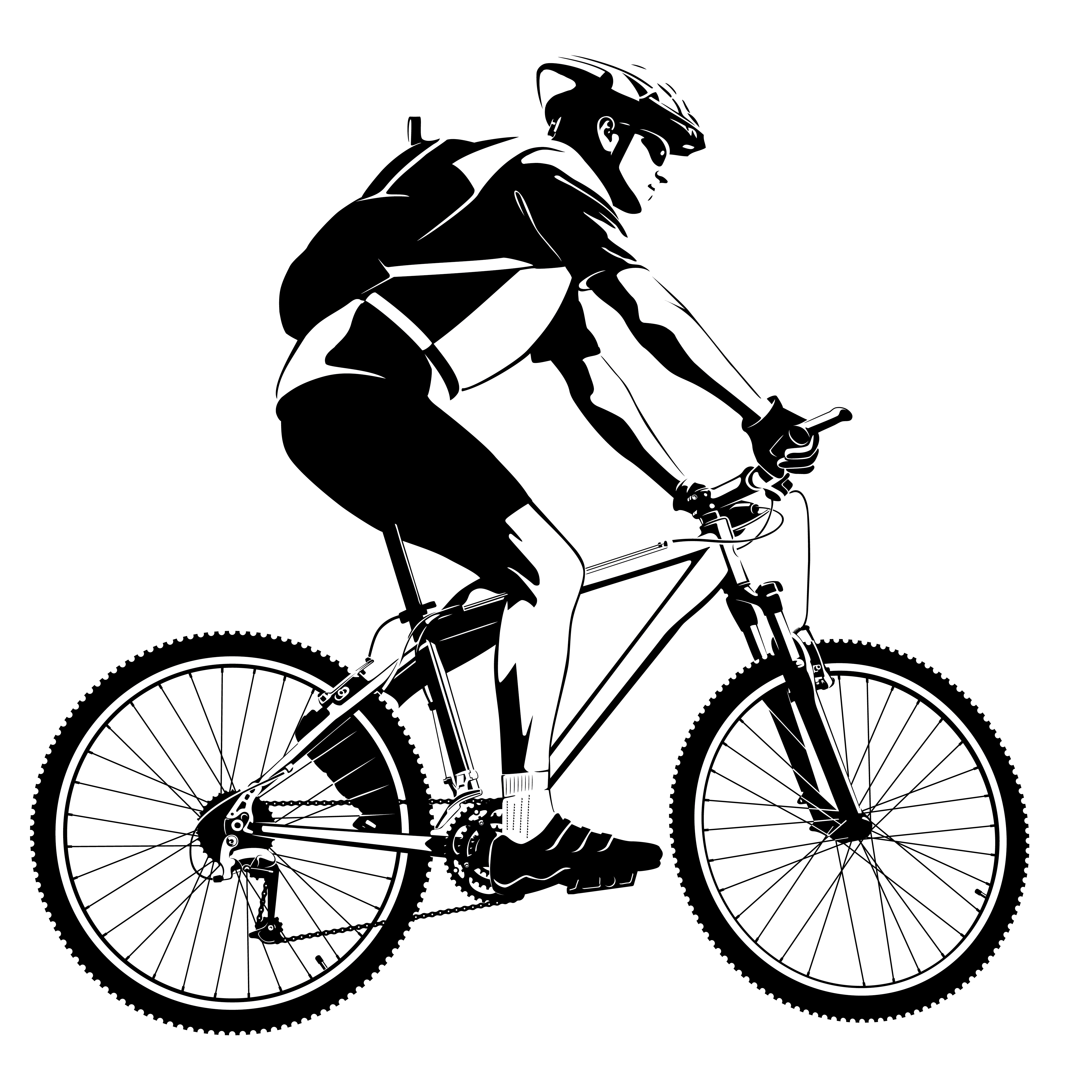
silhouette-of-cyclist

The first time Samantha Lancaster saw the Ghost Biker, she was on her way home from Sarah Kawazu’s funeral.

The streets felt heavier that night, the air soaked with rain and regret. Her best friend, gone—crushed by a delivery truck on a road the city promised to make safer years ago. Samantha couldn’t stop replaying Sarah’s last message: “There’s something you need to see. Meet me tomorrow. It’s important.”

She never made it.

Now, cycling through the same streets that had stolen her friend, Samantha noticed how dark the bike lanes were, how jagged the pavement felt beneath her tires. At the corner of 11th and Pine—the crash site—she stopped. Her breath came in sharp bursts, the sting of loss catching in her throat.

That’s when she saw it.

A white bicycle. Ghostly pale, luminous under the hazy streetlights. It moved silently through the rain, slicing between shadows like a blade. Samantha froze. There was no rider. Or maybe there was—a figure blurred by the downpour, indistinct, almost spectral.

She blinked, and it was gone.


The next morning, Samantha’s editor tossed a stack of papers onto her desk. “Cycling deaths are spiking. Think you can spin it into something that sells?”

Her hands trembled as she flipped through the reports—accidents, injuries, fatalities. A dozen faces stared back at her from grainy photos, lives snuffed out in the blink of an eye. And all of them, according to witnesses, had seen the same thing: a white bicycle.

The Ghost Biker.

Whispers of the figure had been circulating for years—an urban legend, a warning to cyclists and drivers alike. But Samantha wasn’t chasing a ghost. She was chasing answers.

And Sarah’s death had made it personal.


Samantha’s investigation led her to the underbelly of the city’s cycling community—a tight-knit, scrappy network of messengers, advocates, and late-night riders who saw the Ghost Biker as both savior and curse.

“He’s a vigilante,” one cyclist told her, his voice tinged with reverence. “Keeps people on edge. Makes them careful.”

“He’s a murderer,” another countered, showing her the scars on his leg. “Chased me into oncoming traffic. I barely got out alive.”

The deeper Samantha dug, the more contradictions she found. The Ghost Biker didn’t fit neatly into any box—hero or villain, real or supernatural. But one name kept surfacing: Alex Stone.

A cycling advocate, Stone had died five years ago in a horrific crash. The city had blamed him for running a red light. His friends claimed otherwise: a faulty intersection design, ignored safety warnings, blood on the city’s hands. His death had sparked protests and reforms.

Reforms that never came.


One night, Samantha followed the rumors to an abandoned warehouse on the outskirts of town, where she found a makeshift memorial: a white bicycle mounted on a pedestal, surrounded by candles and photos of fallen cyclists.

“It’s not him, you know.”

The voice startled her. She turned to see an older man leaning against the wall, his face weathered, his eyes sharp. “Alex,” he continued. “The Ghost Biker. It’s not him. People just want to believe it is.”

“Who is it, then?”

The man shrugged. “Maybe it’s no one. Maybe it’s everyone.”

Samantha frowned. “That’s not an answer.”

“It’s the only one that matters.” He gestured to the memorial. “You think this city cares about us? About them? They’ll let us die until someone forces them to pay attention. That’s what the Ghost Biker is—attention.”

“By scaring people? By causing crashes?”

The man’s expression hardened. “By making them see the blood on their hands.”


The final confrontation came on a foggy stretch of road just before dawn. Samantha, camera strapped to her chest, pedaled furiously after the Ghost Biker, who weaved through traffic with an ease that defied logic.

She pushed harder, her lungs burning, until the fog swallowed them both. When it cleared, the white bicycle was waiting at the end of the road, its rider dismounting slowly.

“You’re chasing the wrong story,” the figure said, removing their helmet to reveal a woman—grizzled, defiant, her face lined with grief and fury.

“Who are you?” Samantha demanded.

“A warning.”

The woman stepped closer, her voice low and venomous. “Every crash you write about, every life lost, it’s because this city let us down. I ride because someone has to remind them. You want the truth? Write that. But don’t call me a killer.”

Samantha’s hands shook as she aimed her camera, capturing the woman’s face, the battered white bicycle, the bloodstained pavement beneath their feet.


The article broke the city open.

“Ghost Biker Unmasked: The Fight for Safer Streets” became a rallying cry. Protests erupted, cyclists taking to the streets in droves, demanding accountability.

But the Ghost Biker vanished.

Samantha couldn’t decide if she felt relief or regret. She kept cycling, though—through rain and fog, past memorials and freshly painted bike lanes. And sometimes, in the quiet hours of the night, she thought she saw a pale figure in the distance.

Watching.

Waiting.

Because the fight wasn’t over.

Author’s Note: This story is a reimagining of an earlier version (found here: https://maddfictional.com/2024/09/16/ghost-biker/). While the first version experimented with absurdist and surreal elements, this new telling takes a more traditional approach. Though I deeply appreciate bizarro fiction as a genre, I felt I could better serve this particular piece through conventional storytelling techniques.

The Final Flicker: Gigi’s Cinematic Farewell

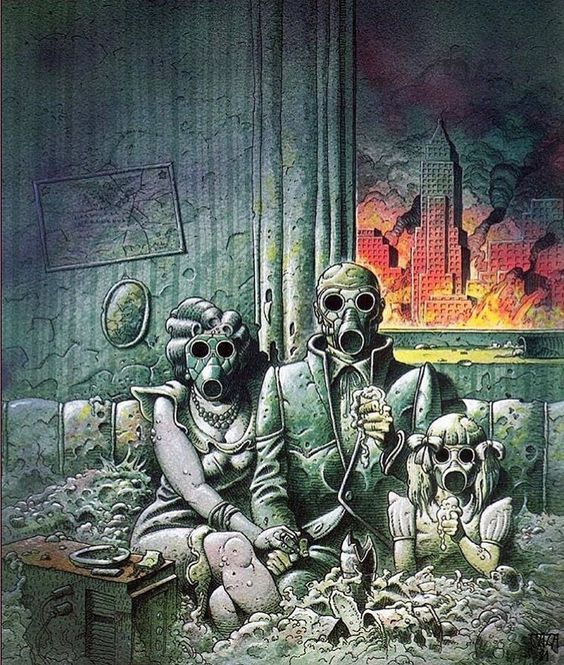
Armageddon arrived on a Tuesday, as if the universe itself adhered to a grim schedule. An asteroid the size of a city struck Earth with unrelenting fury, shattering continents and unleashing a shockwave that raced ahead of the firestorms. By noon, the sky was a cauldron of ash and flame. By dusk, the world had surrendered to chaos.

In a small suburban house on Ashworth Lane, the Glomb family made their decision. While neighbors screamed and scattered, clutching at frantic escape plans, the Glombs stayed. They barricaded themselves in their living room, a fortress of ordinary comforts in a world turned unrecognizable.

It was Gigi’s idea to watch a movie. At eleven years old, she had spent half her life curled up on this couch, staring at this screen, spinning dreams from flickering images. Tonight, she wanted one last dream.

“Pick something happy,” her father murmured, his voice shaking just enough to betray him. He fiddled with the remote, hands clumsy with adrenaline.

Gigi’s small fingers brushed his. “This one,” she said, holding up the Blu-ray case. The edges were frayed from love, the cover smeared with fingerprints. Her favorite.

Her mother glanced at it, lips pressing into a thin line, then nodded. “Perfect choice, sweetheart.”

Outside, the dying sun burned crimson through the curtains, bathing the room in an otherworldly glow. The air smelled faintly of smoke, though the flames hadn’t reached their street yet. The distant thunder of collapsing buildings was a steady drumbeat, a reminder that time was running out.

The movie began, its cheerful theme song cutting through the heavy silence. Gigi curled between her parents, her head resting against her mother’s shoulder, her legs draped over her father’s lap. She giggled at the opening scene—a goofy character tripping over his own feet. Her laughter was bright, incongruous, and achingly precious.

Her father glanced down at her, his jaw tightening. “She doesn’t understand, does she?”

“She understands enough,” her mother whispered, stroking Gigi’s hair. “But she still believes in happy endings.”

He nodded, his throat working as he swallowed hard. The movie’s colorful animation reflected in his glasses, a stark contrast to the destruction creeping ever closer. He wanted to believe in happy endings too, for her sake.

An explosion rocked the street. The windows trembled, and the family froze. Gigi’s fingers tightened on her mother’s arm, but she didn’t cry out. Her parents exchanged a glance—fear darting between them like an electric current—but neither moved.

“It’s okay, Gigi,” her mother said softly. “We’re safe here.”

The lie hung in the air, fragile but necessary. Gigi settled back against her, trusting, her gaze fixed on the screen.

Her father ran a hand over his face, then leaned toward his wife. “Maybe we should’ve—”

“Don’t,” she interrupted, her voice firm. “We made the right choice. Together.”

He hesitated, then nodded. His hand found hers, their fingers intertwining. They sat in silence, watching their daughter laugh again as the movie’s hero triumphed over absurd odds.

As the film neared its climax, the heat became oppressive. Sweat beaded on their foreheads. The faint scent of smoke had grown acrid. The red glow outside the windows pulsed like a heartbeat, steady and inescapable.

“Mom?” Gigi asked, her voice soft. “Do you think... we’ll see Grandma and Grandpa? You know... after?”

Her mother’s throat constricted, but she forced a smile. “I think so, sweetheart.”

“Good.” Gigi smiled back, her face serene, her innocence unshaken. “I miss them.”

Her father leaned down, pressing a kiss to the crown of her head. “They’ll be so happy to see you.”

The final scene of the movie played out, a burst of music and color that seemed to defy the destruction outside. Gigi clapped her hands, her eyes shining with joy. “That’s my favorite part,” she whispered.

The power flickered. The TV screen dimmed and sputtered, then went black. The room plunged into silence, save for the distant roar of flames.

Gigi frowned. “Did the power go out?”

Her mother pulled her closer, burying her face in Gigi’s hair. “It’s okay, baby. Just close your eyes.”

Her father wrapped his arms around them both, his voice cracking as he murmured, “We’re right here, Gigi. We’ll always be right here.”

The flames reached the house, their heat searing, their roar deafening. But inside the cocoon of their embrace, the Glomb family clung to each other. Together, they faced the end, wrapped in love and the memory of a movie that made them forget, for a little while, that the world was dying.

As the fire consumed them, their silhouettes lingered in the flames, a fleeting echo of humanity’s light against the void.

The Price of Admission: A Soul Laid Bare

Melissa stood at the gates of eternity, the threshold where mortal ambition dared to collide with divine reckoning. Her pulse raced, each beat hammering against the fragile cage of her deceit. The price for admission to paradise was steep, and she had wagered all she had: half-truths, polished lies, and a confidence that bordered on reckless bravado.

Before her stood the celestial gatekeeper—a figure neither stern nor cruel, but impossibly serene, as if carved from the essence of judgment itself. His eyes, shimmering pools of light, seemed to pierce straight through Melissa’s carefully woven façade.

Her forged credentials, the fruit of painstaking manipulation, trembled in her outstretched hand. Crafted with the precision of a master con artist, the document was her ticket to eternity, a masterpiece of counterfeit faith. But as the gatekeeper regarded her, his gaze unraveled her lies like loose threads from an unraveling tapestry.

“You stand at the threshold of eternity,” he said, his voice soft but resonant, “cloaked in deception.”

Before Melissa could respond, a flick of the gatekeeper’s wrist sent a ripple through the air. Her garments dissolved into mist, exposing her body to the divine light that seemed to radiate from everywhere and nowhere.

Naked but unashamed, Melissa squared her shoulders. Years of devotion to vanity had crafted her into a vision of flawlessness. Her skin was smooth, her form statuesque. Even now, as she stood under the scrutinizing gaze of the divine, she allowed herself a fleeting moment of pride.

But the gatekeeper was not here to admire.

A quill, seemingly plucked from the wing of an angel, appeared in the gatekeeper’s hand. Its tip gleamed, not with ink but with liquid light. Before Melissa could question its purpose, the quill hovered above her bare skin and began its work.

It moved with a surgeon’s precision, tracing intricate patterns across her body. At first, the lines shimmered silver, their beauty mesmerizing, as though an artist had chosen her as the ultimate canvas. But as the designs settled, the silver began to darken, turning into a bruised, mottled purple.

Melissa gasped as the symbols revealed their meaning. These were no mere decorations—they were her sins, etched into her very flesh. Every omission, every manipulation, every betrayal was accounted for in the winding script that now marred her body.

“What is this?” she whispered, her voice trembling.

“These,” the gatekeeper replied, his tone unyielding but devoid of malice, “are the truths you tried to hide. A lifetime of sins, written so none may deny them—least of all you.”

The symbols coiled around her, wrapping her body in an inescapable narrative. From her feet to her neck, her skin became a map of shame. Her left arm bore the jagged symbols of lies told to loved ones; her right, the looping glyphs of promises broken. Across her chest sprawled the dark stain of greed, and around her throat twisted the spirals of betrayal, tightening like a noose.

Melissa clawed at her skin, desperate to erase the evidence. But the marks were no longer just surface—they had become a part of her, embedded in her essence.

“This isn’t fair,” she hissed, her voice rising in defiance. “You don’t understand what I’ve been through. What I had to do!”

The gatekeeper’s gaze did not waver. “Fairness has never been the measure of truth. Your actions, your choices, are written here. They are yours to bear.”

Melissa’s defiance faltered as the weight of his words sank in. The tattoos were not a punishment from the gatekeeper; they were her own creation, the inescapable ledger of her life.

“You may enter,” the gatekeeper said, stepping aside. “The gates will not deny you. But understand this: you are marked. Wherever you go, others will see what you are. And you, Melissa, will never escape the knowledge of what you have done.”

Tears stung her eyes, but she refused to let them fall. She squared her shoulders and stepped through the gates, her bare feet crossing the threshold into the divine realm.

The landscape that greeted her was breathtaking—a world of light and endless beauty. Yet as Melissa took her first steps into eternity, she felt no joy. The others, luminous beings who walked in the light, turned their heads to look at her. Their gazes lingered on the bruised glyphs that coiled across her body, their expressions a mix of pity and quiet judgment.

Her steps faltered, and for the first time, she felt the full weight of her sins pressing down on her, heavier than the lies that had carried her this far. The promised land stretched before her, but she realized now that it was no sanctuary. It was a mirror, reflecting every stain on her soul.

Melissa’s hands clenched into fists as she moved forward, each step a reminder that paradise was not an escape but a reckoning. The beauty of the world around her only deepened the ugliness she carried within, her sins a shadow she could never outrun.

And as she wandered the divine realm, the symbols on her skin whispered their story to all who looked upon her: the wages of sin, paid in full, but never forgotten.

A Heist of Hearts

Crispin Blackthorne, a mastermind at pulling off complex capers and the architect of audacity, had stolen everything imaginable: priceless art, corporate secrets, and even a crown off a king’s very head. But none of it compared to the one thing he couldn’t steal back—the heart of one Miss Fern Wilder. She had left him months ago, walking out of his life with no more than a quiet “Goodbye,” and Crispin, who had the uncanny knack of spotting a set up or double cross at a thousand paces, hadn’t seen it coming.

Act 1: The Gathering

Crispin took his place at the head of the long, battered table in the back room of The Olivia Twist, a run-down dive bar owned and operated by Libby Twistell—the only ex whose good graces he had somehow managed to stay in. 

The room smelled faintly of spilled bourbon and desperation—a fitting setting for his latest scheme. His crew sat around him, leaning back in their mismatched chairs, arms crossed or drinks in hand. They were his trusted accomplices, his tools of precision in countless capers. But tonight, they were also his greatest hurdle.

“Thank you all for coming on such short notice,” Crispin began, his voice smooth as silk. His smile was effortless, confident—the smile of a man who always had the upper hand.

Eddie the Nose snorted, running a hand over his balding head. “You said this was a job, Crispin. I dipped out of a high stakes poker game for this.”

“It is a job,” Crispin said, raising his hands in mock appeasement. “Perhaps the most important one we’ve ever undertaken.”

“More important than the Louvre Lift?” Mira Ball drawled, her painted lips curling into a smirk. “Because unless we’re stealing a spaceship, I have my doubts.”

Crispin turned to her with a conspiratorial grin. “Mira, this one’s more ambitious than all the rest combined. We’re not stealing something mundane like gold bullion or jewels or state secrets.”

He reached into his coat pocket, drawing out a folded blueprint and snapping it open on the table. “We’re stealing the Wilder Heart.”

The silence that followed was so absolute, the hum of the flickering neon light above sounded deafening. The crew exchanged glances. Finally, JunoScript, the perpetually unimpressed tech genius, leaned forward, squinting at the blueprints.

“Uh… I’m not seeing any vaults here, boss,” she said dryly. “No guards, no laser grids. Did you mix up your schematics?”

Crispin chuckled, unruffled. “This isn’t about breaking into a vault. It’s about breaking through emotional barriers. We’re going to steal back the heart of the woman I love.”

Eddie burst out laughing, slapping the table. “You’re kidding me. You’ve dragged us out here to play matchmaker? Come on, Crispin. We’re thieves, not therapists.”

Hold up a minute,” Mira’s smirk vanished. She leaned forward, her voice cutting. “You’re not talking about She Whose Name Must Not Be Spoke, are you? The one who left you high and dry six months ago?”

“She didn’t leave me high and dry,” Crispin corrected, though a faint flush crept up his neck. “She… departed. Stealthily.”

“Left you shook,” Mira added. “With us having to pick up the pieces of your shattered dignity.”

“An over exaggeration,” Crispin said breezily, though his eyes narrowed just slightly. “What matters now is that we’re going to bring her back.”

Juno raised an eyebrow. “You sure she wants to come back?”

Crispin shot her a look. “She just needs to remember what we had. What we still have. That’s where you all come in.”

Eddie groaned, throwing up his hands. “Boss, this is madness. We don’t do this kind of thing. Love isn’t something you can just—what? Steal? Con?”

“Why not?” Crispin countered, his voice sharp now. “You’ve conned your way into private estates, Mira’s stolen identities so good the real people still believe them, and Juno? You’ve hacked more hearts than anyone here would care to admit.”

“That’s different,” Juno said flatly. “I don’t think you can brute force romance.”

Mira leaned back in her chair, arms crossed. “This isn’t a heist, Crispin. This is a vanity project. You’re asking us to risk our necks for your broken heart?”

Crispin’s smile remained fixed, but there was a glint in his eye now—a dangerous edge. He paced around the table, his presence magnetic, pulling their attention to him like moths to a flame.

“This isn’t just about me,” he said, his voice lowering to a conspiratorial whisper. “Think about it: if we can pull this off, if we can prove that even love can be won through sheer brilliance, what does that say about us? About what we’re capable of?”

He stopped behind Mira, resting a hand lightly on her chair. “You, Mira. Imagine the costumes you’ll create for this. The characters you’ll bring to life. They’ll talk about your work for years.”

He moved to Eddie next, clapping a hand on his shoulder. “Eddie, you’ve tracked everyone from mob bosses to missing heirs. Finding where Fern’s hiding out? Child’s play for you.”

Juno sighed, rolling her eyes. “And me?”

“Ah, Juno.” Crispin leaned over her chair, his grin widening. “You’ll be the puppet master behind the scenes. If anyone can choreograph the digital dance of destiny, it’s you.”

Finally, he straightened, his gaze sweeping over the room. “And Sasha? My dear wordsmith? I’ll need the perfect lines to convince her that I’m still the man she fell in love with.”

SashaSpeare, who had been silent until now, tilted her head. “You’re banking a lot on words, Crispin. But if you need poetry, you’ll pay in cash.”

Crispin laughed. “I never touched a dime of my take from the Louvre Lift. It’s yours, split evenly.”

Eddie frowned, still unconvinced. “And what if this goes sideways? What if she slams the door in your face?”

Crispin’s smile dimmed, just for a moment. “You’ll still get paid, and I’ll make sure she never knows you were involved. You vanish like shadows, and she’ll be none the wiser.”

The room fell silent again. This time, though, the hesitation was tinged with intrigue. Crispin knew he had them—not because they believed in the plan, but because they couldn’t resist the challenge. He’d played them like a fiddle, weaving doubt, flattery, and ambition into a symphony of manipulation.

“All right,” Mira said finally, sighing. “I’ll play dress-up. But when this explodes in your face, don’t come crying to me.”

Juno shrugged. “I’ll set up the tech. But don’t say I didn’t warn you.”

Eddie grumbled something under his breath but nodded. “Fine. Let’s get this over with.”

Crispin’s smile returned in full force. “That’s the spirit. Now, let’s plan the greatest heist of our lives.”

As they leaned in to examine the blueprints, Crispin allowed himself a small, private smile. The crew might not see it yet, but they were all part of his masterpiece—a grand tapestry of love, deception, and redemption. And like any great artist, Crispin intended to leave his mark.

Act 2: The Set Up

The room was abuzz with nervous energy. Crispin leaned over the table, his fingers splayed across a map of the city. He tapped a spot circled in red—a forgotten warehouse at the edge of town, its windows boarded and its floorplan perfect for his purposes. Around him, the crew exchanged skeptical glances, their faith in the plan wavering.

“So,” Crispin said, his eyes glinting with mischief, “this is how we win her back.”

Mira crossed her arms, her dark eyeliner smudged from hours of prep work. “You mean this is how you win her back. The rest of us are just… collateral damage?”

“Collateral benefit,” Crispin corrected, flashing her his trademark grin. “Think of it as an investment. When this works, and I’m back in Fern’s good graces, our crew will be stronger than ever. She’ll remember why she fell for me—and why she trusted all of us.”

Juno snorted, leaning back in her chair. The glow of her laptop cast a faint green light across her face. “Bold assumption. What if she remembers why she left in the first place? Last I checked, people don’t usually swoon over being lured to creepy warehouses by fake kidnappers.”

“Details,” Crispin said with a dismissive wave. “It’s all about the execution. And nobody executes like we do.”

Eddie the Nose, forever the pessimist, jabbed a finger at the map. “This? This is your big plan? Smoke bombs and stage props? We’re not magicians, Crispin. And Fern Wilder’s no damsel waiting to be swept off her feet. She’ll see through this in five seconds flat.”

“She won’t,” Crispin said firmly. “Because she wants to believe in something bigger—she always has. That’s what drew her to me in the first place. The audacity, the spectacle. This isn’t just a heist. It’s a performance.”

“Or a suicide mission,” Mira muttered. “Either way, sounds fun.”

Crispin straightened, his grin fading as he looked each of them in the eye. “I’m not asking for your blind faith. I’m asking for your trust. You’ve seen what we can pull off together. This will work because it has to work. And because I’m Crispin Blackthorne.” His voice softened, his usual bravado giving way to something almost vulnerable. “This isn’t just a job. It’s personal.”

The room fell quiet. Even Mira, who lived to needle him, seemed caught off guard by the uncharacteristic sincerity in his tone.

“Fine,” Juno said at last, breaking the silence. “I’ll hack the warehouse cameras. But if this goes sideways, I’m out. Forever.”

Crispin gave her a mock salute. “Noted.”

One by one, the others grudgingly nodded their agreement. Even Eddie, though his scowl made it clear he thought this was a terrible idea, grunted his assent.

“Excellent!” Crispin clapped his hands together, the swagger returning to his voice. “Let’s get to work.”

Act 3: The Execution

On the night of the heist, the warehouse was shrouded in fog, the air thick with anticipation. Mira and Eddie arrived early to set the stage, arranging props and positioning smoke machines for maximum effect. Crispin stood at the edge of the scene, adjusting his coat and watching as the pieces fell into place.

“Are you sure about this?” Mira asked, checking the fake blood squibs strapped to her chest. “I mean, like really sure?”

“Have I ever let you down?” Crispin replied.

Mira arched a brow. “Do you want that list alphabetically or chronologically?”

Crispin smirked. “Just stick to the script. She’ll be here any minute.”

In a dark corner of the warehouse, Juno crouched over her laptop, monitoring the area’s security feeds. “Cameras are looped,” she said into her headset. “If she checks later, all she’ll see is an empty building.”

“Good,” Crispin replied. “And Eddie?”

“Ready and waiting,” came the gruff response from the shadows. Eddie’s voice carried a mix of irritation and grudging loyalty. “Just say the word.”

The sound of footsteps echoed from outside. Crispin’s heart leapt as he saw her silhouette through the broken glass of the warehouse door. Fern Wilder, as sharp and poised as ever, stepped inside, her movements cautious but confident. She wore a leather jacket that hugged her frame, her dark curls pulled back into a loose ponytail. Her eyes scanned the room, sharp and calculating.

“Fern,” Crispin whispered to himself, a mixture of longing and nerves twisting in his chest.

Juno’s voice crackled in his ear. “Target’s in the building.”

Crispin took a deep breath. Showtime.

The warehouse erupted into chaos.

Smoke billowed from hidden machines, filling the room with an eerie haze. Eddie and Mira, masked and armed with fake weapons, burst from the shadows, their voices booming.

“Hands in the air! Now!”

Fern didn’t scream. She didn’t even flinch. Instead, she tilted her head, her expression calm but wary. “Really? This is how we’re doing this?”

Crispin stepped forward, his coat billowing dramatically in the swirling smoke. “Fern! Don’t worry—I’ll handle this.”

He disarmed Eddie with a well-practiced flourish, then turned to Mira. She raised her prop gun, her movements deliberately exaggerated to sell the act. Crispin lunged, twisting the weapon from her grasp and tossing it aside.

“Go!” he shouted at Fern, his voice dripping with manufactured urgency. “I’ll hold them off!”

But Fern didn’t run. Instead, she bent down, picked up Mira’s fake gun, and inspected it with an amused smirk.

“This is plastic,” she said, her tone deadpan.

Crispin froze, his confident facade cracking. “Uh…”

Fern turned the gun over in her hands, then looked at him. “Did you really think I wouldn’t recognize your handiwork? You’re still as theatrical as ever, Crispin.”

From the shadows, Juno muttered into her headset, “Called it.”

Act 4: The Reveal

Smoke hung in the air, curling around the battered props and discarded fake weapons. Mira lay sprawled on the ground, nursing her pride more than her bruises. Eddie sat slumped against a pillar, one hand clutching his ribs, muttering curses under his breath. Even Juno, typically unflappable, peeked cautiously from behind her makeshift command center, her laptop glowing faintly in the dim light.

But all eyes were on Fern.

She stood in the center of the room, the fake gun still in her hand. Her sharp eyes flicked from one crew member to the next before settling on Crispin. He was frozen a few feet away, his confident swagger replaced by a stunned, almost sheepish expression.

“You didn’t think I’d recognize one of your stunts?” Fern asked, her voice cutting through the haze like a blade. She tossed the gun onto the ground with a clatter.

Crispin opened his mouth to respond, but no sound came out. For the first time in what felt like years, he was genuinely at a loss for words.

Fern tilted her head, her gaze narrowing. “Let me guess: you thought you could stage some grand, romantic rescue? Remind me of how charming and clever you are? Sweep me off my feet and straight back into your arms?”

“Well…” Crispin began, his trademark grin creeping back onto his face, “when you put it that way, it does sound rather brilliant, doesn’t it?”

Fern rolled her eyes. “Brilliant? This was sloppy, even by your standards. A warehouse with obvious staging? A bunch of mismatched ‘kidnappers’ who couldn’t intimidate a squirrel? And you,” she added, pointing at Eddie, “you couldn’t even keep your mask on straight.”

Eddie muttered something inaudible and adjusted the crooked ski mask still hanging around his neck.

Crispin spread his arms, as though presenting an elaborate gift. “You’re right—it wasn’t perfect. But it was bold. Audacious. Memorable.”

“Memorably stupid,” Fern shot back. “Did it ever occur to you that this might backfire? That I might walk out of here angrier than I was before?”

“Of course it occurred to me,” Crispin admitted, stepping closer. “But I had to try. You were always worth the risk, Fern.”

Her expression softened for a fraction of a second before hardening again. “Worth the risk? Or worth the gamble? Because that’s what this feels like, Crispin. Another one of your games. And I’m tired of being the prize.”

Act 5: The Confrontation

Fern’s words hung in the air, heavier than the smoke. The crew, sensing this was no longer their fight, began to slink away. Mira helped Eddie to his feet, and Juno tucked her laptop under her arm.

“Crispin,” Mira muttered as she passed him, “you’re on your own for this one.”

“I’ll call you if I survive,” he replied, his eyes never leaving Fern.

The sound of the crew’s retreating footsteps faded, leaving the two of them alone in the cavernous warehouse.

Fern crossed her arms and stared him down. “Well? What’s your next move, genius? Or did your master plan end with me seeing through your nonsense in under a minute?”

Crispin hesitated. This was the part he hadn’t planned for—the part where he had to be honest. Vulnerable.

“No next move,” he said quietly. “No backup plan. Just… me, standing here, telling you I screwed up.”

Fern blinked, surprised by his sudden candor.

“I don’t just mean tonight,” Crispin continued, his voice steady but uncharacteristically subdued. “I mean us. I screwed up us, Fern. I spent so much time playing the role of Crispin Blackthorne—mastermind, charmer, thief—that I forgot how to just be me. And when you left… I didn’t know how to fix it. So, I did what I always do. I tried to stage a comeback.”

She didn’t respond, her face unreadable.

“I know I’ve hurt you,” Crispin said, taking a cautious step closer. “And I know I don’t deserve another chance. But I couldn’t let you disappear without trying. Without showing you that I’m willing to fight for us, even if I have to do it the only way I know how.”

Fern studied him, her sharp eyes searching his face for signs of deception. For once, she found none.

“You really believe you can fix this with one big gesture?” she asked, her voice quieter now.

Crispin shook his head. “No. But I hoped it might be a start.”

Act 6: A Glimmer of Hope

Fern sighed and ran a hand through her hair. For a moment, the only sound was the distant patter of rain on the warehouse roof.

“You’re an idiot, Crispin,” she said finally.

He smiled, a small, hopeful thing. “I’ve been called worse.”

“And reckless. And infuriating. And completely incapable of thinking things through.”

“All fair points,” he admitted.

“But,” she added, her voice softening, “you’re also persistent. And honest, when it matters.”

Crispin’s heart lifted. “Does that mean…?”

Fern held up a hand, cutting him off. “It means I’m not walking out of here for good. But don’t think this means I’m coming back, either. You’ve got a lot to prove, Crispin. And not just to me.”

“I’ll prove it,” he said quickly. “No more games. No more heists. Just… me, trying to be better.”

Fern gave him a long, measured look before finally nodding. “We’ll see.”

The Alchemy of Anger

The first sign of trouble is in her eyes. They harden, storm clouds gathering, and I know the thunder is coming. Her anger doesn’t roar; it simmers. Quiet. Controlled. It’s the kind that seeps through the cracks of silence, heating the air between us until it feels unbearable.

“What did you mean by that?” Her voice is low but sharp, a knife grazing the surface.

I pause, caught off-guard. My reply—half-hearted, careless—had been an attempt at humor. But now, in the reflection of her anger, it looks like cruelty.

“I didn’t mean it like that,” I say carefully, but her gaze sharpens. The explanation feels hollow even to me.

Her anger ignites. “You never mean it, do you?” she snaps, and the words pour out, each one like kindling tossed into the fire. “You don’t think. You don’t care how it makes me feel.”

The urge to fight back swells in me, hot and insistent. I could argue, could lay out all the times I’ve been careful, attentive. All the times I’ve held my tongue. The words press against my teeth, demanding release.

But I see the hurt behind her anger, the way it burns brightest not in her voice but in the quiver of her hands. I force myself to pause. To look.

“It’s not that I don’t care,” I say, softer now. “I just... didn’t think it would hurt you. I wasn’t trying to.”

Her expression falters, just slightly, but her anger holds. “That doesn’t make it better.”

No, it doesn’t. I know it doesn’t. Still, I want her to see me, not as the enemy but as someone trying—fumbling, failing, but trying. I take a slow breath, swallowing the instinct to defend myself.

“It was thoughtless,” I admit. “I’m sorry.”

The words hang in the air, a tentative bridge between us. For a moment, I think she won’t take it. That her anger will keep burning, too strong to douse. But then she exhales, long and shaky, like a storm rolling past. Her hands fall to her sides.

“You always say that,” she murmurs, but there’s no venom in her tone now. Just weariness.

Her anger has ebbed, but the tension still lingers. I step closer, careful not to push too far too fast. “I mean it,” I say. “I’ll try to do better.”

The space between us shrinks, and I reach for her hand. She doesn’t pull away, though her grip is hesitant, loose. “I know I mess up sometimes,” I say, “but I don’t want to hurt you. Ever.”

Her eyes meet mine, and something shifts—subtle, like a tide turning. The hurt is still there, but the anger has given way to something quieter. She squeezes my hand, just once, and it feels like permission.

I pull her gently into my arms, feeling the tension in her body slowly ease. My chin rests against her hair, and I whisper, “I love you.”

She doesn’t say it back right away, and that’s okay. The silence between us feels fragile but whole, like something delicate being mended. I hold her until the weight in the air lightens, until the warmth of her presence replaces the heat of her anger.

When she finally looks up, her expression is softer, her eyes clearer. “I’m tired,” she says.

“Me too.”

But we’re still here, together. And that’s enough for now.

Thirteen For Halloween: The Eternal Lullaby of Wilhelmina Soames

Every city has its ghosts, but few linger like Wilhelmina Soames. She haunted Main Street with her empty pram, its wheels squeaking on the cracked pavement, her presence as constant as the rising sun. The locals knew her by a hundred cruel names—The Mad Mother, The Lady in Rags—but her true title was whispered only by the bravest and the most foolish: The Collector.

“Nelda, Farley, Aubrey…” Wilhelmina’s voice rasped, a croak that slid down the city’s alleys like smoke. The names flowed from her lips in a ceaseless chant, each one spoken with the reverence of a mother calling her child home. Yet there were no children. Only the pram, and her eyes—wide and fever-bright—scanning the empty streets.

“Vance, Giselle, Wesley…” She called out to names long forgotten, her cracked lips curling into a smile that unsettled anyone who dared to listen too long.

The city had become numb to her presence, indifferent to the sight of her skeletal frame and wild hair, matted with dirt and debris. It was easier that way, to pretend she didn’t exist, to step over her as they did the other broken things the city swallowed whole. But those who whispered behind her back never lingered long near the places Wilhelmina wandered after dark.

Because Wilhelmina didn’t just push an empty pram. She collected.

At dusk, she ventured beyond the crowds, beyond the reach of streetlights, into forgotten corners of the city, the places where the shadows lingered thickest. Those who had been desperate enough to follow—whether out of morbid curiosity or cruel delight—never spoke about what they saw. Some said she rummaged through dumpsters, sifting through filth as if seeking something precious among the discarded refuse. Others claimed to hear her speaking softly to things unseen, her voice a strange lullaby meant to soothe the dead. But always, they said, she found something—someone. And when she did, she would cradle it in her arms, rocking it gently as if it weighed more than air.

Those few who dared to peer too long into her pram swore they caught a glimpse of something terrible. Tiny, disfigured shadows, twisting and writhing inside the carriage as if desperate to escape.

The rumors spread fast, and the stories became more elaborate with each retelling. Some claimed Wilhelmina had once been a nanny to a wealthy family, that she’d lost her charge in a tragic accident—a baby slipping from her grasp and into traffic, her mind snapping in two with the sound of that child’s body beneath tires. Others whispered of ancient curses, that Wilhelmina was cursed to roam the city, forever collecting the souls of the young who died before their time. She wasn’t just a madwoman, they said. She was a harbinger. A guardian of lost souls, condemned to ferry them to a place no living eyes could see.

And so, every night, her eerie refrain echoed through the streets, searching.

But the stories were never enough to explain what happened next.

On the night of her death, Wilhelmina entered the vacant lot, the one space in the city untouched by developers—a place where the air always felt cold, no matter the season. There, among the rubble and weeds, she bent low, her fingers sifting through the earth, frantic, searching as though time itself was running out.

And then she found it. Something unseen yet tangible to her alone. A bundle, light as air, and in her joy, she lifted it high, cradling it to her chest. But in her haste, she didn’t notice the jagged brick half-buried in the dirt.

She tripped. Her skull met the brick with a sickening crack, and the last breath of air left her body in a wet, gurgling gasp. Blood oozed into the soil, darkening the ground beneath her.

But Wilhelmina didn’t die—not in the way most do.

She awoke standing over her own body, her lifeless shell sprawled on the cold earth. The sight didn’t startle her. In fact, it comforted her. The years of madness, the endless wandering, the voices of lost children—she finally understood. She had been preparing for this moment all along.

Around her, the shadows deepened. Small, pale hands reached for her, dozens of tiny figures emerging from the gloom. Children, their faces contorted in silent screams, their eyes hollow and unblinking. They had waited for her, lost in the dark, and now they were ready to be guided to wherever it was that the forgotten dead go.

Wilhelmina smiled, her lips parting to release a lullaby that no living ear could hear. She gathered the children to her, one by one, her touch soothing the fear in their eyes. Her pram was no longer empty—it brimmed with the restless spirits of the city’s lost.

And so, Wilhelmina Soames, the Mad Mother of Main Street, became what she was always meant to be. No longer bound by flesh, she pushed her pram through the vacant lot, her song rising with the wind, a lullaby for the dead. Her voice drifted through the city, a melody of grief and longing, chilling the blood of those who walked too close.

She was no longer just a madwoman; she was their keeper. And the children of the city—those lost and forgotten—would forever hear the eternal lullaby of Wilhelmina Soames, calling them home.

Thirteen For Halloween: The Demon’s Lament

Alethea stood at the edge of twilight, a figure straddling the sacred and profane, cloaked in human flesh that barely concealed the infernal fires beneath. Her beauty was a mask, her voice a siren's call, lilting with promises of protection and devotion. She breathed lies as easily as air, each word slipping like silk around the throat of her chosen prey.

"Calvin," she whispered, the sound curling through the gloom. "You need not fear me. I only seek to keep you safe."

The air grew thick with the scent of decay, the cloying perfume of ancient temptation. Calvin, a man anchored in faith, clutched his rosary so hard his knuckles paled. His heart beat against his ribs like a frantic animal, but his thoughts held firm, fortified by the Scriptures that warned against the Beast's seductive touch.

“Stay back,” he stammered, eyes wide, the cross held between them like a blade. “You are not of this world. You are a creature of darkness.”

Alethea's gaze softened with an almost imperceptible sadness, a crack in the veneer of her monstrous facade. "You speak of darkness as if you truly understand it," she said, her voice as cold as the grave. "You cling to your faith, your symbols, as though they could protect you from the reality that lies beneath your skin. We are not so different, you and I."

Her eyes, black pools that swallowed the light, seemed to plead with him to see beyond the horror, to recognize the fractured soul trapped within the demon's form. But Calvin’s grip tightened, and his lips moved silently, reciting prayers he had learned as a child. The holy words fell from his tongue like ash.

“Get thee behind me, Satan,” he spat, though his voice quivered. “I will not succumb to your wiles.”

Alethea’s expression darkened, the illusion of warmth draining from her face like a sunset giving way to the night. Her features sharpened, revealing the contours of something ancient and hungry lurking just beneath the surface of her skin. The sadness in her eyes flared into rage, a cold flame that burned without heat.

“You fool,” she hissed, her voice reverberating like the tolling of a funeral bell. “You speak of salvation, but you have damned yourself by your own hand. Had you not recoiled in fear, I would have shielded you from the evils of this world until the stars themselves burned out.”

The shadows around her twisted and writhed, alive with malice. Calvin stumbled back, his faith wavering as an icy dread clawed its way up his spine. In that instant, the mask fell away, and the full horror of her true form unfurled before him: a thing forged in the abyss, its skin a darkened marble streaked with cracks through which a hellish glow seeped. Her mouth split wide, revealing rows of needle-like teeth slick with hunger.

A scream clawed its way from Calvin's throat as she descended upon him. Her nails, sharp as daggers, raked his flesh, and her mouth, unhinged and yawning like a pit to oblivion, latched onto his throat. As she fed, the life drained from his eyes, the rosary slipping from his limp fingers to the cold earth below. His soul, severed from its mortal tether, slipped into darkness, vanishing like a final breath on the chill wind.

When the feeding was done, Alethea stood amidst the carnage, her hunger sated but her heart hollow. She knelt beside Calvin's body, her bloodstained lips trembling as she whispered, “I would have loved you.” Her words fell into the night, unanswered and unheard, a lament carried away by the wind.

The silence that followed was suffocating, and Alethea found herself staring into the void, a creature born of darkness yet grieved by a love that had been poisoned by the prejudice of mortal men. In the end, she was left with nothing but the taste of regret and the certainty that true damnation lay not in her infernal nature, but in the hearts of those who could only see her as a monster.

The night wore on, and the demon wept tears of blood over a love that had died before it had ever truly lived.

Thirteen For Halloween: The Skin Thief

The sterile air of the hospital was heavy, tinged with the scent of antiseptic and decay. Karl lay there, a fragile wisp of the child he had once been, his skin pale, stretched taut over bones that should have still been growing. The disease had whittled him down to something less than a boy, more like a flickering candle, guttering on the edge of darkness.

The heart monitor beeped in slow, shallow rhythms—each sound a metronome counting down his final hours. His parents sat nearby, hollow-eyed, their hands trembling as they held his, as if their love alone could keep him tethered to this world. But their love was powerless against the ravenous hunger that lurked unseen.

In the corner of the room, Karl’s imaginary friend, King Koda, waited. He was a tall figure, clothed in shimmering robes that only Karl could see, with a face that radiated kindness. Or, at least, it had once. Lately, something about the king's eyes had changed—becoming darker, hungrier.

Karl didn’t notice. He saw only his beloved companion, the king who had been with him through lonely nights and hospital stays. King Koda had always promised to protect him, to shield him from pain. But tonight, there was something wrong with that smile.

The boy dreamed of worlds
Where kings were friends and nightmares were myths
But some monsters wear familiar faces
And not all imaginary friends are safe


As his breaths grew shallow, Karl’s vision blurred. His parents whispered soothing words, but their voices seemed distant. And in the fog of his fading consciousness, Karl felt King Koda’s hand touch his—warm, far too warm, almost burning.

"Don’t be afraid," King Koda said, his voice soft, like silk sliding over a blade. "I will take care of you. I’ll make sure you live forever."

The words should have comforted Karl. But something was wrong. The touch of the king’s hand felt different now—too solid, too real. The air around the bed felt thick, oppressive, like the room itself was closing in, trapping him.

A promise laced with venom
The king whispers his dark command
In the shadow of death
There is a hunger older than time


Karl’s breath hitched, and for the first time in weeks, fear coursed through his frail body. He tried to call for his parents, but his voice was caught in his throat. His eyes darted toward them, desperate—but they sat, heads bowed, oblivious, as if some unseen force held them in a trance.

King Koda leaned closer, his once regal face now twisted into something grotesque, his teeth too sharp, his eyes too hollow. “It’s time, Karl. You have something I need.”

A coldness crept into the room, a suffocating weight. Karl’s skin prickled, and the little light left in his eyes began to dim as Koda’s true nature unveiled itself. The king wasn’t a friend. He wasn’t even human. He was something ancient, something that had fed on the minds of the vulnerable for centuries.

And now, he would take Karl’s life as his own.

Innocence devoured by shadows
A king of nightmares sheds his guise
A child’s light extinguished
As the Skin Thief claims his prize


With a sickening crack, King Koda’s form began to shift. His once-fantastical body twisted, growing taller, the flesh warping and tearing until it was no longer robes and crowns, but sinew and bone, stealing Karl’s shape. The frail child beneath him gasped, his last breath a shallow wheeze as the boy’s form slipped away—just another hollow shell for the creature to wear.

The heart monitor flatlined, its shrill scream blending with the rising wind of the creature’s birth. The room was filled with a gust that seemed to come from nowhere, scattering the tokens of love—the toys, the blankets, the flowers—as though they had never mattered.

And then, in the stillness, it stood—no longer King Koda, but Karl. Or something that wore Karl’s face.

The parents rushed to their son’s side, but it was too late. The thing that stood before them blinked with the same blue eyes, smiled with the same soft lips—but it was not their son. Not anymore.

Beneath the skin, something else watched them, something ravenous. The creature’s lips curled up, just slightly, as it settled into its new form. A wave of terror washed over the parents, though they didn’t understand why. Not yet.

“Mom? Dad?” the thing that was not Karl said, its voice innocent, perfect.

They wept with joy, not knowing that what they embraced was a monster.

In the mask of a child’s flesh
The Skin Thief walks the earth
Preying on those who see only what they wish


The hospital lights flickered as the creature left, hand in hand with Karl’s parents, their hearts too broken to sense the wrongness beside them. But deep inside, the thing smiled. It had taken Karl’s skin, his life, and now it would take more—because hunger like this is never satisfied.

And out in the night, a shadow passed across the moon, as another innocent life was claimed by the Skin Thief.

Thirteen For Halloween: Requiem for the Living: A Ghost’s Vengeance

The sky split open, unleashing a torrent of rain that cut like shards of glass. Snow mixed with the downpour, falling in jagged flurries as if the heavens were weeping for a forgotten soul. A damp chill clung to the bones of the living, but I felt none of it. My cold was deeper—a frost of the soul, bound in chains that death had only tightened.

I hovered above my open grave, an intruder among the living. A field of black umbrellas swayed like wilted flowers in the wind, their owners clutching them in vain against the storm. I had no need for shelter, but their grief—their muted cries—clawed at my mind. A grotesque dance, these mourners, caught in the rhythm of loss they didn’t understand.

Below, a mahogany coffin waited—an empty vessel where my body should have rested. But it wasn’t my body they mourned. I watched with a hollow, burning rage, invisible to all but the darkness itself. My killer had orchestrated it all—ensuring I watched the false ritual, ensuring I would know my body would never rest in peace.

The truth of my death unfolded slowly, a cruel revelation whispered from beyond the veil. My death had not been an accident. No, it had been carefully crafted, and now I, the ghost, was left to wander—a pawn who had been cut from the board too soon.

I was not free. I was trapped between realms, tethered to the world by an insatiable need for vengeance. My ethereal form moved with the wind, silent and unseen, but I knew I wasn’t powerless. The hunt was mine to begin.

The first sign was the cold. A creeping, unnatural chill that followed my murderer, sinking into their skin, gnawing at the edges of their sanity. It started as a discomfort, a breath of cold air in a warm room. But soon, the chill grew deeper—frost on their breath, ice in their veins. Their windows, no matter how tightly shut, let in the biting air. They couldn’t sleep, their nights haunted by the gnawing sense of being watched.

I made sure of it.

I watched as their unease grew, as the world twisted around them. Shadows clung longer than they should, stretching into shapes that whispered my name. The clocks, once steady, began to tick out of rhythm, a maddening staccato of time unraveling. Their reflection in the mirror became distorted, the faintest hint of me—a flicker in the corner of their eye. I was always there. They could never be alone.

The trail of their guilt led me to their doorstep, each step heavy with the weight of their betrayal. They had been my friend once—trusted, loved even. Now, they were nothing more than prey, the target of a justice that death could not erase. I stood outside their door, a figure in the rain, invisible to the world but all too real to the one who had wronged me. The night pressed in, thick with tension.

I reached out with a thought, and the door creaked open.

Inside, they sat alone, clutching a glass of whiskey, its amber contents trembling in their hand. They had aged in a way that wasn’t natural. Fear had stolen the vitality from their face, replaced by the hollow-eyed look of someone who knew they were damned.

“Show yourself!” they cried, their voice cracking in desperation. They knew. They had always known it was me.

I made them wait. The silence stretched on, filling the room with the weight of the grave. Then, slowly, I let myself manifest—a cold breath on their neck, a shift in the air. My form flickered into view, pale and translucent, but unmistakable.

Their eyes widened, filling with terror as they scrambled backward, knocking over the chair in their haste. “It wasn’t supposed to happen like this,” they stammered, their voice barely above a whisper. “It was an accident—”

But I knew the truth. The memory of that knife, cold and final, sinking into my back, burned within me like a wound that would never heal. They had plunged it in with purpose, a betrayal as sharp as the blade itself.

The room around us warped as my anger flared—walls groaning, lights flickering, the air thick with the stench of death. “You took my life,” I hissed, my voice hollow and echoing. “Now, I’ll take yours.”

Their breath quickened, coming in ragged gasps. I watched as their face contorted in panic, as they stumbled and fell, crawling away on their hands and knees. But there was no escape. I was everywhere—the creaking floorboards, the rustling curtains, the reflection in the shattered glass. My presence filled the space, choking the life from the air.

I could feel their pulse, frantic and wild, pounding in their chest as they tried to flee. I let them run, let them feel the hopelessness of it. My vengeance would not be swift—it would be slow, drawn out, until they begged for the end.

“You won’t outrun me,” I whispered, my voice curling in the shadows. “Death is inevitable. And so is my revenge.”

They stumbled into the bedroom, slamming the door behind them. But doors could not keep me out. I was the darkness, the cold, the thing they feared in their nightmares. I drifted through the walls, a cold fog filling the room as they cowered in the corner.

I could hear their whispered prayers, desperate and incoherent. Prayers that would go unanswered.

When I finally moved, it was with the force of all the fury I had held back. I surged forward, grasping their throat with icy hands, feeling the warmth of life beneath my fingers. They gasped, choked, clawing at nothing as the air left their lungs.

Their wide, pleading eyes locked onto mine, but I offered no mercy. Only the cold, hard truth—revenge was all I had left.

As their body went limp and the light faded from their eyes, I felt a release. The storm outside ceased, the wind falling silent. The room was still once more, and my killer lay at my feet, lifeless. The final chapter of their betrayal had been written in blood.

I turned away, drifting back into the night. The world no longer called to me. My task was done. The tether that bound me to this place unraveled, and with it, the bitterness that had gripped my soul for so long.

I returned to my grave, to the coffin that had once been empty, but now held the weight of my vengeance. The snowflakes continued to fall, a blanket of white, covering the earth in silence. I lay down in the earth, finally at peace, my story etched in the annals of the afterlife.