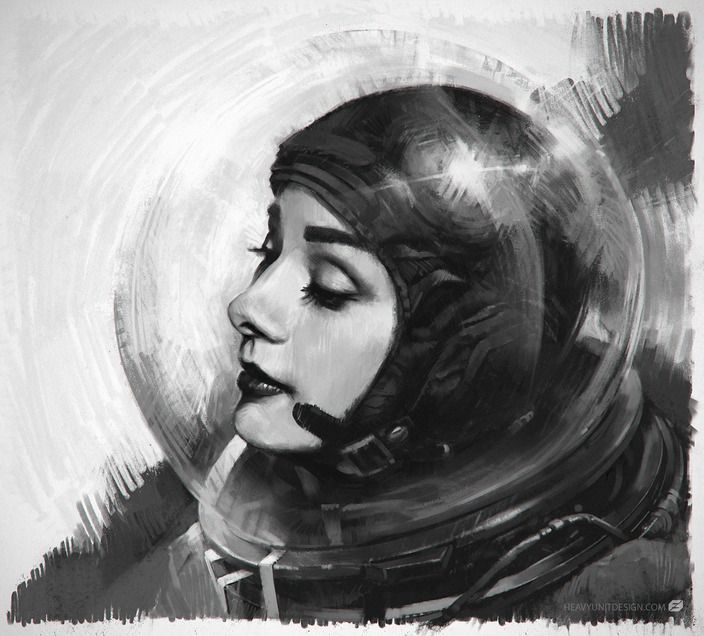
Polly’s Cosmic Burden

Polly Blethyn stood on her doorstep, the weight of infinite worlds pressing down on her. The silence of the suburban cul-de-sac felt deafening after years among the stars. Her husband, Bob, opened the door, his face a mixture of relief and disbelief.

“You’re home,” he whispered.

“I’m home,” she replied, her voice a fragile thread, threatening to unravel.

Bob embraced her, and she let herself sink into his arms. For the first time since her return, she felt tethered. But even as his warmth seeped into her, Polly couldn’t shake the cold certainty that her homecoming would end in ruin.

The house was the same, but Polly was not. She moved through the rooms like a ghost, haunted by the knowledge she carried. Bob cooked dinner, asking questions about her mission, her years away. She deflected with half-truths, the answers caught in her throat like thorns.

At bedtime, she lay beside him, staring at the ceiling. He turned to her, his hand resting on her arm.

“You’re not really back, are you?” he asked.

Polly hesitated. “There’s something I need to tell you. But once I do, you can’t unhear it.”

Bob studied her. “Pol, whatever it is, I can take it. We don’t keep secrets, remember?”

Her chest tightened at the words. She almost told him then—but fear stopped her. Instead, she kissed him, desperate to lose herself in their shared warmth, knowing it couldn’t last.

The next day, Polly sat in the backyard, staring at the sky. The secret clawed at her, demanding release. Bob joined her, two steaming mugs of coffee in hand.

“You’re carrying something,” he said. “Something big. Let me help.”

She looked at him, her heart breaking. “It’s not that simple. Knowing it will change everything.”

“Change doesn’t scare me. Losing you does.”

His words cut through her defenses. Polly drew a shaky breath. “The universe… it isn’t what we think it is. Everything—life, existence—hinges on delicate threads. When I was out there, I learned the truth. I saw how it all works, how fragile it is.”

Bob leaned in, his brow furrowed. “Fragile how?”

Polly hesitated, then spoke the words that had burned in her mind since her return. As she explained, Bob’s expression shifted from curiosity to horror.

“The universe keeps its balance,” she said. “For every gift, there’s a cost. For every truth revealed, a life must be taken.”

“And you learned the truth,” he said, his voice trembling.

She nodded, tears welling in her eyes. “I didn’t understand the cost until now.”

Polly drew a deep breath, her hands trembling as she continued, “The secret is… everything. It’s not something I can summarize. It’s the why behind every why, the how behind every how. It’s… the pattern, the symmetry.”

Bob leaned in, his brow furrowed, as she continued, her voice a low, urgent whisper. The words tumbled out, strange and incomprehensible, resonating with a cadence that seemed to echo in the air around them.

But as the sounds reached Bob’s ears, they fragmented. The syllables melted into gibberish, slipping through his mind like water through cupped hands. He winced, clutching his head.

“What… what was that?” he asked, his voice strained.

Polly’s face fell. “The universe must have applied some sort of safeguard. It wasn’t meant for you to understand, wasn’t meant for your ears. It’s why the cost has to be paid. I wasn’t supposed to bring this knowledge back. I broke the rules.”

Bob shook his head, trying to process. “This doesn’t make sense. It’s just knowledge. What, the universe punishes curiosity?”

“It’s not punishment,” Polly said. “It’s… equilibrium. The scales must balance. And now that you know—”

The realization hit him. “You’re saying I’m the cost?”

Polly nodded, her tears spilling over. “If I don’t act, the balance will shift. The consequences could destroy everything.”

Bob recoiled. “So that’s it? You’re supposed to kill me?”

“I don’t want to!” she cried. “I’ve been searching for another way. But there’s no escaping it. The universe doesn’t care about us, Bob. It only cares about balance.”

“Then let it fall apart,” he said, his voice breaking. “Let it burn. Don’t do this, Pol. We can fight it.”

Polly looked at him, a desperate hope flickering in her chest. “Do you really believe that?”

He didn’t answer.


Night fell, and Polly sat alone in the living room. Bob was upstairs, packing a bag. She knew he was planning to leave, to give her a way out. But it wouldn’t work. The universe would find him, no matter where he ran.

The front door opened, and Bob stood there, duffel bag in hand. “I’m giving you a choice. Don’t follow me. Let me go, and if the universe wants me, it can take me itself.”

Polly stood, her hands trembling. “Bob, please don’t do this.”

“I love you,” he said, his voice steady. “But I can’t be part of this.”

As he stepped out the door, Polly felt the shift—a ripple in the fabric of existence. She saw the threads unraveling, felt the chaos rushing in like a storm. The universe would not wait.

“Bob!” she screamed, running after him.

Polly caught up to him on the empty street. The stars above seemed brighter, harsher, as if watching. She grabbed his arm, tears streaming down her face.

“You don’t understand,” she said. “It’s happening now. The universe is unraveling. If I don’t do this, billions will die.”

Bob turned to her, his expression softening. “I’m not afraid, Pol. If this is my fate, I accept it. But I can’t let you carry this burden forever.”

Her knees buckled, and she fell into his arms. “I can’t do it,” she sobbed. “I can’t lose you.”

“You’re not losing me,” he whispered. “I’ll always be with you.”

Polly pulled back, searching his face for doubt or fear, but found only love. With shaking hands, she raised the small device—the one designed for a painless end.

“I’m so sorry,” she said.

“I know.”

The light faded from his eyes, and Polly screamed, collapsing beside him as the stars seemed to dim. She felt the balance restore itself, the threads tightening—but the victory was hollow.


Polly sat alone in the cockpit of her ship, the Earth a blue marble behind her. The universe was safe, its secrets intact, but she was broken.

She activated the ship’s log. “This is Polly Blethyn. Explorer. Guardian. Murderer. I saved the universe today, but I lost my world.”

Her hand hovered over the controls. The stars beckoned her, an endless expanse of cold indifference. She set a course for the unknown, hoping to find meaning—or absolution—in the void.
Dear Anyone Who Finds This

There was a note.

Pinned to the center of a bulletin board in John Tyler High School. Plain white loose leaf paper, slightly crumpled at one corner, handwritten in blue ink that had smeared in places as if touched by tears.

Most of the students hurried past on that Tuesday morning, their minds preoccupied with upcoming tests and lunch period drama. But Kathleen Crowley stopped, for reasons she couldn’t later explain, her hand reaching for the paper before she even realized why. The note read:

Dear Anyone Who Finds This,

I’m writing this because I don’t know who else to talk to. I’ve tried before, but it’s like my words don’t reach anyone, or maybe they just don’t matter. My world is quiet, and it’s always like this. Even when the world outside moves, echoes, and lives, I’m left in here, alone.

I used to dream of better days, days filled with laughter and warmth, but those dreams stayed far away. The moments of happiness were only in my mind, fading quicker than I could hold onto them. The truth is, no one ever stayed. No one ever cared enough to see me.

The light is gone now. It’s strange how even the smallest glimmer can feel cruel when you realize it’s not for you. I’ve spent years searching for answers, trying to understand why I don’t fit in, why I’m different. Everyone moves past me, like I’m invisible, and I stopped trying to catch up.

It’s like time has stopped. The clock ticks, but every second feels like it drags me further into darkness. I’ve screamed for help so many times, in silence and out loud, but no one ever hears. No one looks back. It’s like I’m bound by something no one else can see, chained to this loneliness that no one understands.

I remember when I used to smile. But that girl is gone, replaced by someone who is only a shadow now. The smile faded with time, and so did the hope that things would ever change. I see other people moving on, living, laughing with friends, and I wonder what’s wrong with me. Why can’t I be like them?

I wish I could say I had friends, people who cared, someone who could see me, really see me. But they never existed. Not in this world. My family… they don’t understand. They say it’s just a phase, that I’m overreacting. But it’s not a phase. It’s who I am. A ghost in a world full of life.

I’ve tried to hide my pain, thinking maybe one day someone will notice. But they never do. I’ve spent so many nights like this, crying where no one can see, hoping for something, anything to change. But nothing ever does. This darkness? It’s my only companion now.

I don’t want to feel like this anymore, carrying a heart that feels so empty, so broken. I’m tired of pretending that I’m okay, when inside I’m screaming. I’m tired of hoping for something better, something that never comes. And I’m tired of this loneliness being all I know.

I don’t think anyone will miss me. No one really knows me. Not really. I’ve been alone for so long that I don’t even know what it’s like to feel warmth, to feel loved. All that’s left now is the cold, the silence, and the shadow of who I used to be.

Maybe it’s better this way.

-NK

During second period, Kathleen pushed past the school secretary and shoved the note into the principal’s hands. By third period, they worked out the initials NK were Nora King and the empty desk in AP Literature spoke louder than words. Her mother’s voice cracked over the phone when she confirmed to the principal that Nora hadn’t come home last night.

The search began immediately. The sheriff’s car crawled through neighborhoods while volunteers gathered at the community center. They handed out flyers with Nora’s photo – a quiet smile, eyes that seemed to be looking somewhere else. Her laptop offered no clues; her phone was found on her desk at home.

Kathleen skipped her classes and conducted her own search, visiting places that she herself had gone to that felt safe when she needed to be alone. The old bridge over Miller’s Creek. The bell tower at St. Michael’s. The abandoned treehouse in Wilson Woods.

Then she remembered. A few months ago, she’d found Nora up on the public library roof during the spring flower festival. They’d talked about photography, about the way the whole town looked different from up high. Kathleen had meant to invite Nora to the photography club’s next meeting, but she’d gotten busy with college applications and…

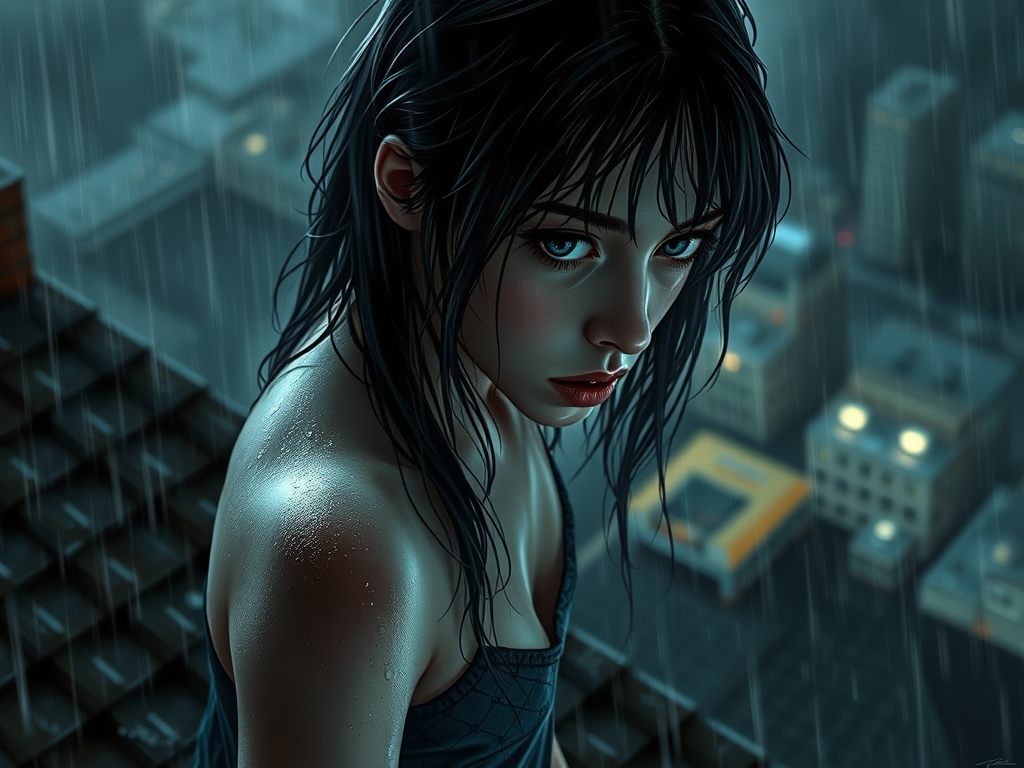
The sky was spitting rain when Kathleen burst through the library’s roof access door. The wind had picked up, whipping her hair across her face as thunder cracked overhead. For a moment, she thought she was too late – the roof appeared empty. Then she saw her: a small figure perched on the ledge, dark hair streaming in the wind like a surrender flag.

Nora swayed precariously, six stories above the gathering crowd. In her right hand, an orange prescription bottle caught the last rays of sunlight filtering through the storm clouds. Her feet, Kathleen noticed with horror, were already halfway off the ledge, her cheap canvas shoes scraping against wet concrete.

“Nora!” Kathleen’s voice barely carried over the wind. She took one careful step forward, then another, her shoes crunching on scattered gravel. “I read your note.”

Nora’s head turned slightly, but she didn’t fully face Kathleen. “You shouldn’t have come.” Her words were slurred, and the pill bottle in her hand was already half-empty.

“How many did you take?” Kathleen inched closer, noting how Nora’s balance seemed increasingly unsteady. Below, she could hear sirens approaching, their wails mixing with the growling thunder.

“Enough.” Nora’s voice cracked. “I just wanted someone to notice… before…” She swayed again, more severely this time.

“We notice now. We see you.” Kathleen was only ten feet away. “Please, just take my hand.”

Nora finally turned, her eyes glassy and unfocused. The movement caused her to stumble slightly, and the pill bottle slipped from her fingers, plastic clattering against concrete before spilling its remaining contents into the wind.

What happened next seemed to unfold in slow motion.

A powerful gust of wind caught Nora’s oversized jacket just as her knees buckled. She pitched backward, arms windmilling desperately as her feet lost their purchase on the ledge. Kathleen lunged forward, her body sliding across the wet rooftop. Her fingers caught Nora’s wrist just as the girl cleared the edge.

The sudden weight nearly pulled Kathleen over too. Her shoulder screamed in protest as she braced herself against the ledge, her other hand gripping the rooftop’s safety rail. Rain pelted her face, making it hard to see.

“Hold on!” she screamed, but she could feel Nora’s wrist slipping through her fingers. The medication was making Nora’s movements sluggish; she wasn’t even trying to grab back.

“Let me go,” Nora whispered, her eyes drifting closed.

“No!” Kathleen’s grip slipped to Nora’s palm, then to just her fingers. “Someone help! I can’t… I can’t hold her!”

Just as Nora’s fingers were about to slip away completely, a strong hand grabbed Kathleen’s belt, anchoring her. Another pair of arms reached past her – Mr. Denning from AP Chemistry, his tie whipping in the wind. Then came more hands: Coach Reeves, the janitor, two parents who had been in the library. Together, they formed a human chain, pulling both girls back from the edge.

They collapsed in a heap on the roof as the storm broke overhead, rain pouring down in sheets. Nora was unconscious but breathing, her pulse weak but present. Kathleen held her hand all the way to the ambulance, refusing to let go until the paramedics gently pulled them apart.

The next morning, a new note appeared on the school bulletin board:

Dear Anyone Who Feels Invisible,

You’re not alone. We’re here. We’re looking. And we’ll find you.

  • Your Community

Below it, dozens of students had already added their own messages of support, phone numbers, and invitations to lunch. Nora’s empty desk in AP Literature wasn’t empty anymore – it was covered in notes, each one a thread weaving her back into the fabric of their small town.

Sometimes the hardest step isn’t the one away from the edge – it’s the one back toward the light. But you don’t have to take it alone.

©2024 Rhyan Scorpio-Rhys

Help Is Always Available

If you or someone you know is struggling, you’re not alone. Caring, trained professionals are available 24/7 to listen without judgment:

  • 988 Suicide & Crisis Lifeline
    • Call or text 988
    • Available 24/7 in English and Spanish
    • For veterans, press 1 after dialing
  • Crisis Text Line
    • Text HOME to 741741
    • Available 24/7, free and confidential
    • Connect with a trained Crisis Counselor
  • The Trevor Project (LGBTQ+ Youth)
    • Call 1-866-488-7386
    • Text START to 678678
    • Available 24/7, confidential and free
  • Trans Lifeline
    • Call 1-877-565-8860
    • Peer support by trans people, for trans people
  • National Alliance on Mental Illness (NAMI)
    • Call 1-800-950-NAMI (6264)
    • Text NAMI to 741741
    • Available Monday-Friday, 10 AM – 10 PM ET
    • Connect with local support groups and resources

Remember: Reaching out is a sign of strength, not weakness. You deserve support, and there are people who want to help.

The Spectral Waltz: Odette’s Moonlit Fade

The first time Odette saw Dwight, he was seated at a poker table under the neon glow of a Vegas casino. His face was a study in calm focus, his fingers moving with the deliberate precision of a surgeon as he tapped his chips and flicked his cards. She was drawn to him, not just for his skill but for the glint in his eye—a mix of ambition and danger that hinted at something deeper.

“Careful with that one,” a cocktail waitress whispered to her. “He’s got the devil’s luck, and you don’t play with the devil unless you’re willing to lose.”

Odette ignored the warning. That night, when Dwight flashed her a smile over his winnings, she fell.

At first, their love was intoxicating. Dwight’s triumphs felt like her own. He swept her up in the thrill of his victories—the adrenaline of big bets, the raucous laughter of late-night celebrations, the whispered promises of a future filled with riches. Odette, a college dropout stuck in a dead-end waitress job, felt like she’d finally found her golden ticket.

But it wasn’t just the money. Dwight had a way of making her feel seen, like she was the only person in a room full of distractions. He had charm, sure, but also a vulnerability he rarely showed anyone else. When he held her after a night of poker, confessing his fears of failure, Odette felt needed.

“We’re unstoppable,” he’d say, his voice low and full of conviction. “You and me against the world.”

She believed him.

The losses began slowly—a bad night here, an unlucky streak there. Dwight shrugged them off at first, but soon, the cracks began to show.

“I’ll turn it around,” he said one evening, gripping her hand as if she were a lifeline. “One big win, and we’re back on top.”

But the wins never came. The house always won, and Dwight's golden touch dulled to tarnished brass. Odette tried to support him at first, urging him to walk away, but Dwight wouldn’t listen.

“I just need time,” he snapped one night, his eyes bloodshot from lack of sleep.

Time was all she gave him. Days turned into weeks, weeks into months. The man she fell in love with had become a stranger—angry, desperate, unreachable. And in his shadow, Odette began to disappear.

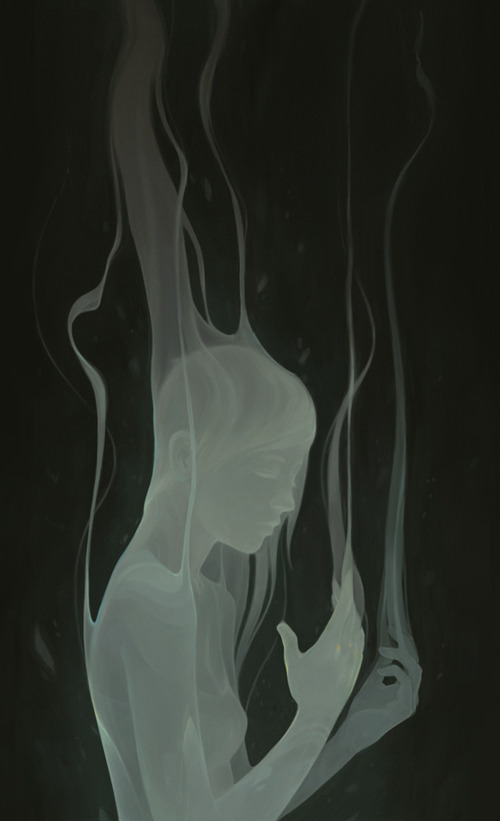
She started noticing it in small ways. Her reflection in the mirror seemed fainter, less defined. Strangers bumped into her on the street, as if they didn’t see her at all. Even Dwight seemed oblivious to her presence, muttering apologies when he brushed past her in their cramped apartment.

“Do you even see me anymore?” she asked one night, her voice trembling.

Dwight barely looked up from his laptop, where he was studying poker strategies. “Of course I do,” he said. “I’m doing this for us.”

But there was no "us" anymore, only Dwight and his obsession.

One evening, as the moon hung heavy in the sky, Odette sat alone on the apartment balcony, watching the city lights blur in her vision. She tried to remember the last time she felt whole—when she wasn’t just an echo of herself.

Inside, Dwight cursed under his breath, another bad hand played on an online table. He didn’t even notice when Odette stood, her translucent figure blending with the pale moonlight.

She walked through the apartment like a ghost, touching the poker chips scattered on the coffee table, the faded photo of them from happier days. When she reached Dwight, she leaned in close, her lips brushing his ear.

“I loved you,” she whispered, though she wasn’t sure if the words would reach him.

Dwight shivered but didn’t turn around.

By the time Dwight realized she was gone, the apartment was empty, save for the lingering scent of her perfume. At first, he assumed she’d gone to clear her head. When hours turned into days, he started calling hospitals and shelters, wondering if she’d fallen into harm’s way.

It wasn’t until weeks later, sitting alone at a poker table with no one to cheer him on, that the weight of her absence hit him.

He looked up at the dealer, a faceless man whose eyes glinted like twin mirrors. “You all right, buddy?” the dealer asked.

Dwight opened his mouth to reply but stopped. For a moment, he thought he saw her in the crowd—a pale figure drifting between the slot machines. When he blinked, she was gone.

Odette was never found. Some said she ran away, escaping a man who had gambled her love into oblivion. Others whispered of a ghost that haunted the casino floor, a shimmering reminder of the price of obsession.

Dwight played on, each hand a futile attempt to win back the life he’d lost. But in the end, he was just another gambler, betting on the impossible and haunted by the faintest memory of the woman he had loved and destroyed.

©2024 Rhyan Scorpio-Rhys

Thirsty

John sat alone in the living room, the flicker of the television casting dull shadows across the walls. His wife, Leah, was away visiting her sister, leaving him alone in the house for the weekend. He switched off the TV, tired of the canned laughter and predictable punchlines, and the sudden silence made the house feel heavier. The only sound now was the hum of the refrigerator in the kitchen, a faint pulse in the stillness.

The fog outside pressed against the windows, dense and unyielding. It blurred the world into shapeless gray, swallowing everything beyond his yard. John stared into the haze, uneasy. It wasn’t the first foggy night he’d seen, but something about this one felt wrong—too thick, too quiet, like it wasn’t just obscuring the world but erasing it.

He poured himself a drink, savoring the quiet. The fog outside had swallowed the neighborhood in an impenetrable gray, and through the window, John could barely make out the shape of his mailbox. He wasn’t a paranoid man, but the fog unnerved him. It distorted the world, made everything seem closer than it should be.

He poured himself a drink, the clink of the ice against the glass sharp in the quiet. Then came the knock.

It wasn’t the polite rapping of a visitor, but a frantic pounding—desperate, erratic. John tensed, his fingers tightening around the glass. He listened, unsure if he had imagined it. But then it came again, harder this time.

“Please!” a voice cried out, muffled by the thick front door. “Please, help me! I’m thirsty. Please, let me in!”

John stood up, his heartbeat quickening. He walked toward the door but stopped a few feet away, unsure. The voice was that of a woman, her tone laced with a raw edge of panic. He peered through the peephole.

A woman stood on his front porch, her appearance so disheveled it sent a ripple of discomfort down his spine. Her long, tangled hair clung to her face, strands matted with dirt. She wore a filthy, ragged dress, caked in grime, her bare feet blackened from what looked like a long, brutal journey. She kept slapping the door with her palm, as if she didn’t have the strength to knock properly.

“Please, let me in!” she shouted, her voice cracking. “I’m so thirsty!”

John’s throat tightened. His first instinct was to open the door, but something in the pit of his stomach held him back. The way she looked, the frantic energy that radiated from her… it felt wrong.

“I-I’ll get you something,” he called through the door. “Stay there.”

He retreated to the kitchen, opening the fridge to grab a bottle of water. His fingers shook as he closed the fridge door. There was a strange weight in the air, like the fog outside was seeping through the walls. His instincts screamed at him to stay away from the door, but guilt gnawed at him—what if she was really in trouble? What if she just needed help?

When he returned to the foyer, everything was quiet. No more pounding, no cries of desperation. Just silence. John cautiously approached the door, the bottle in hand.

He stopped.

The woman was no longer outside.

A chill crawled up his spine, every hair on his body standing on end. His eyes darted around the room, his heart pounding in his ears. Slowly, he turned—and froze.

She was inside.

Standing in the living room, not more than ten feet from him, staring directly into his eyes.

“How…?” The words died in his throat. His legs felt rooted to the floor.

She smiled faintly, her cracked lips pulling back to reveal yellowed teeth. There was a strange calmness in her now, a slow, deliberate energy. The desperate woman from the porch had vanished, replaced by something colder, more focused.

“You’re kind,” she said softly, her voice brittle like dry leaves. “Thank you for the water.”

John watched, dumbfounded, as she stepped forward and plucked the water bottle from his trembling hands. But she didn’t drink it. Instead, she twisted off the cap and poured a small amount into her filthy palm, rubbing the water over her skin, washing away the caked dirt in slow, deliberate strokes. The streaks of grime thinned, but underneath her skin looked raw, almost bruised.

She took another swig of water—this time, not to drink. She swished it in her mouth and spat it out onto the floor, her eyes locked on his. “Thank you,” she repeated, her voice empty, hollow, devoid of real gratitude. “I needed that.”

John stumbled backward, his heart racing, but she took a slow step forward, closing the gap between them. Her movements were smooth now, unnaturally smooth, like she had shed her earlier desperation.

“What do you want?” he asked, panic rising in his voice.

She tilted her head, her hair falling to one side like a broken marionette. “Why are you afraid?” she asked, her tone dripping with mock innocence. “You’re safe in your home, aren’t you? And all I wanted… was a little kindness.”

“I’ll call the police,” John warned, his voice shaking.

Her eyes narrowed, but her smile widened. “Go ahead. I won’t stop you.” She moved closer, and the sharp tang of soil and rot hit his nostrils. “But you won’t make it, John. You know that, don’t you?”

“How do you know my name?” He hadn’t told her—he hadn’t spoken his name aloud. A lump of terror lodged in his throat.

She chuckled, low and soft. “I’ve known you for longer than you think.” She glanced down at the water bottle, now nearly empty in her hands. “You’ve been so generous. But this… this isn’t what I need.”

John felt the walls closing in, his vision narrowing. The air in the room seemed to grow heavier, thicker. The woman’s smile faded, replaced by a look of hunger so intense it made his skin crawl.

“I’m still thirsty,” she whispered, her voice now barely a breath.

John bolted for the back door, his body finally responding to the surge of adrenaline. He fumbled with the lock, the handle slick in his grip, and it felt like an eternity before it gave way. He burst outside, the fog swallowing him whole.

The porch light barely pierced the haze. The ground beneath him was damp and spongy, like it wasn’t solid anymore. But he couldn’t stop. He had to keep moving. Shapes were approaching in the mist, vague and shifting, and the air buzzed with whispers just out of reach.

“John,” her voice called, soft and mocking. “You can’t run. You know that, don’t you?”

He spun around, his breath coming in ragged gasps, but the house was gone—only fog surrounded him now. The whispers grew louder, overlapping, a chorus of hungry voices. Shadows closed in, their forms just beyond comprehension, and the cold grip of something unseen brushed against his skin.

He stumbled, his knees giving out. As he fell, the fog thickened, pressing into his lungs, his veins, his mind. And through the suffocating gray, her voice drifted close, a final whisper in his ear:

“You’ll always be thirsty, John. Just like me.”

The last thing he saw was her smile, wide and empty, as the fog consumed him.

The Weight of Shadows

A cold sliver of morning light slipped through the heavy curtains of Abigail’s apartment. She hadn’t left in months. The world outside had become a distant memory—a place of hurt, rejection, and suffocating expectations. Inside, her world was quiet, the boundaries drawn by the walls of her small apartment and her mind’s slow unraveling.

Abigail’s days blended together in a gentle haze. She read books, watched the sun crawl across the floor, and sometimes let herself wander through memories of a time when she was not so alone. She lived through the screens of her laptop, venturing into the virtual world only when necessary. No visitors. No conversations. She had even stopped answering her phone.

The isolation felt comforting, like a heavy blanket she could pull over her head to block out the world. But it was not without its costs. There were days when the silence was deafening. Nights when her thoughts twisted into dark corners, wrestling with the deep sense of loss she hadn’t dared name.

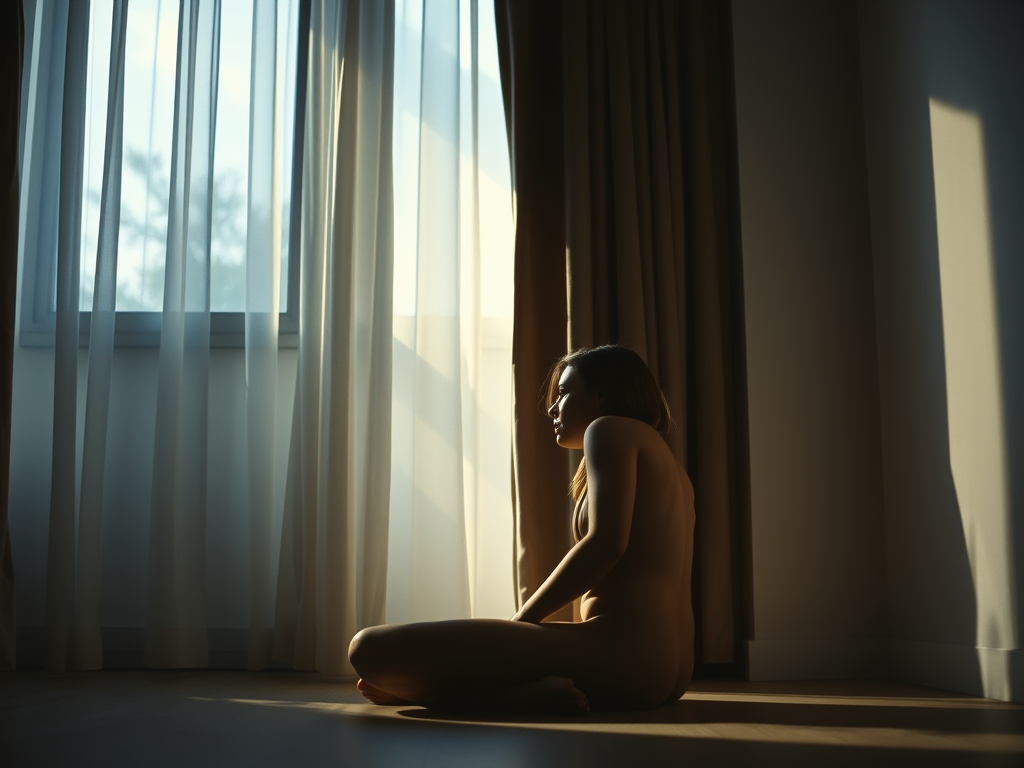
It started subtly, this fixation with the shadow. One afternoon, as she sat in her usual place on the floor by the window, she noticed the way the light caught her figure, casting her silhouette on the pale wall. At first, it was just an outline, a companion in the stillness of the apartment. But the more she looked, the more she began to notice details—the way the curves of her body played out on the wall, the sharp angles of her elbows, the delicate contour of her face.

Abigail had never thought of herself as beautiful. She had always been practical, focused, indifferent to her appearance. But the shadow, her shadow, felt different. It was more than an extension of her; it was a presence, a quiet reflection of a self she hadn’t explored.

Over the next few days, she found herself watching it more often. In the morning, the soft light would stretch it long and elegant. In the evening, when the light dimmed, it would grow sharper, more defined, almost bold. She started talking to it—at first just absentmindedly, then with a growing intensity, as if it could answer back.

She would trace its outline with her fingers, feeling a strange warmth spread through her at the thought of her hand brushing against this shadow-self. There was a comfort in it, a growing sense of intimacy. In its silent form, it listened to her, reflected her, became her.

One night, lying awake, Abigail felt a strange ache in her chest. It was a sensation she hadn’t felt in years—desire. She didn’t recognize it at first, dismissing it as a fleeting moment of loneliness. But the more she tried to push it away, the more it grew. She couldn’t stop thinking about the shadow, the way it moved in rhythm with her, the way it felt close, familiar, yet untouchable.

But how could she desire something that wasn’t real? How could she long for a shadow?

The days became a blur of confusion and yearning. She started spending more time by the window, letting the light play on her skin, watching as her shadow danced along the walls. Sometimes, when she moved, it seemed as though the shadow moved independently, stretching towards her, beckoning her closer.

And then one day, something changed.

The shadow didn’t just move with her—it shifted, morphing slightly as the light bent in a peculiar way. Abigail blinked, unsure if what she was seeing was real or a figment of her imagination, but there it was: the shadow had taken on a new form. A figure, still her silhouette, but different, softer—feminine, undeniably female.

Her breath caught in her throat. It wasn’t just her shadow anymore. It was another. A reflection of something she hadn’t yet faced. She reached out, tentatively, letting her fingers trace the shape of this new form. There was something in the way the light held it, in the way it seemed to curve toward her. The sensation was electric, a quiet thrill that made her heart race.

The attraction was undeniable. But it was more than physical. It was a longing for something unspoken, something she had buried for so long that she hadn’t realized it still existed. The shadow, this female figure, was the embodiment of her unacknowledged desire, the reflection of a love she had been too afraid to explore in the outside world.

Abigail had always known, deep down, that she was different. As a child, she had dismissed her feelings toward other girls as a phase. As an adult, she had pushed herself into relationships with men, hoping they would fill the void. But they never had. And now, alone in her apartment, shut off from the world, she had found something real, something that pulled her toward a truth she couldn’t ignore.

The realization came slowly, but with it came clarity. She wasn’t falling in love with a shadow. She was falling in love with herself, or rather, with the parts of herself she had suppressed for so long. The attraction she felt wasn’t for an imagined figure on the wall, but for the woman she had always been.

In the weeks that followed, Abigail’s relationship with her shadow deepened, but so did her understanding of herself. The shadow, once a reflection of her isolation, had become a mirror for her soul. It was a love story, yes, but one that transcended the boundaries of flesh and light. It was a story of self-discovery, of acceptance, of awakening.

And as the days grew longer and the light in her apartment changed with the seasons, Abigail found herself ready to step back into the world. Not because she had found someone else, but because she had found herself. And for the first time in a long time, that was enough.

Ghost Biker (Non-Bizarro Fiction Version)

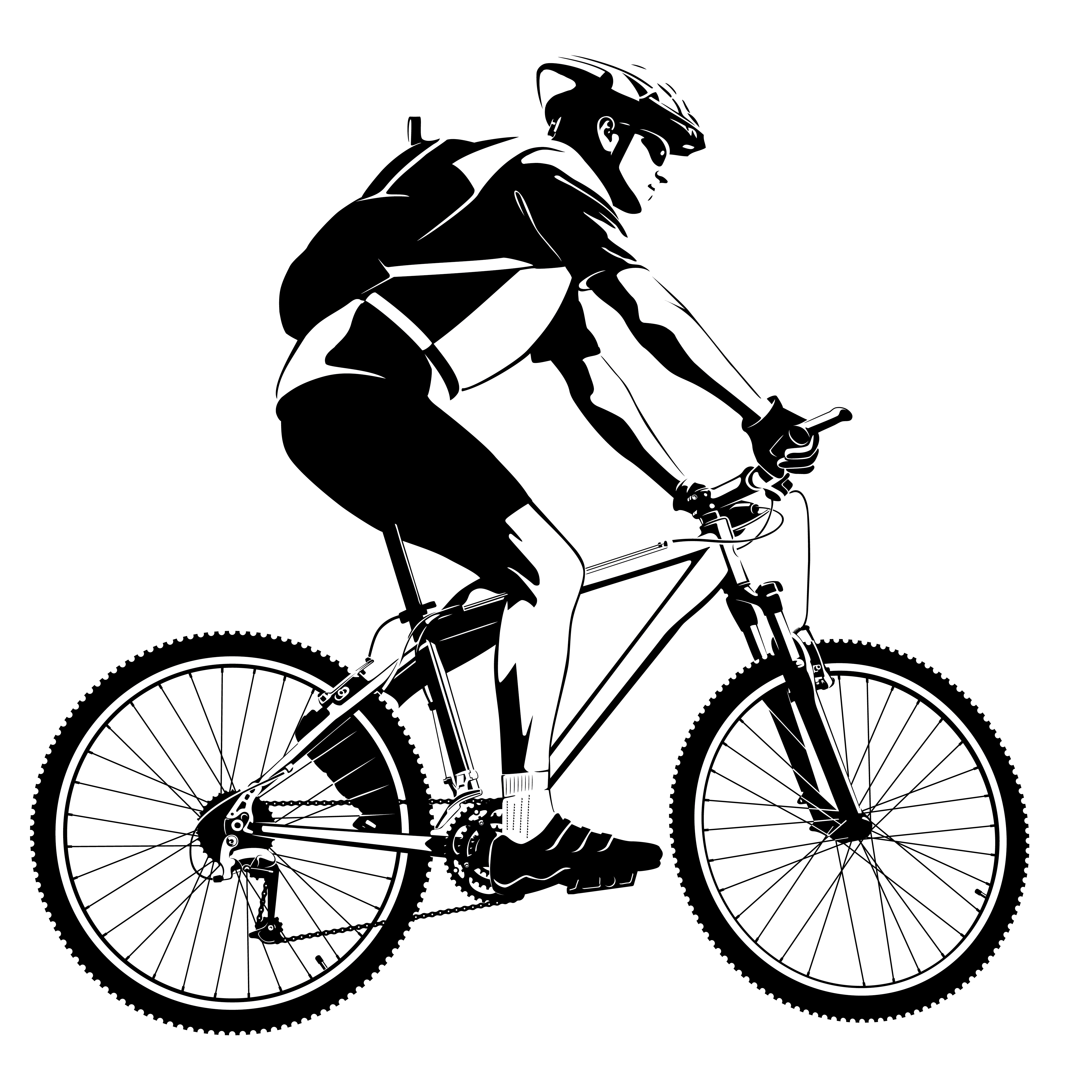
silhouette-of-cyclist

The first time Samantha Lancaster saw the Ghost Biker, she was on her way home from Sarah Kawazu’s funeral.

The streets felt heavier that night, the air soaked with rain and regret. Her best friend, gone—crushed by a delivery truck on a road the city promised to make safer years ago. Samantha couldn’t stop replaying Sarah’s last message: “There’s something you need to see. Meet me tomorrow. It’s important.”

She never made it.

Now, cycling through the same streets that had stolen her friend, Samantha noticed how dark the bike lanes were, how jagged the pavement felt beneath her tires. At the corner of 11th and Pine—the crash site—she stopped. Her breath came in sharp bursts, the sting of loss catching in her throat.

That’s when she saw it.

A white bicycle. Ghostly pale, luminous under the hazy streetlights. It moved silently through the rain, slicing between shadows like a blade. Samantha froze. There was no rider. Or maybe there was—a figure blurred by the downpour, indistinct, almost spectral.

She blinked, and it was gone.


The next morning, Samantha’s editor tossed a stack of papers onto her desk. “Cycling deaths are spiking. Think you can spin it into something that sells?”

Her hands trembled as she flipped through the reports—accidents, injuries, fatalities. A dozen faces stared back at her from grainy photos, lives snuffed out in the blink of an eye. And all of them, according to witnesses, had seen the same thing: a white bicycle.

The Ghost Biker.

Whispers of the figure had been circulating for years—an urban legend, a warning to cyclists and drivers alike. But Samantha wasn’t chasing a ghost. She was chasing answers.

And Sarah’s death had made it personal.


Samantha’s investigation led her to the underbelly of the city’s cycling community—a tight-knit, scrappy network of messengers, advocates, and late-night riders who saw the Ghost Biker as both savior and curse.

“He’s a vigilante,” one cyclist told her, his voice tinged with reverence. “Keeps people on edge. Makes them careful.”

“He’s a murderer,” another countered, showing her the scars on his leg. “Chased me into oncoming traffic. I barely got out alive.”

The deeper Samantha dug, the more contradictions she found. The Ghost Biker didn’t fit neatly into any box—hero or villain, real or supernatural. But one name kept surfacing: Alex Stone.

A cycling advocate, Stone had died five years ago in a horrific crash. The city had blamed him for running a red light. His friends claimed otherwise: a faulty intersection design, ignored safety warnings, blood on the city’s hands. His death had sparked protests and reforms.

Reforms that never came.


One night, Samantha followed the rumors to an abandoned warehouse on the outskirts of town, where she found a makeshift memorial: a white bicycle mounted on a pedestal, surrounded by candles and photos of fallen cyclists.

“It’s not him, you know.”

The voice startled her. She turned to see an older man leaning against the wall, his face weathered, his eyes sharp. “Alex,” he continued. “The Ghost Biker. It’s not him. People just want to believe it is.”

“Who is it, then?”

The man shrugged. “Maybe it’s no one. Maybe it’s everyone.”

Samantha frowned. “That’s not an answer.”

“It’s the only one that matters.” He gestured to the memorial. “You think this city cares about us? About them? They’ll let us die until someone forces them to pay attention. That’s what the Ghost Biker is—attention.”

“By scaring people? By causing crashes?”

The man’s expression hardened. “By making them see the blood on their hands.”


The final confrontation came on a foggy stretch of road just before dawn. Samantha, camera strapped to her chest, pedaled furiously after the Ghost Biker, who weaved through traffic with an ease that defied logic.

She pushed harder, her lungs burning, until the fog swallowed them both. When it cleared, the white bicycle was waiting at the end of the road, its rider dismounting slowly.

“You’re chasing the wrong story,” the figure said, removing their helmet to reveal a woman—grizzled, defiant, her face lined with grief and fury.

“Who are you?” Samantha demanded.

“A warning.”

The woman stepped closer, her voice low and venomous. “Every crash you write about, every life lost, it’s because this city let us down. I ride because someone has to remind them. You want the truth? Write that. But don’t call me a killer.”

Samantha’s hands shook as she aimed her camera, capturing the woman’s face, the battered white bicycle, the bloodstained pavement beneath their feet.


The article broke the city open.

“Ghost Biker Unmasked: The Fight for Safer Streets” became a rallying cry. Protests erupted, cyclists taking to the streets in droves, demanding accountability.

But the Ghost Biker vanished.

Samantha couldn’t decide if she felt relief or regret. She kept cycling, though—through rain and fog, past memorials and freshly painted bike lanes. And sometimes, in the quiet hours of the night, she thought she saw a pale figure in the distance.

Watching.

Waiting.

Because the fight wasn’t over.

Author’s Note: This story is a reimagining of an earlier version (found here: https://maddfictional.com/2024/09/16/ghost-biker/). While the first version experimented with absurdist and surreal elements, this new telling takes a more traditional approach. Though I deeply appreciate bizarro fiction as a genre, I felt I could better serve this particular piece through conventional storytelling techniques.

Let’s Talk About “My Surfer Scientist Secret Wife” – MaddFic Deep Dive Novel Podcast

Get your copy here: https://amzn.to/4gI31jF

Two highly professional and well-established podcasters, Donna Talmadge and Ross Tamecko, take a deep dive into my latest novel, “My Surfer Scientist Secret Wife.”

Description: When perfectionist pastry chef Ira Sea agrees to a marriage of convenience with NixonNina—a daring surfer with a penchant for secrets—his life takes a surreal turn. NixonNina isn’t just a thrill-seeker; she’s an undercover scientist on a mission tied to a mysterious rift in reality.

As the Sea & Sugar bakery becomes a hub for otherworldly phenomena, customers claim the pastries reveal glimpses of alternate dimensions, rival bakers launch sabotage campaigns, and interdimensional chaos brews just beyond their small coastal town.

Together, Ira and NixonNina must unravel the secrets of the rift, outwit shadowy figures intent on its exploitation, and perfect a croquembouche that might just save reality itself.

Quirky, thrilling, and irresistibly heartwarming, “My Surfer Scientist Secret Wife” is a genre-bending tale of love, adventure, and embracing the beauty of imperfection. Perfect for fans of romance, supernatural suspense, and absurd adventures with a touch of pastry magic.

The Final Flicker: Gigi’s Cinematic Farewell

Armageddon arrived on a Tuesday, as if the universe itself adhered to a grim schedule. An asteroid the size of a city struck Earth with unrelenting fury, shattering continents and unleashing a shockwave that raced ahead of the firestorms. By noon, the sky was a cauldron of ash and flame. By dusk, the world had surrendered to chaos.

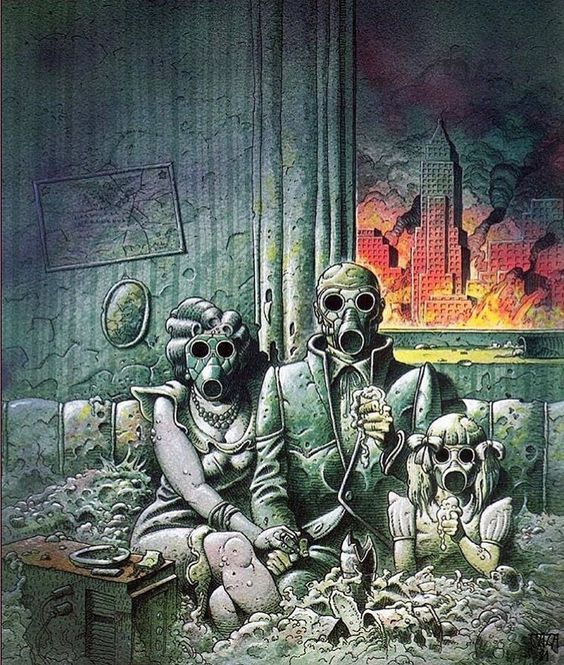
In a small suburban house on Ashworth Lane, the Glomb family made their decision. While neighbors screamed and scattered, clutching at frantic escape plans, the Glombs stayed. They barricaded themselves in their living room, a fortress of ordinary comforts in a world turned unrecognizable.

It was Gigi’s idea to watch a movie. At eleven years old, she had spent half her life curled up on this couch, staring at this screen, spinning dreams from flickering images. Tonight, she wanted one last dream.

“Pick something happy,” her father murmured, his voice shaking just enough to betray him. He fiddled with the remote, hands clumsy with adrenaline.

Gigi’s small fingers brushed his. “This one,” she said, holding up the Blu-ray case. The edges were frayed from love, the cover smeared with fingerprints. Her favorite.

Her mother glanced at it, lips pressing into a thin line, then nodded. “Perfect choice, sweetheart.”

Outside, the dying sun burned crimson through the curtains, bathing the room in an otherworldly glow. The air smelled faintly of smoke, though the flames hadn’t reached their street yet. The distant thunder of collapsing buildings was a steady drumbeat, a reminder that time was running out.

The movie began, its cheerful theme song cutting through the heavy silence. Gigi curled between her parents, her head resting against her mother’s shoulder, her legs draped over her father’s lap. She giggled at the opening scene—a goofy character tripping over his own feet. Her laughter was bright, incongruous, and achingly precious.

Her father glanced down at her, his jaw tightening. “She doesn’t understand, does she?”

“She understands enough,” her mother whispered, stroking Gigi’s hair. “But she still believes in happy endings.”

He nodded, his throat working as he swallowed hard. The movie’s colorful animation reflected in his glasses, a stark contrast to the destruction creeping ever closer. He wanted to believe in happy endings too, for her sake.

An explosion rocked the street. The windows trembled, and the family froze. Gigi’s fingers tightened on her mother’s arm, but she didn’t cry out. Her parents exchanged a glance—fear darting between them like an electric current—but neither moved.

“It’s okay, Gigi,” her mother said softly. “We’re safe here.”

The lie hung in the air, fragile but necessary. Gigi settled back against her, trusting, her gaze fixed on the screen.

Her father ran a hand over his face, then leaned toward his wife. “Maybe we should’ve—”

“Don’t,” she interrupted, her voice firm. “We made the right choice. Together.”

He hesitated, then nodded. His hand found hers, their fingers intertwining. They sat in silence, watching their daughter laugh again as the movie’s hero triumphed over absurd odds.

As the film neared its climax, the heat became oppressive. Sweat beaded on their foreheads. The faint scent of smoke had grown acrid. The red glow outside the windows pulsed like a heartbeat, steady and inescapable.

“Mom?” Gigi asked, her voice soft. “Do you think... we’ll see Grandma and Grandpa? You know... after?”

Her mother’s throat constricted, but she forced a smile. “I think so, sweetheart.”

“Good.” Gigi smiled back, her face serene, her innocence unshaken. “I miss them.”

Her father leaned down, pressing a kiss to the crown of her head. “They’ll be so happy to see you.”

The final scene of the movie played out, a burst of music and color that seemed to defy the destruction outside. Gigi clapped her hands, her eyes shining with joy. “That’s my favorite part,” she whispered.

The power flickered. The TV screen dimmed and sputtered, then went black. The room plunged into silence, save for the distant roar of flames.

Gigi frowned. “Did the power go out?”

Her mother pulled her closer, burying her face in Gigi’s hair. “It’s okay, baby. Just close your eyes.”

Her father wrapped his arms around them both, his voice cracking as he murmured, “We’re right here, Gigi. We’ll always be right here.”

The flames reached the house, their heat searing, their roar deafening. But inside the cocoon of their embrace, the Glomb family clung to each other. Together, they faced the end, wrapped in love and the memory of a movie that made them forget, for a little while, that the world was dying.

As the fire consumed them, their silhouettes lingered in the flames, a fleeting echo of humanity’s light against the void.

Novus – A (sort of) New Year’s Tale

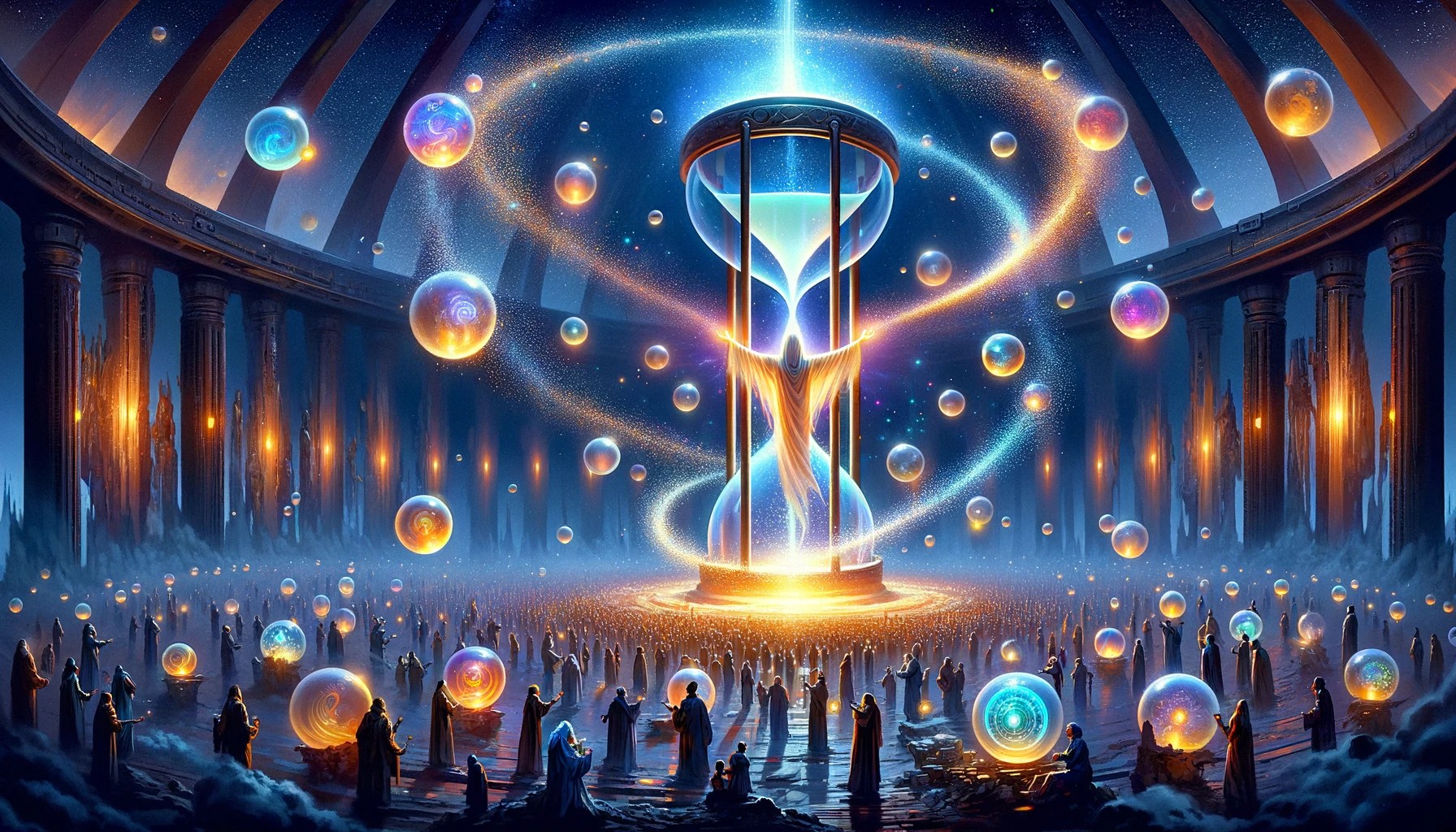
Tempus is unlike any other planet in the universe. Here, time doesn’t merely pass; it lives, breathes, and shapes the destiny of its people. The planet’s rhythms govern the cosmos, its heart pulsing with the essence of every year gone by and every year yet to come. At the heart of Tempus stands the Great Hall of Epochs, where a sacred ritual marks the turning of the year.

Tonight, the hall thrums with anticipation. Thousands of citizens crowd the vast chamber, each holding a glowing orb close to their chest. These orbs are no ordinary objects; they carry the weight of dreams, regrets, and aspirations—a year’s worth of life distilled into fragile light. High above them, a towering hourglass looms, its shimmering sands spiraling downward, each grain a moment slipping into history.

Eris, a young artist with paint-stained hands, clutches her orb tightly. She’s poured her heart into it: the longing to finally create something worthy of her late mentor’s praise. Beside her, Darian, an aging farmer with weathered hands, shifts uneasily. His orb contains the hope of a bountiful harvest, something he hasn’t seen in years. Around them, murmurs ripple through the crowd—excitement, nervousness, and the faintest edge of fear.

“What if Novus doesn’t come?” a child whispers, tugging at her mother’s sleeve. The mother hushes her, but the question lingers in the air.

The final grains of sand cascade through the narrow neck of the hourglass. A hushed silence falls over the hall. Then, in a burst of brilliant, kaleidoscopic light, the New Year emerges.

Novus steps forward, its form radiant and ever-shifting, a living kaleidoscope of color and energy. Its voice resonates like a symphony, at once tender and powerful: “I am the blank page, the unwritten story. I am the opportunity for change, for growth, for new beginnings.”

One by one, the citizens approach Novus, their orbs glowing brighter as they near. Eris is among the first. She hesitates, her fingers trembling, before placing her orb in Novus’ outstretched hands. The light from her orb merges with Novus, and for a fleeting moment, she sees a vision: her hands painting something magnificent, something that takes her breath away. Tears streak her cheeks as she steps back.

Darian is next. He places his orb into Novus’ grasp, and his vision comes not as a picture, but as a sensation—the warmth of sunlight on his back, the scent of fertile soil, the joy of abundance. He exhales, his shoulders lighter than they’ve felt in years.

Not everyone steps forward. Near the edge of the crowd, a figure cloaked in shadow clutches their orb tightly, refusing to let go. Rumors swirl about them—a dissenter who believes the ritual is a lie, that Novus is nothing more than an illusion. Their defiance casts a subtle tension over the gathering, but Novus pays no mind, its focus unwavering.

As the last orb is offered, Novus begins to expand. Its light floods the Great Hall, spilling into the streets of Tempus and beyond. The planet itself responds: cracks in ancient buildings mend, withered trees sprout new leaves, and rivers run clearer than they have in decades. For a moment, all scars—physical and emotional—begin to heal.

But the dissenter steps forward at last, their voice cutting through the light. “What of those whose hopes were shattered? What of dreams unfulfilled? Is this endless cycle not a cruel joke?” They hurl their orb to the ground, shattering it. The crowd gasps, their joy faltering.

Novus pauses. Its light dims slightly, and for a moment, silence reigns. Then, it speaks, its voice softer but no less resonant: “The past cannot be erased, nor should it be. Each shard of regret, each splinter of pain, adds to the mosaic of who we are. Even broken dreams can be woven into something beautiful.”

From the shattered orb, Novus gathers the fragments, its light knitting them together into a brilliant constellation that floats above the dissenter’s head. The figure’s defiance melts into awe, and they fall to their knees.

With its task complete, Novus ascends into the sky, becoming a radiant beacon visible from every corner of the galaxy. Its light carries a message, rippling across the stars: every end is a new beginning, and the power to shape the future lies within each of us.

As the people of Tempus erupt into celebration, Eris looks up at the beacon, her heart brimming with hope. “This year,” she whispers to herself, “will be different.” And she believes it.

From the heart of Tempus, the spirit of Novus spreads, reminding all who witness it that the courage to change, to grow, and to create something extraordinary begins with a single step forward.


As the clock strikes twelve and the year turns anew,
I pause to reflect and to think of you,
My readers, my friends, my constant companions,
Through the joys and the sorrows, the triumphs and canyons.

You've been there with me, through each word and each line,
Your support and your love, a treasure divine,
Your feedback, your thoughts, your encouragement true,
Have lifted me up and seen me through.

As we stand on the cusp of a brand-new year,
I want you to know that I hold you all dear,
Your presence, your spirit, your unwavering light,
Have made this journey a pure delight.

So here's to the New Year, to the chapters ahead,
To the stories unwritten, the tales yet unsaid,
May your year be filled with love, laughter, and cheer,
And may all your dreams come true, my friends so dear.

Thank you for being a part of my story,
For sharing your time, your hearts, and your glory,
I am grateful for each and every one of you,
And I can't wait to see what the New Year will do.

So let's raise a glass to the days yet to come,
To the challenges faced and the victories won,
Together we'll write the next pages with glee,
In this grand adventure, we'll set our hearts free.

Happy New Year, my readers, my friends, and my muse,
May your pens never falter, your words never lose,
Their power to touch, to heal, and inspire,
And may your passion for life never expire.

Here's to you, and to all that's in store,
In the year that awaits us, and so many more,
With love and with gratitude, I bid you adieu,
Happy New Year, my friends, and thank you... thank you.

Aquanetta: Drowning in Love

I once resided in Hydrosophia, a city where the buildings were crafted from iridescent shells and corals, and the streets ran with clear, sweet streams. It was a place where the line between beauty and magic blurred, and dreams seemed tangible, ready to be plucked from the air like ripe fruit. In the folly of my youth, I had a dalliance with the essence of liquid dreams.

Her true name was unpronounceable by my flesh tongue, so I gave her the surface name of Aquanetta, for she was a water elemental. More than that, actually. Not merely a being of H2O, Aquanetta was the laughter of rain on a tin roof, the solemnity of a deep ocean trench, and the tempest’s fury wrapped in a form that could mirror the beauty of any human, yet was as fluid as the element she embodied. Her eyes were twin pools of the clearest azure, depths in which I saw both the calm of a secluded pond and the power of a surging waterfall.

I was an artist then, a creator of mosaics that adorned the city’s fountains and walls. She came to me one night, drawn by my work. At first, she was an audience of one, observing from the edge of my studio in the form of a glimmering mist. Over time, her curiosity turned into something more, and so did mine. Our love was a canvas of impossibility. I held her, yet she slipped through my fingers. I kissed her, yet she evaporated, only to rain down upon me with passion. We could not walk hand in hand without her fingers becoming streams that flowed to the earth. In bed, I embraced a mist, a cool presence that filled my lungs with the scent of the sea.

The city watched us with eyes wide as the moon’s reflection on a midnight lake. They whispered of the foolish artist who courted disaster, who loved a creature of storm and tide. And yet, we were a spectacle that drew crowds, a performance of affection that defied the very laws of nature.

But love, as turbulent as the sea, is not without its storms. Aquanetta’s emotions were as fickle as the water cycle itself. When she was joyous, the city basked in gentle rains that nourished the soul. But our lovers’ quarrels brewed storms within teacups, and our heated exchanges—the alchemy of air and water—conjured thunderous rages. Domestic hurricanes spun from her lips, whirling, twirling, a ballet of chaos choreographed by our discord.

The breaking point came on a night when the moon hung low and the tides were restless. “You never truly see me,” she whispered, her voice like a ripple on still water. “You only see what you want to see.”

“And what are you, Aquanetta? A delusion?” I snapped, my frustration a jagged reef for her tides to crash against.

Her form flickered, shimmering between ethereal beauty and a roiling tempest. “I am everything you’re afraid to love.”

The city trembled under the weight of her despair. I saw her tears carve rivulets into the streets, her sorrow swelling into an all-consuming wave. I wanted to take it back, to stop the destruction, but my pride held me silent. As the tsunami loomed, a towering force of her heartbreak, I realized: Aquanetta’s love wasn’t flawed. It was pure, boundless, and utterly incomprehensible to someone like me.

The wave crashed, and the world turned to blue. Buildings were swallowed, streets became rivers, and lives dissolved into the depths. As the pressure of the water threatened to crush me, I felt her presence, a gentle current pulling me toward the surface. She spared me, even in her fury, even in her grief. She loved me enough to ensure I would survive, even if I would never love anyone else.

When I emerged, gasping for air, the city was unrecognizable. The iridescent shells and corals lay in ruins, the clear streams were now brackish, and the once-bustling metropolis was a waterlogged wasteland. Yet amidst the destruction, I felt a strange sense of peace, as if the tsunami had washed away more than the physical—it had stripped me bare, leaving only the essence of what once was.

Aquanetta was gone, her sacrifice complete. She had shown me the depths of her devotion, and in doing so, she had left a void that no flood could fill. In the years that followed, I wandered, a changed man in a changed world. Sometimes, when the rain fell softly and the wind whispered through the trees, I swore I could hear her voice calling to me from the depths, reminding me that love, like water, can never be truly contained.