Don’t Be A Chump, Don’t Infodump

Image

Finding balance in your life isn’t simple. Balancing life and writing is even harder. Finding balance in your writing? That’s something you’ll be working on for the rest of your natural writing life, because a well-written story balances exposition, description, action and dialogue, but not in equal measure. You need to keep a watchful eye on exposition.

In its basic form, exposition is the part of a story that sets the stage for the drama to follow, introducing the theme, setting, characters, and circumstances, usually at the beginning of the story. Sounds straightforward enough, right? Well, writing good exposition that flows with the story and continues to draw the audience in, isn’t as easy as it sounds. In fact, many writers misuse exposition as an illegal dumping ground for information that not only causes a distraction that breaks the flow of a story, but also decreases interest.

And you don’t have to be an expert to spot the exposition dump (aka infodump) because we’ve all experienced and recognized it while reading a novel or watching a movie or television program. It’s that speed bump or sometimes roadblock in the story where the writer unloads a ton of information at once as a means of explaining things like backstory, characters, and the rules of the story world. If you’re a culprit of this, stop it now. We’ll forgive your ignorance in past works (go back and cull the exposition, if at all possible) but it’s a bad exposition technique and the line must be drawn here. This far, no further.

Typically, infodumping occurs when a character, new to the scene, is introduced to a foreign setting and is force-fed all the knowledge of the various individuals at play, the rules of the micro society, and the overall big picture of the story world. You’ll find this a lot in science fiction and fantasy tales.

Other bad/lazy infodumping techniques include “The Lecture,” where a speaker over-explains information the writer discovered during their research period of the writing process and thought would show their faux expertise in the subject. The other offender is commonly known in the sci-fi writing community as the “As You Know, Bob,” conversation, where one character tells another character information they already know. Please don’t do this. Not only is it lazy, but it comes across as unrealistic.

This isn’t to say that all exposition is bad, in fact, properly executed, it takes up roughly 10% of a well-balanced written piece (the other 90%, of course, being the description, action and dialogue that make up the scenes). Some of the information embedded within expository text is actually relevant, it simply requires a little finesse to fit it in seamlessly and not disrupt the story’s flow.

Of course, if you handle your description, action and dialogue properly, you can whittle that 10% down and most people won’t notice or care about the missing exposition.

Well, that’s enough infodumping for me today. I’m off to tear a story down and rebuild it.

Sally forth and be writeful.
Be Violent And Original (in your writing, naturally)

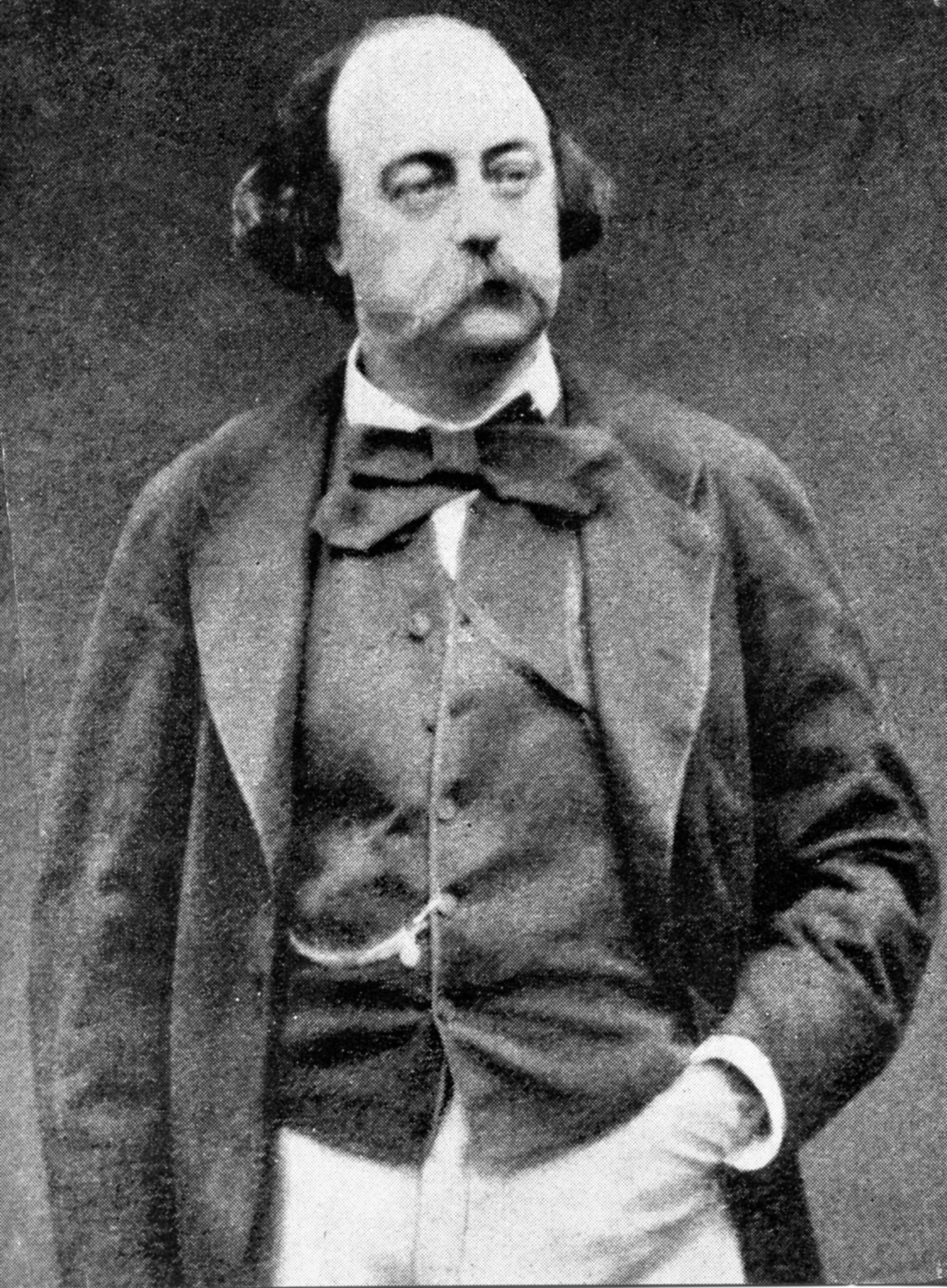
Image“Be regular and orderly in your life, so that you may be violent and original in your work.” – Gustave Flaubert

Live a good life. This isn’t something I should have to tell you. As you make your way through the workaday world, you should strive to do no harm, treasure your relationships with family and friends, seek calming pleasures that contribute to peace of mind, and live in harmony and balance.

Your written life? That’s a different creature all together.

Safe, tame, bland, and sometimes “it’s good” (with the unspoken “but…” attached on the end like a phantom limb) are among the worst things someone can say about your work. Whenever you write, your goal should be to provide elements that hook your audience and reels them in and after the story has been told, leaves them with an emotional takeaway.

Writing is about risk-taking, about snapping off the handbrakes, about shrugging off restraint, about leaving your internal censor bound and gagged in a tiny room, allowing your words and imagination to run amuck and wreak havoc in the world you’ve created.

If you’re not currently writing this way, what’s holding you back? What’s bridling your passion? What’s preventing you from creating bold characters, powerful phrases and dangerous situations? If not yours, then whose hand is on the lever that controls the sluice gates holding back the churning anxiety, obsession and peril your story desperately needs?

Are you trapped within the safe zone because of fear? Then allow me to geek out a moment as I quote the litany of fear, an incantation used by the religious/political sisterhood known as the Bene Gesserit from Frank Herbert’s science fiction classic, Dune:

I must not fear. Fear is the mind-killer. Fear is the little-death that brings total obliteration. I will face my fear. I will permit it to pass over me and through me. And when it has gone past I will turn the inner eye to see its path. Where the fear has gone there will be nothing. Only I will remain.

Fear is also an art-killer. It’s typically the fear of being judged by professionals, critics and peers, of not being admired by the audience for taking a controversial stance or doing horrible things to characters. But the possible opinions and tastes of everyone outside yourself shouldn’t factor in while you’re creating your story. The transfer of ownership hasn’t taken place at this point. It isn’t the reader’s story yet, it’s still yours, so why not write fiercely?

Give your characters barbed tongues and let them spit venom. Give them the courage to do all the things you would never dream of attempting, even on your most adventurous or foolhardy day. Tear their hearts out and make them suffer as you place them smack dab in the center of conflict and tension-filled drama.

Basically, I’m asking you to fish out that key that you’ve hidden in the back of a junk drawer within the deep recesses of your mind and open the door to your wildest imaginings.

You’ll come to discover that if you’re open, honest and free in your writing, yes, you will have your critics and people who won’t either like or understand your work, but you’ll also attract an audience that will come back for more.

What’s that? You need more incentive? Okay, well I didn’t want to break out the big guns but here goes:

I dare you to become more engaging and intriguing with your writing. I double-dog dare you.

See what you made me do? Happy now?

Sally forth and be writeful.

I Question Your Character (and so should you)

Image

As stated in a previous post, hand in hand with creating a strong premise for your story, developing believable characters to fill your imaginary world is an essential part of constructing fiction. The best way for your audience to identify with characters lies in your ability to understand them fully, and the best way for you to accomplish this is to talk to them, or better yet, ask them a series of questions. It’s important that you don’t allow them be evasive and certainly do not take no for an answer.

Don’t worry, you won’t be asking them complicated things like their strategy on balancing the nation’s budget, why the burning sun doesn’t incinerate itself, or how do you solve a problem like Maria? The list of questions below are relatively basic, some which have occurred to you and others that most likely haven’t. And even though most of their answers aren’t particularly relevant to your story and probably won’t come up in conversation, it will aid you in understanding the inner workings of their nonexistent minds.

You’ll notice that the questions have been broken up into bite-sized nuggets, thus making the task of developing your characters less insurmountable, and offering you a coffee or ciggie butt break between your interrogation, should you need it. Now, without further ado:

101 Character Development Questions (grill ‘em like a steak!)

Character Development Questions #1 – The Basics

These are the first questions you need to answer about your character – the stuff you probably need to know to get started.

  1. Name?
  2. Age?
  3. Approximate height?
  4. Approximate weight?
  5. Hair color?
  6. Eye color?
  7. Skin tone?
  8. Do they speak with an accent?
  9. Where are they from?
  10. Where are they now?

Character Development Questions #2 – Backstory

Developing a solid backstory for your characters is essential – even if you don’t put much or any of it in the narrative. The more you treat your character as though they are a real person, the more real they’ll become.

  1. Who are their parents? Biologically and socially.
  2. What is their earliest memory?
  3. What did they want to be when they grew up?
  4. What did/do their parents want them to be?
  5. Do they have siblings? Older or younger? Brothers or sisters?
  6. Do they have or have they ever had children? How many?
  7. Do they or have ever had a significant other? Are they still with them? Why? Why not?
  8. What were they doing right before the story starts?
  9. Up until now, what’s the most noteworthy thing they’ve done? To them? To the people around them?
  10. What was their education like?

Character Development Questions #3 – Tastes

Your characters likes and dislikes is possibly the most overt part of ‘who they are’.

  1. What’s your character’s favorite color?
  2. Do they/would they choose to wear a scent? What would it be?
  3. Do they care about what things look like? All things, or only some?
  4. What’s their favorite ice cream flavor?
  5. Are they a tea, or coffee drinker? Or soft drinks, or do they drink a lot of alcohol? What kind?
  6. What kind of books do they read? What TV shows and movies do they watch?
  7. What kind of music do they like? Do they like music at all?
  8. If they were about to die, what would they have as their last meal?
  9. Are they hedonistic? In all cases? Or does practicality sometimes/always/often win out?
  10. Do they have any philias or phobias?

Character Development Questions #4 – Morals, Beliefs, and Faith

A character’s moral code and beliefs can offer a lot of insights on their motives, and the likelihood of their taking a given course of action.

  1. Do they have an internal (something that they’ve come up with for themselves) or an external (something handed to them via religion, family traits, etc.) moral code?
  2. To what extent are their actions dictated by this code?
  3. Do they believe in a God or Gods/Goddesses/Higher being of some description?
  4. Are they superstitious?
  5. Do they value faith/instinct more highly than reason?
  6. Do they believe in an afterlife? If so, what’s it like?
  7. Do they have any specific beliefs that manifest obviously?
  8. Are the respectful of the beliefs of others? To what extent?
  9. Have they ever had to stand up to criticism for being religious? Or not being religious?
  10. Would they be more likely to act for the good of the one, or the good of the many?

Character Development Questions #5 – Relationships

It would be difficult to write a character who never interacted with anyone else. We learn more about a character from the way other people react to them than by their actions alone.

  1. Do they make friends easily?
  2. Do they have a best friend?
  3. Can they get people to do what they want them to? If so, how?
  4. Do they have a lot of romantic relationships? Serious, or short term?
  5. Do they fall in and out of love easily?
  6. Do strangers and acquaintances actually like them when they meet?
  7. Do they have a network (people they’re connected to without necessarily knowing)?
  8. What is their relationship like with their family?
  9. Are they still in touch with non-family people they were in touch with a year ago? Five years? Ten? More?
  10. Do they like children? Do they want children of their own?

Character Development Questions #6 – Physical Appearance

Time to play dress up!

  1. How does this character dress? How would they choose to dress, if all options were open to them?
  2. Do they have any tattoos? What do they mean?
  3. Do they have piercings? How many? Is this culturally appropriate for them?
  4. Do they have scars? Where did they come from?
  5. Do they alter their appearance in some way on a regular basis (make up, hair dye, etc.)?
  6. Is there something they’d choose to change about their appearance if they had the opportunity to?
  7. Is there something about their appearance they’re particularly proud of/happy with?
  8. Objectively, are they physically attractive? Fairly plain? Unattractive?
  9. Do they have an accurate mental picture and opinion of their physical appearance?
  10. How much time do they spend thinking about their physical appearance?

Character Development Questions #7 – General Knowledge

How well acquainted is your character with the world around them?

  1. Can they navigate their own local area without getting lost? To what degree?
  2. Do they know who the top politician or monarch is where they live? What about elsewhere?
  3. Do they know if/where there are any major conflicts going on right now?
  4. Do they know the composition of water?
  5. Do they know how to eat a pomegranate (or any other tricky item of food)?
  6. Are they good with the technology available to them? Average? Completely hopeless?
  7. Could they paint a house… without making a mess of it?
  8. Could they bake a cake? Would you eat it if they did?
  9. Do they know how to perform basic maintenance on the common mode of transportation?
  10. Do they know the price of a loaf of bread?

Character Development Questions #8 – Specific Knowledge

What about special skills?

  1. Do they have a specific qualification in a narrow area?
  2. Is there something they do or know exceptionally well that most other people don’t?
  3. Do people often comment on a particular skill or area of knowledge to this character? Behind their back?
  4. Is there an area this character could be considered top of their field or a genius in?
  5. Have they deliberately sought to gain knowledge in a specific area? If so, why?
  6. Do they speak more than one language? More than two? Why?
  7. Does their cultural background effect what they would be expected to know?
  8. Have they ever been publicly acknowledged for being well-versed in something?
  9. Have they ever been bullied for knowing a lot about something?
  10. Do they actively seek new knowledge, or let it come to them naturally?

Character Development Questions #9 – “What if…” Questions

These questions are designed to give you a different perspective on why certain things are important about your character – or why they’re not.

  1. What if they’d been born with a different biological sex?
  2. What if they’d have more or less siblings?
  3. What if a key formative event in their past had gone differently?
  4. What if they lost a limb?
  5. What if someone close to them died unexpectedly?
  6. What if they’d been born 50 years earlier? 100 years? 1000?
  7. What if they’d done something completely different on the morning when the story starts?
  8. What if they found enough money to make them wealthy for the rest of their life in a bag?
  9. What if they were stranded and deserted?
  10. What if they were betrayed by someone they trusted?

Character Development Questions #10 – Miscellany

These are just questions that any real person would likely be able to answer, but a fictional character often can’t.

  1. What did they have for breakfast this morning?
  2. What ridiculous beliefs did they have as a child?
  3. Do they like marshmallow treats?
  4. Do they sleep on their side, front, or back?
  5. Do they work better with sound or silence?
  6. Do they have a strange obsession with something minor?
  7. Do they like art?
  8. How fast can they run?
  9. Do they prefer to sit on the floor or on a chair?
  10. What do they want, right now?

Question 101 – Why Should Give A Tinker’s Damn About Your Character?

Don’t get offended, it’s a valid question. What makes your character interesting? Am I supposed to like them, or hate them? Why?

————————————————————————-

Congrats! You’ve made it to the end of the tedious, yet invaluable character question list. Hopefully it helps. Now stop standing around here gawking. Sally forth and be writeful.

Enjoy your holiday weekend (and you really should have invited me over for some Christmas goose. Maybe next year, eh?)

Your Higher Self

Never be afraid to let others know that you are a writer, whether you have been published or not, because that is not what defines you.

Embrace it.

Wanna Succeed as a Writer? Buddy Up to Failure, it’s the Best Friendship You’ll Ever Make

failure-is-awesome-a-manifesto-for-your-20s-so-you-dont-suck-at-life-1-638.jpg

Far better is it to dare mighty things, to win glorious triumphs, even though checkered by failure… than to rank with those poor spirits who neither enjoy nor suffer much, because they live in a gray twilight that knows not victory nor defeat. —- Theodore Roosevelt

The act of bollocksing it up, getting it all wrong and falling flat on your literary face is the worst, most evil thing that can be thrust upon the fragile ego of a creative person. No writer ever wants to be standing hip-deep in a congealing bucket of epically proportioned failure. Not only does it cling to you, branding you with the scarlet letter of incompetence, but the fumes from it seep into your pores and attack your confidence, enthusiasm and self esteem.

And even worse than failing? Atychiphobia:

From the Greek phóbos, meaning “fear” or “morbid fear” and atyches meaning “unfortunate” atychiphobia is the abnormal, unwarranted, and persistent fear of failure, often leading to a constricted lifestyle, and is particularly devastating for its effects on a person’s willingness to attempt certain activities.

But “fear of” is getting kicked to the curb in this post because—if you haven’t sussed it from the title—I’m actually advocating for failure, which in my insolent opinion, gets a bad rap.

When you first begin to write for an audience, or writing in a genre that’s new to you, or in a different format, etc., your first attempts will most likely not be optimal. No two ways about it. No getting around it. Why? Because your life isn’t a movie, wunderkind wasn’t conveniently inserted into your backstory, and greatness isn’t DNA-encodable at this point in time, it still has to be strived for.

You. Will. Fail. Fail to connect with your audience. Fail to notice logic issues in your plot easily spotted by a reader. Fail to end a story properly (if you even complete it at all). Fail in your use of words to convey the intended images. Fail to make a sale. Fail to impress your literary heroes. Fail to please everyone (always), the majority (on occasion), and anyone (trust me, it happens).

The only surefire way to avoid writing failure is to either never commit your ideas to paper–let them swirl around in the magical kingdom of your imagination, living their Peter Pan existence, as you vegetate in front of the TV–or never put your writing out into the world. If either of these sound like a viable solution, good on you and go for it. I’m not here to judge.

If, however, you’re not satisfied with letting ideas fester in your gray matter as you wait for the opportunity to unleash your genius in that perfect moment that never ever seems to swing around your way, you’ll need to look disappointment square in the eye and accept the fact that the outcome of your writing endeavors will not always line up with your expectations.

And though I’m not here to judge, should you actually consider never committing your ideas to paper, one possible adverse effect is that idea can metamorphosize into a bloated squatter that takes up an unnecessary amount of mind space, thereby blocking the arrival of new ideas. If it were me, I’d serve it an eviction notice and make way for a new tenant. But that’s just me. Still no judgements.

Once you’ve wrapped your noggin around the simple truth that you will fail and have given up feeling hopeless, weak, and belittling both yourself and your talents, you’re finally ready to accept the fact that failure plays a very important, incredibly positive role in your writing life. In fact it offers you a chance to grow and learn.

The first step in learning how failure breeds success is to let yourself fail a few times. Experience it in it’s totality. When you discover that it does not, in fact, destroy you, feel free to brush yourself off and climb back on the horse. All successful writers have experienced failure (and a great deal of the time the success/fail ratio favors the negative) but what made them successful is they weren’t afraid to fail and if they did, they just learned from their mistakes and moved on.  They didn’t allow themselves to be defeated by rejection, hurt or disappointment.

There will be those of you who poo-poo (yeah, I said poo-poo, deal with it) the notion of getting accustomed to failure because you personally know someone whose first ever novel made the bestsellers list, whose first draft screenplay became a Hollywood blockbuster, whose tweets became a TV series, blah-blah-blech. There’s a professional name for that phenomenon. It’s called a miracle. Right place, right time, all the planets fall into alignment. This is great when/if it happens, but you shouldn’t factor it into your overall game plan. It’s akin to being dirt poor and signing the deed on a mansion just because you’re sure you’re gonna win the lottery.

Well, writing calls, so I must be off–I’m sure I’ll speak more on this topic in the future–but before I go, let me leave you with a list to help you on your way to palling up with failure:

  1. Read.
  2. Write.
  3. Fail.
  4. Learn.
  5. Repeat.

It’s as simple, and as difficult, as that.

Sally forth and be writeful.