Don’t Be A Chump, Don’t Infodump

Image

Finding balance in your life isn’t simple. Balancing life and writing is even harder. Finding balance in your writing? That’s something you’ll be working on for the rest of your natural writing life, because a well-written story balances exposition, description, action and dialogue, but not in equal measure. You need to keep a watchful eye on exposition.

In its basic form, exposition is the part of a story that sets the stage for the drama to follow, introducing the theme, setting, characters, and circumstances, usually at the beginning of the story. Sounds straightforward enough, right? Well, writing good exposition that flows with the story and continues to draw the audience in, isn’t as easy as it sounds. In fact, many writers misuse exposition as an illegal dumping ground for information that not only causes a distraction that breaks the flow of a story, but also decreases interest.

And you don’t have to be an expert to spot the exposition dump (aka infodump) because we’ve all experienced and recognized it while reading a novel or watching a movie or television program. It’s that speed bump or sometimes roadblock in the story where the writer unloads a ton of information at once as a means of explaining things like backstory, characters, and the rules of the story world. If you’re a culprit of this, stop it now. We’ll forgive your ignorance in past works (go back and cull the exposition, if at all possible) but it’s a bad exposition technique and the line must be drawn here. This far, no further.

Typically, infodumping occurs when a character, new to the scene, is introduced to a foreign setting and is force-fed all the knowledge of the various individuals at play, the rules of the micro society, and the overall big picture of the story world. You’ll find this a lot in science fiction and fantasy tales.

Other bad/lazy infodumping techniques include “The Lecture,” where a speaker over-explains information the writer discovered during their research period of the writing process and thought would show their faux expertise in the subject. The other offender is commonly known in the sci-fi writing community as the “As You Know, Bob,” conversation, where one character tells another character information they already know. Please don’t do this. Not only is it lazy, but it comes across as unrealistic.

This isn’t to say that all exposition is bad, in fact, properly executed, it takes up roughly 10% of a well-balanced written piece (the other 90%, of course, being the description, action and dialogue that make up the scenes). Some of the information embedded within expository text is actually relevant, it simply requires a little finesse to fit it in seamlessly and not disrupt the story’s flow.

Of course, if you handle your description, action and dialogue properly, you can whittle that 10% down and most people won’t notice or care about the missing exposition.

Well, that’s enough infodumping for me today. I’m off to tear a story down and rebuild it.

Sally forth and be writeful.
Be Violent And Original (in your writing, naturally)

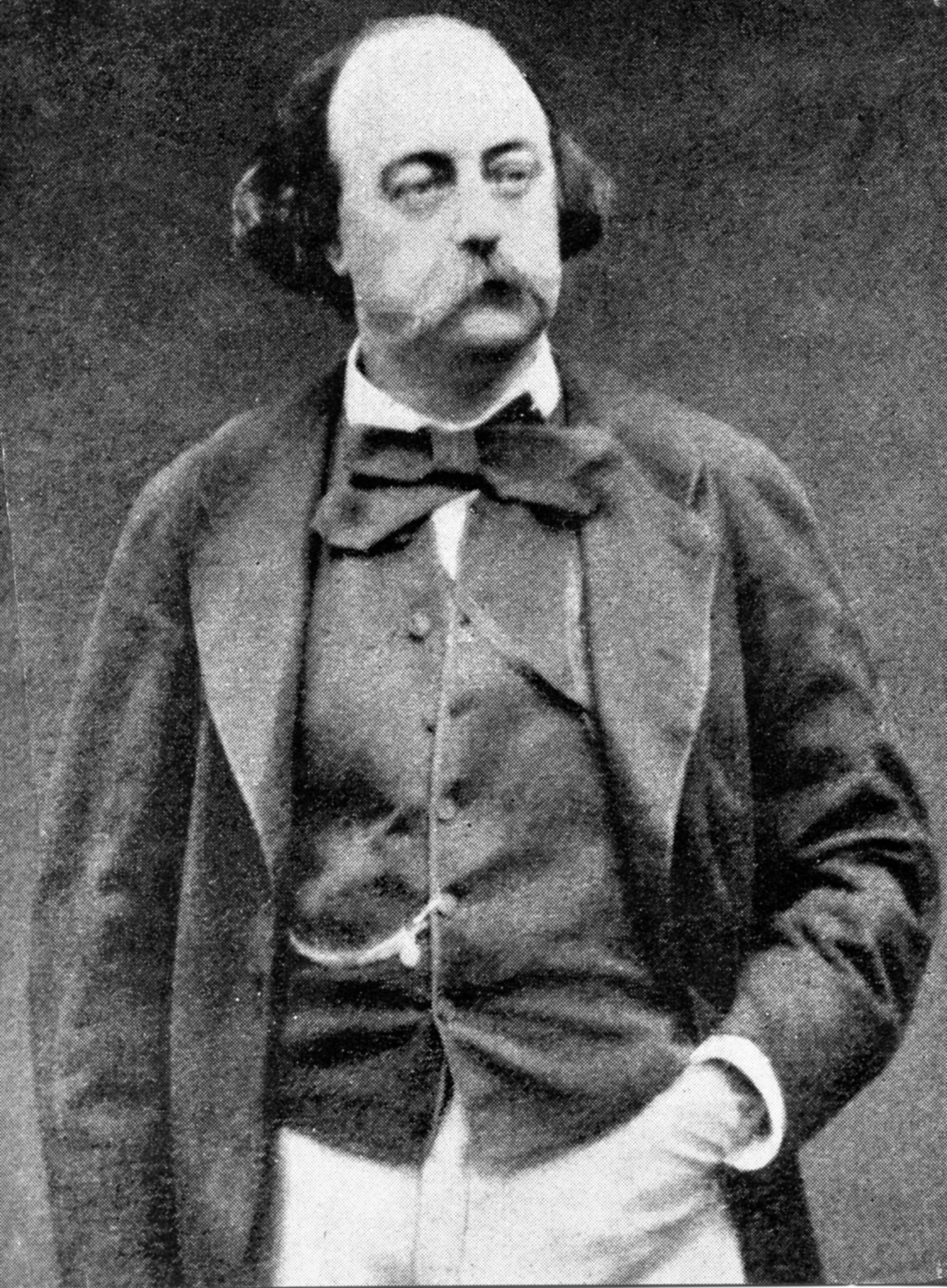
Image“Be regular and orderly in your life, so that you may be violent and original in your work.” – Gustave Flaubert

Live a good life. This isn’t something I should have to tell you. As you make your way through the workaday world, you should strive to do no harm, treasure your relationships with family and friends, seek calming pleasures that contribute to peace of mind, and live in harmony and balance.

Your written life? That’s a different creature all together.

Safe, tame, bland, and sometimes “it’s good” (with the unspoken “but…” attached on the end like a phantom limb) are among the worst things someone can say about your work. Whenever you write, your goal should be to provide elements that hook your audience and reels them in and after the story has been told, leaves them with an emotional takeaway.

Writing is about risk-taking, about snapping off the handbrakes, about shrugging off restraint, about leaving your internal censor bound and gagged in a tiny room, allowing your words and imagination to run amuck and wreak havoc in the world you’ve created.

If you’re not currently writing this way, what’s holding you back? What’s bridling your passion? What’s preventing you from creating bold characters, powerful phrases and dangerous situations? If not yours, then whose hand is on the lever that controls the sluice gates holding back the churning anxiety, obsession and peril your story desperately needs?

Are you trapped within the safe zone because of fear? Then allow me to geek out a moment as I quote the litany of fear, an incantation used by the religious/political sisterhood known as the Bene Gesserit from Frank Herbert’s science fiction classic, Dune:

I must not fear. Fear is the mind-killer. Fear is the little-death that brings total obliteration. I will face my fear. I will permit it to pass over me and through me. And when it has gone past I will turn the inner eye to see its path. Where the fear has gone there will be nothing. Only I will remain.

Fear is also an art-killer. It’s typically the fear of being judged by professionals, critics and peers, of not being admired by the audience for taking a controversial stance or doing horrible things to characters. But the possible opinions and tastes of everyone outside yourself shouldn’t factor in while you’re creating your story. The transfer of ownership hasn’t taken place at this point. It isn’t the reader’s story yet, it’s still yours, so why not write fiercely?

Give your characters barbed tongues and let them spit venom. Give them the courage to do all the things you would never dream of attempting, even on your most adventurous or foolhardy day. Tear their hearts out and make them suffer as you place them smack dab in the center of conflict and tension-filled drama.

Basically, I’m asking you to fish out that key that you’ve hidden in the back of a junk drawer within the deep recesses of your mind and open the door to your wildest imaginings.

You’ll come to discover that if you’re open, honest and free in your writing, yes, you will have your critics and people who won’t either like or understand your work, but you’ll also attract an audience that will come back for more.

What’s that? You need more incentive? Okay, well I didn’t want to break out the big guns but here goes:

I dare you to become more engaging and intriguing with your writing. I double-dog dare you.

See what you made me do? Happy now?

Sally forth and be writeful.

Applying Life Lessons To Your Writing

Image

If you approach online surfing with the mentality of a prospector and sift through content, letting the useless bits fall away (no judgments on the content you derive enjoyment from) the interwebz is packed to the rafters with knowledge, wisdom and lessons. It’s the wise sage of our virtual village.

Not surprisingly, a great deal of the adages that can be applied to your life can also be applied to your everyday writing, be it screen, creative, novel, short story, blogging, etc.

The goal of a post like this isn’t to sugar coat how difficult and torturous writing can be at times, there’s no masking that truth. Your takeaway from this should be that your approach to and mental outlook on writing needs to become a positive thing, if it isn’t already.

“There is time enough for everything in the course of the day, if you do but one thing at once, but there is not time enough in the year, if you will do two things at a time”

Unlike Lord Chesterfield, to whom the above quote is attributed, I’m not opposed to multitasking, and I’m sure you’re a marvel at juggling several things at a time, but when you sit down to write, that’s all you should be focused on.

“But,” you say, “I’m a chronic multitasker!” Don’t worry, I’m not trying to strip you of your royal heritage, but it is essential to develop a meditative focus when it comes to act of writing. You’re creating a world, sharing an experience, and/or teaching a lesson to your reader, and they deserve your full attention, don’t they?

Nothing ventured, nothing gained/You only get out of life what you put into it.

What exactly can you put into your writing?  The answer to that question is up to you. Hard work, determination, and a positive attitude are a few things that come to mind. Doing the donkey work and writing everyday, come hell or high water, are the breadcrumbs you lay down to attract the muse.

“There are no mistakes. The events we bring upon ourselves, no matter how unpleasant, are necessary in order to learn what we need to learn; whatever steps we take, they’re necessary to reach the places we’ve chosen to go.” –Richard Bach

You will make mistakes in your writing. That fact is as certain as one day you will die (but not for a long, long, long time, knock wood). All the missteps in tackling a story you couldn’t work out an ending for, creating characters that refuse to talk to you, stories that lie as flat as road kill, and even writing that makes you absolutely retch. Embrace it all. Mistakes are your teachers along the rocky path of becoming a successful writer. To be clear, being successful has nothing to do with publication, sales, or fame. Sure, that stuff’s awful nice to have (great job if you can get it) but satisfying your inner critic is the mark of true success, in my humble opinion.

“People deal too much with the negative, with what is wrong. Why not try and see positive things, to just touch those things and make them bloom?” — Nhat Hanh

Yup, we’re back on that positivity kick again. Why? Because it’s your cheerleader when you absolutely hate your work, your rah-rah section when you’re slogging through difficult writing, and your attaboy when you finally clear the briar patch of a formerly impossible writing task. The responsibility rests upon your shoulders to become your biggest fan throughout all the writing stages–brainstorming, outlining, character development, the draft, and yes, even editing.

I could list others, but I think you get the point and you’re smart enough to figure the rest out on your own. Good luck, and stay positive.

Sally forth and be writeful.

I Question Your Character (and so should you)

Image

As stated in a previous post, hand in hand with creating a strong premise for your story, developing believable characters to fill your imaginary world is an essential part of constructing fiction. The best way for your audience to identify with characters lies in your ability to understand them fully, and the best way for you to accomplish this is to talk to them, or better yet, ask them a series of questions. It’s important that you don’t allow them be evasive and certainly do not take no for an answer.

Don’t worry, you won’t be asking them complicated things like their strategy on balancing the nation’s budget, why the burning sun doesn’t incinerate itself, or how do you solve a problem like Maria? The list of questions below are relatively basic, some which have occurred to you and others that most likely haven’t. And even though most of their answers aren’t particularly relevant to your story and probably won’t come up in conversation, it will aid you in understanding the inner workings of their nonexistent minds.

You’ll notice that the questions have been broken up into bite-sized nuggets, thus making the task of developing your characters less insurmountable, and offering you a coffee or ciggie butt break between your interrogation, should you need it. Now, without further ado:

101 Character Development Questions (grill ‘em like a steak!)

Character Development Questions #1 – The Basics

These are the first questions you need to answer about your character – the stuff you probably need to know to get started.

  1. Name?
  2. Age?
  3. Approximate height?
  4. Approximate weight?
  5. Hair color?
  6. Eye color?
  7. Skin tone?
  8. Do they speak with an accent?
  9. Where are they from?
  10. Where are they now?

Character Development Questions #2 – Backstory

Developing a solid backstory for your characters is essential – even if you don’t put much or any of it in the narrative. The more you treat your character as though they are a real person, the more real they’ll become.

  1. Who are their parents? Biologically and socially.
  2. What is their earliest memory?
  3. What did they want to be when they grew up?
  4. What did/do their parents want them to be?
  5. Do they have siblings? Older or younger? Brothers or sisters?
  6. Do they have or have they ever had children? How many?
  7. Do they or have ever had a significant other? Are they still with them? Why? Why not?
  8. What were they doing right before the story starts?
  9. Up until now, what’s the most noteworthy thing they’ve done? To them? To the people around them?
  10. What was their education like?

Character Development Questions #3 – Tastes

Your characters likes and dislikes is possibly the most overt part of ‘who they are’.

  1. What’s your character’s favorite color?
  2. Do they/would they choose to wear a scent? What would it be?
  3. Do they care about what things look like? All things, or only some?
  4. What’s their favorite ice cream flavor?
  5. Are they a tea, or coffee drinker? Or soft drinks, or do they drink a lot of alcohol? What kind?
  6. What kind of books do they read? What TV shows and movies do they watch?
  7. What kind of music do they like? Do they like music at all?
  8. If they were about to die, what would they have as their last meal?
  9. Are they hedonistic? In all cases? Or does practicality sometimes/always/often win out?
  10. Do they have any philias or phobias?

Character Development Questions #4 – Morals, Beliefs, and Faith

A character’s moral code and beliefs can offer a lot of insights on their motives, and the likelihood of their taking a given course of action.

  1. Do they have an internal (something that they’ve come up with for themselves) or an external (something handed to them via religion, family traits, etc.) moral code?
  2. To what extent are their actions dictated by this code?
  3. Do they believe in a God or Gods/Goddesses/Higher being of some description?
  4. Are they superstitious?
  5. Do they value faith/instinct more highly than reason?
  6. Do they believe in an afterlife? If so, what’s it like?
  7. Do they have any specific beliefs that manifest obviously?
  8. Are the respectful of the beliefs of others? To what extent?
  9. Have they ever had to stand up to criticism for being religious? Or not being religious?
  10. Would they be more likely to act for the good of the one, or the good of the many?

Character Development Questions #5 – Relationships

It would be difficult to write a character who never interacted with anyone else. We learn more about a character from the way other people react to them than by their actions alone.

  1. Do they make friends easily?
  2. Do they have a best friend?
  3. Can they get people to do what they want them to? If so, how?
  4. Do they have a lot of romantic relationships? Serious, or short term?
  5. Do they fall in and out of love easily?
  6. Do strangers and acquaintances actually like them when they meet?
  7. Do they have a network (people they’re connected to without necessarily knowing)?
  8. What is their relationship like with their family?
  9. Are they still in touch with non-family people they were in touch with a year ago? Five years? Ten? More?
  10. Do they like children? Do they want children of their own?

Character Development Questions #6 – Physical Appearance

Time to play dress up!

  1. How does this character dress? How would they choose to dress, if all options were open to them?
  2. Do they have any tattoos? What do they mean?
  3. Do they have piercings? How many? Is this culturally appropriate for them?
  4. Do they have scars? Where did they come from?
  5. Do they alter their appearance in some way on a regular basis (make up, hair dye, etc.)?
  6. Is there something they’d choose to change about their appearance if they had the opportunity to?
  7. Is there something about their appearance they’re particularly proud of/happy with?
  8. Objectively, are they physically attractive? Fairly plain? Unattractive?
  9. Do they have an accurate mental picture and opinion of their physical appearance?
  10. How much time do they spend thinking about their physical appearance?

Character Development Questions #7 – General Knowledge

How well acquainted is your character with the world around them?

  1. Can they navigate their own local area without getting lost? To what degree?
  2. Do they know who the top politician or monarch is where they live? What about elsewhere?
  3. Do they know if/where there are any major conflicts going on right now?
  4. Do they know the composition of water?
  5. Do they know how to eat a pomegranate (or any other tricky item of food)?
  6. Are they good with the technology available to them? Average? Completely hopeless?
  7. Could they paint a house… without making a mess of it?
  8. Could they bake a cake? Would you eat it if they did?
  9. Do they know how to perform basic maintenance on the common mode of transportation?
  10. Do they know the price of a loaf of bread?

Character Development Questions #8 – Specific Knowledge

What about special skills?

  1. Do they have a specific qualification in a narrow area?
  2. Is there something they do or know exceptionally well that most other people don’t?
  3. Do people often comment on a particular skill or area of knowledge to this character? Behind their back?
  4. Is there an area this character could be considered top of their field or a genius in?
  5. Have they deliberately sought to gain knowledge in a specific area? If so, why?
  6. Do they speak more than one language? More than two? Why?
  7. Does their cultural background effect what they would be expected to know?
  8. Have they ever been publicly acknowledged for being well-versed in something?
  9. Have they ever been bullied for knowing a lot about something?
  10. Do they actively seek new knowledge, or let it come to them naturally?

Character Development Questions #9 – “What if…” Questions

These questions are designed to give you a different perspective on why certain things are important about your character – or why they’re not.

  1. What if they’d been born with a different biological sex?
  2. What if they’d have more or less siblings?
  3. What if a key formative event in their past had gone differently?
  4. What if they lost a limb?
  5. What if someone close to them died unexpectedly?
  6. What if they’d been born 50 years earlier? 100 years? 1000?
  7. What if they’d done something completely different on the morning when the story starts?
  8. What if they found enough money to make them wealthy for the rest of their life in a bag?
  9. What if they were stranded and deserted?
  10. What if they were betrayed by someone they trusted?

Character Development Questions #10 – Miscellany

These are just questions that any real person would likely be able to answer, but a fictional character often can’t.

  1. What did they have for breakfast this morning?
  2. What ridiculous beliefs did they have as a child?
  3. Do they like marshmallow treats?
  4. Do they sleep on their side, front, or back?
  5. Do they work better with sound or silence?
  6. Do they have a strange obsession with something minor?
  7. Do they like art?
  8. How fast can they run?
  9. Do they prefer to sit on the floor or on a chair?
  10. What do they want, right now?

Question 101 – Why Should Give A Tinker’s Damn About Your Character?

Don’t get offended, it’s a valid question. What makes your character interesting? Am I supposed to like them, or hate them? Why?

————————————————————————-

Congrats! You’ve made it to the end of the tedious, yet invaluable character question list. Hopefully it helps. Now stop standing around here gawking. Sally forth and be writeful.

Enjoy your holiday weekend (and you really should have invited me over for barbeque. Next year, eh?)

10 Reasons You Might Be A Writer (with apologies to Mssr. Foxworthy)

Image

“As a writer, I need an enormous amount of time alone. Writing is 90 percent procrastination: reading magazines, eating cereal out of the box, watching infomercials. It’s a matter of doing everything you can to avoid writing, until it is about four in the morning and you reach the point where you have to write. Having anybody watching that or attempting to share it with me would be grisly.” ― Paul Rudnick

You very well might be a writer if…

  1. You find yourself constantly editing, be it in your car, cruising down the street when rolling past a misspelled sign, or stumbling upon grammatical no-no’s on the interwebz, and you fix these errors constantly in your mind—and not always quietly.
  2. You collect things—social interactions, dialogue, life events, and basically anything you spy with thy little eye—and you file them away neatly in a folder, either physical or mental, for later use.
  3. You take a mental step back from your life experiences, examining them with a Holmesian eye and puzzle out how to properly describe the events in words for maximum clarity and impact.
  4. Your imagination is like the Energizer Bunny (is that critter still around? Never get old, seriously) and it can’t stop, won’t stop providing your brain with entertainment and fresh ideas so there’s never a mental dull moment.
  5. After reading a good book, you’re struck with the sudden desire to write. It happens.
  6. You often hear voices in your head… belonging to the characters in your latest story. They just won’t shut up, carrying on conversations with one another, whether you’re ready to capture it on paper or not.
  7. You get sideswiped by a truckload of guilt when procrastination becomes your master and you haven’t written anything for a while, and your inner nag kicks into overtime, pressuring you to get back to business!
  8. You laugh at grammar jokes. Don’t be ashamed, they’re funny.
  9. Everything inspires you. Books, song lyrics, movies, tv programs, street ads… they all fill your head with new ideas.
  10. And chiefly, you very well might be a writer if you simply keep writing, regardless of being published, or lack of praise or a support network. Even if you do not net one thin dime, you write anyway, because what sense would this world make if you didn’t write about it?

21 Writing Lessons A Wise Man Would Share (and no, I’m not calling myself wise)

270497_5510453_lz

  1. Commitment is what transforms an idea floating around in your head into reality. Putting pen to paper speaks boldly of your intentions and are the actions which speak louder than the words. It is making the time when there is none. Coming through time after time after time, year after year after year. Commitment is the stuff character is made of; the power to shape ethereal things. It is the daily triumph of integrity over skepticism.
  2. No one is perfect. The quicker this is realized the faster you can get on with being excellent. Start every morning ready to write harder than you did the day before and plot further than you ever imagine.
  3. Avoid over explaining yourself in writing. Be confident that your audience is intelligent enough to understand.
  4. Write down what’s most important to you in your writing career and the steps to accomplish that goal and show up. Sometimes we tend to do the things that are most important to us when it’s written down.
  5. Play the hand you’re dealt. Stop envying someone else’s talent or success. Have the courage to face your own writing challenges head on. It builds character. Start looking for a way through instead of a way out.
  6. Become a student of life. Learn something new every day. The day you stop learning is the day you become obsolete so keep learning and keep writing.
  7. No excuses. Stop making excuses for not writing and replace them with ways to do better writing. Excuses are a waste of time and energy.
  8. Never be ashamed to tell anyone you’re a writer, whether you’re published or not. The definition of a writer is a person who writes or is able to write. Being ashamed to acknowledge this fact to people speaks to self-doubt, which is a desire killer.
  9. Never be afraid of a writing challenge. If you never strive to be more than what you are, you’ll never truly know what you can become.
  10. Service to others. Pointing people in the right direction is such a small thing. Give advice to those who ask for it. Offer support to those who want it. We’re all here to teach as well as learn.
  11. Work like hell. If you want to earn a living as a writer, that is. Treat it like a profession, put your absolute best foot forward and be thorough. Cross every “T” and dot every “I”.
  12. Discover you. Find your passion, life purpose, and pursue them… then write about them.
  13. Don’t take it personally. Don’t be afraid to acknowledge and laugh at something that you’ve written in the past that’s just plain awful. Self-awareness and self-confidence shows that you’re comfortable in your own skin.
  14. Manage your time. Our situation and environment is ever changing so be careful not to confuse the things that are urgent with the things that are important. Look for time wasters and eliminate them.
  15. Ask for help. Writing can be tough and although you do a majority of it alone, you should never write in a total vacuum and there’s no shame in seeking advice when you’re stuck.
  16. Do your homework. Know what you’re getting into before you start writing in a particular field, format or genre. Doing your homework reduces uncertainty and fear.
  17. Daydream often. Your imagination is a muscle that requires exercise and daydreaming is an excellent way to flex. Embrace and preserve your daydreams at all cost.
  18. Forgive and set free. Freeing your mind to write is almost as important as actually sitting down to write, so cultivate a healthy dose of forgiveness and set someone free. Learn to forgive others and stop carrying those bags of hate, guilt or regret.
  19. Stay one step ahead. Avoid big fish/small pond thinking if at all possible. If you’ve mastered a particular style of writing, why not be proactive, take the initiative, and see what other types of writing challenges are out there for you?
  20. Self-love. Become your own priority. Strive to be the you, you want to be. Once you accomplish this, it will show in your writing, trust me.
  21. Finish what you started. Avoid the urge to stray. Distractions are the writer’s most fearsome adversary. Avoid jumping off a project because a better idea has come along. Jot the better idea down, set it aside, and come back to it when you’re done with your current project.

Sally forth and be wisely writeful.

— Rhyan Scorpio-Rhys


The Three Simple Facts Of Writing

Today’s entry is a shortie because I’m busy wrestling with a wordy bastard of a story that refuses to be tamed but I’m in a particularly stubborn mood, so challenge met!

That said, I offer you my three simple facts of writing:

  1. If you do not write the story you truly want to write, it will never be read. You can’t have the unwashed masses confirm your greatness when you haven’t given them anything to be in awe of.
  2. If you don’t submit your work—–for review, publication, employment, or whatever—–the answer will always be no. The cruelest rejection you can ever receive is from yourself, the toughest critic you’ll ever know. If you never show your work, you never give an editor, publisher, prodco, or whatever, the chance to say yes (exercise caution, of course, and protect your writing before letting it fly out into the world).
  3. If you don’t write, you’ll never be a writer. Plain and simple. Also, many, many, many years from now, when you’re lying on your deathbed, do you really want a box of regret—–filled with all the unwritten stories of your life—–hanging over your head like the sword of Damocles? I think not.

Sally forth and be writeful.

— Rhyan Scorpio-Rhys

50 Questions That Can Help Free Your Mind (to concentrate on writing… hopefully)

The common advice for freeing your mind to write is to create a journal. I’m fairly certain that most of you have either 1) created a journal that you may or may not keep current, or 2) heard the advice and decided journaling isn’t for you (hey, it happens).

So, what other options do you have when you’ve lost your self in a quagmire of self-pity, mundane daily obligations and insurmountable life woes and can’t quite seem to maintain your true identify or nurture your creative center?

Why, you slap on your pith helmet, turn your gaze inward, and explore that largely ignored country of your core self, naturally. And the best way to accomplish this is with the list below. Why a list? Because you’re a writer and writers love lists.

Be advised that there are no right or wrong answers because sometimes simply asking the right questions is the answer.

  1. How old would you be if you didn’t know how old you are?
  2. Which is worse, failing or never trying?
  3. If life is so short, why do we do so many things we don’t like and like so many things we don’t do?
  4. When it’s all said and done, will you have said more than you’ve done?
  5. What is the one thing you would most like to change about the world?
  6. If happiness was the national currency, what kind of work would make you rich?
  7. Are you doing what you believe in, or are you settling for what you are doing?
  8. If the average human life span was 40 years, how would you live your life differently?
  9. To what degree have you actually controlled the course your life has taken?
  10. Are you more worried about doing things right, or doing the right things?
  11. You are having lunch with three people you respect and admire. They all start criticizing a close friend of yours, not knowing she is your friend. The criticism is distasteful and unjustified. What do you do?
  12. If you could offer a newborn child only one piece of advice, what would it be?
  13. Would you break the law to save a loved one?
  14. Have you ever seen insanity where you later saw creativity?
  15. What is something you know you do differently than most people?
  16. How come the things that make you happy don’t make everyone happy?
  17. What is one thing have you not done that you really want to do? What’s holding you back?
  18. Are you holding onto something you need to let go of?
  19. If you had to move to a state or country besides the one you currently live in, where would you move and why?
  20. Do you push the elevator button more than once? Do you really believe it makes the elevator faster?
  21. Would you rather be a worried genius or a joyful simpleton?
  22. Why are you, you?
  23. Have you been the kind of friend you want as a friend?
  24. Which is worse, when a good friend moves away, or losing touch with a good friend who lives right near you?
  25. What are you most grateful for?
  26. Would you rather lose all of your old memories, or never be able to make new ones?
  27. Is it possible to know the truth without challenging it first?
  28. Has your greatest fear ever come true?
  29. Do you remember that time 5 years ago when you were extremely upset? Does it really matter now?
  30. What is your happiest childhood memory? What makes it so special?
  31. At what time in your recent past have you felt most passionate and alive?
  32. If not now, then when?
  33. If you haven’t achieved it yet, what do you have to lose?
  34. Have you ever been with someone, said nothing, and walked away feeling like you just had the best conversation ever?
  35. Why do religions that support love cause so many wars?
  36. Is it possible to know, without a doubt, what is good and what is evil?
  37. If you just won a million dollars, would you quit your job?
  38. Would you rather have less work to do, or more work you actually enjoy doing?
  39. Do you feel like you’ve lived this day a hundred times before?
  40. When was the last time you marched into the dark with only the soft glow of an idea you strongly believed in?
  41. If you knew that everyone you know was going to die tomorrow, who would you visit today?
  42. Would you be willing to reduce your life expectancy by 10 years to become extremely attractive or famous?
  43. What is the difference between being alive and truly living?
  44. When is it time to stop calculating risk and rewards, and just go ahead and do what you know is right?
  45. If we learn from our mistakes, why are we always so afraid to make a mistake?
  46. What would you do differently if you knew nobody would judge you?
  47. When was the last time you noticed the sound of your own breathing?
  48. What do you love? Have any of your recent actions openly expressed this love?
  49. In 5 years from now, will you remember what you did yesterday? What about the day before that? Or the day before that?
  50. Decisions are being made right now. The question is: Are you making them for yourself, or are you letting others make them for you?

Sally forth and be free-mindedly writeful.

— Rhyan Scorpio-Rhys

The Arrogance of Presumption

write_wicked_good_black_logo_bumper_sticker-rda7a88b1f4ad4c758065ba89ce3a5282_v9wht_8byvr_512

“There is no excuse. If you want to write, write. This is your life, you are responsible for it. You will not live forever. Don’t wait. Make the time now.” ― Natalie Goldberg

On occasion, people stuck in a writing rut seek advice, which has become harder to dispense without sounding like a scribe’s bumper-sticker, especially since you can’t swing Schrödinger’s cat on the interwebz without hitting hundreds of inspirational tips and tidbits.

The simple, honest and truest bit of advice is to write. Write when you’re too tired to write. Write when writing hates your very existence. Write when words have moved out of your head in the wee hours of the night and left no forwarding address. Write when every word you put to paper is like pulling teeth. Write when your inner critic is telling you you’re a talentless shit. Write when the words refuse to make sense. Just write.

But no one wants to hear that because it isn’t a magical solution offered up by a Bagger Vance muse that makes all the tumblers in their befuddled minds line up and open the creative sluice gates.

Which leaves the long way around:

So, things aren’t going your way with your writing and you might be inclined to mope around the house and bask in self-pity for What Might Have Been, but there’s no reason to get down on yourself. Wipe your tears on your sleeves, buck up and realize today marks the start of a whole new ball game. All the old bets are off. You’re back at square one and it’s time to get a new bottom line. Take all your expectation and aspiration and lay them out like cards on a table. This is the first step towards putting the pedal to the metal. You’ve got to make no bones about what you truly wish to accomplish with your writing—–aside from the ludicrous notion of instant riches and fame—–and pull no punches with yourself on the hard work needed to make your dream a reality. And if I can toss in one more tired cliché, your ship doesn’t always come in… sometimes you have to swim out and meet it halfway.

As a writer it’s important to strike a balance between the creative and rational minds. The problem with the creative mind is that it’s equipped with the arrogance of presumption that it knows all there is to know and sometimes it becomes difficult to suspend tyranny long enough to receive messages from life, the universe, the inner muse, and—if you can stretch your fantasy muscles around the strange-but-true notion—your future self. Scoff all you like, but the part of you that exists on a higher plane of consciousness occasionally tries to contact you in order to provide panoramic views of the far horizon. The messages may be brief and strange, or they may appear in a matter-of-fact guise in the midst of your daily routine. Either way, if you turn a blind eye to the minute workings of the world all around you, you may be missing pithy pointers on how to shape your life’s mission to become a happy writer—–note that I didn’t say a successful writer, writing should first and foremost lead to happiness and fulfillment—–in the near and distant future.

A more metaphorical view on encountering obstacles in moving your writing forward is akin to walking in the deep dark forest and encountering a savvy old crone camouflaged as a wolf. Your fear, already swarming because of the unfamiliarity of your surroundings, kicks instantly into high gear, causing you to flee before you can see through the disguise. But now that you know the truth, go back and find the crone again. She has much to teach you about harvesting the treasure that comes from the deep recesses of the creative mind and taking aggressive measures to build up your confidence and mental wellness. Stop talking about and start manifesting the dream, and get as bawdy and funky as you dare.

Those last three paragraphs are a bit cringe-inducing, aren’t they? And they sound like a load of gibberishy nonsense. So, why not take the simple advice and…

Just write.

Sally forth and be writeful.

— Rhyan Scorpio-Rhys

No Such Creature As A Bad Analogy (only funny ones)

“Analogies prove nothing, that is true, but they can make one feel more at home.” —–  Sigmund Freud

Normally I shy away from passing on emails and memes, but this one struck me as funny, so I decided to share it. As I’m sure you’re all aware, an analogy is a comparison between two things, typically on the basis of their structure, as a bridge between familiar situations and new ones.

The following list of analogies was allegedly collected by real high school English teachers from their students’ writings.

  1. Her face was a perfect oval, like a circle that had its two sides gently compressed by a ThighMaster.
  2. His thoughts tumbled in his head, making and breaking alliances like underpants in a dryer without Cling Free.
  3. He spoke with the wisdom that can only come from experience, like a guy who went blind because he looked at a solar eclipse without one of those boxes with a pinhole in it and now goes around the country speaking at high schools about the dangers of looking at a solar eclipse without one of those boxes with a pinhole in it.
  4. She grew on him like she was a colony of E. Coli, and he was room-temperature Canadian beef.
  5. She had a deep, throaty, genuine laugh, like that sound a dog makes just before it throws up.
  6. Her vocabulary was as bad as, like, whatever.
  7. He was as tall as a six-foot, three-inch tree.
  8. The revelation that his marriage of 30 years had disintegrated because of his wife’s infidelity came as a rude shock, like a surcharge at a formerly surcharge-free ATM machine.
  9. The little boat gently drifted across the pond exactly the way a bowling ball wouldn’t.
  10. McBride fell 12 stories, hitting the pavement like a Hefty bag filled with vegetable soup.
  11. From the attic came an unearthly howl. The whole scene had an eerie, surreal quality, like when you’re on vacation in another city and Jeopardy comes on at 7:00 p.m. instead of 7:30.
  12. Her hair glistened in the rain like a nose hair after a sneeze.
  13. The hailstones leaped from the pavement, just like maggots when you fry them in hot grease.
  14. Long separated by cruel fate, the star-crossed lovers raced across the grassy field toward each other like two freight trains, one having left Cleveland at 6:36 p.m. traveling at 55 mph, the other from Topeka at 4:19 p.m. at a speed of 35 mph.
  15. They lived in a typical suburban neighborhood with picket fences that resembled Nancy Kerrigan’s teeth.
  16. John and Mary had never met. They were like two hummingbirds who had also never met.
  17. He fell for her like his heart was a mob informant, and she was the East River.
  18. Even in his last years, Granddad had a mind like a steel trap, only one that had been left out so long it had rusted shut.
  19. Shots rang out, as shots are wont to do.
  20. The plan was simple, like my brother-in-law Phil. But unlike Phil, this plan just might work.
  21. The young fighter had a hungry look, the kind you get from not eating for a while.
  22. He was as lame as a duck. Not the metaphorical lame duck, either, but a real duck that was actually lame, maybe from stepping on a land mine or something.
  23. The ballerina rose gracefully en Pointe and extended one slender leg behind her, like a dog at a fire hydrant.
  24. It was an American tradition, like fathers chasing kids around with power tools.
  25. He was deeply in love. When she spoke, he thought he heard bells, as if she were a garbage truck backing up.

Sally forth and be writeful.

— Rhyan Scorpio-Rhys