24 Truths About Being a Writer

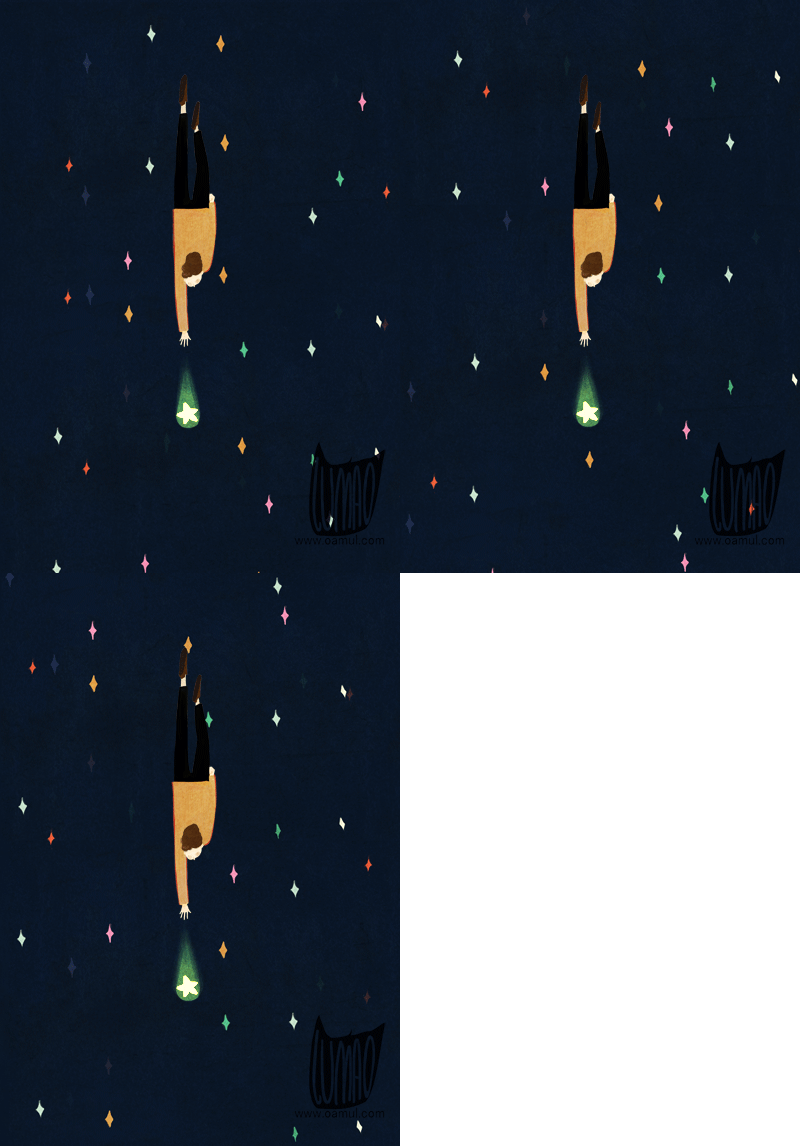
Danbo’s Sadness ©2011 Error-23

“The great thing about being a writer is that you have a long, perhaps frighteningly long time in which to do your work.” —- Julia Leigh

  1. Your writing will mature (mature should not be mistaken for get better).
  2. You will receive a rejection letter once in your life (it will actually be more than once, much more, but I wanted to break the news to you gently).
  3. You will be asked to write outside your genre/comfort zone and the criticism you receive from it will cause you to doubt your talent.
  4. You will eventually write something that you will regret.
  5. You will be envious of a hot new fad writer whose name you won’t remember in 20 years.
  6. Your friends will think one of your characters was modeled on them and will reevaluate your friendship based on how the character is treated in the story.
  7. The content of your writing will isolate you once in a while.
  8. Your opinions of writers whose work you dislike will change once you get to know them.
  9. You’re going to run into someone who absolutely despises your work.
  10. You’re going to regret letting an editor pressure you into chopping down what you consider to be a perfect story.
  11. You’re going to read one book in a genre that holds no interest for you that you actually enjoy.
  12. Some people are going to think you’re a talentless hack, and other people are going to think you’re a genius. Either take both camps or neither one seriously.
  13. You’re never going to finish all your stories. Despite your best efforts.
  14. Someone’s opinion of your work will tear out your soul and you’re going to need a hug from your mom, significant other, or a really good friend.
  15. You’re going to bullshit your way through at least one writing assignment and pray that you sound like you know what you’re talking about.
  16. You’re going to get lost in the middle of a story you’re writing and meander through the plot until you find your direction again.
  17. You’re going to reenact a scene from your story all alone in your room when no one else is around.
  18. You’re going to write the most raw and unapologetic story ever that will make you cringe in five years.
  19. You’re never going to stop looking for yourself.
  20. You’re a writer, so stop trying so hard to be famous, expecting success to happen so quickly (or at all), and getting down on yourself so often.
  21. You’re going to be ashamed to tell people you’re a writer. Break that habit and walk with your head held high.
  22. You’re going to talk shit about other writers. Quit it. Yes, Stevie King, I’m looking at you. Put your pea shooter away.
  23. You’re going to become a hermit. Take a walk outside.
  24. You’re going to fall in love with your stories, characters, ideas, and speculative elements and one day you might really figure out how to love yourself the same way.

Sally forth and be writeful.

— Rhyan Scorpio-Rhys

Setting Your Mind the Write Way

Empty-frame

“Discipline allows magic. To be a writer is to be the very best of assassins. You do not sit down and write every day to force the Muse to show up. You get into the habit of writing every day so that when she shows up, you have the maximum chance of catching her, bashing her on the head, and squeezing every last drop out of that bitch.” — Lili St. Crow

The simple definition of what constitutes being a writer is:

A writer writes.

While I find this answer simple, honest and direct, it is not wholly true. You can, in fact, be a frustrated writer, a person who has writing on their minds but hasn’t yet made the time to commit their words to the page. That’s okay because it’s never too late to start. While I can’t speak to why you personally need to write, I can offer my opinion of why you should write.

It’s life changing.

Writing helps you reflect on your life and the changes you’re making. It clarifies your thinking. Doing it regularly makes you better at it. Crafting words for an audience helps you think from a reader’s perspective. Writing daily stimulates the brain into coming up with new ideas regularly and helps you work on your problem-solving skills.

The only thing standing between the thought of writing and the act of writing — is you. You need to plant your butt in the chair and put yourself into the proper frame of mind to write. It’s as easy as following these simple suggestions:

  1. Open yourself up to the wonder that surrounds you. Reconnect with that childlike curiosity. Be present and engaged in your life and the world.
  2. Understand that criticism isn’t your enemy. Accept it as it comes, learn from it and grow.
  3. Be passionate. About people. About life. About yourself.
  4. Stop hiding from fear. Face it, experience it, overcome it, then write about it.
  5. Stop trying to be normal. There’s no such creature.
  6. There isn’t a reason not to write. Don’t make excuses. Don’t accept them either.
  7. Pack your bags and move out of your comfort zone.
  8. Learn to approach writing with an attitude of gratitude. It’s a pleasure to write, not a chore.
  9. That person who stares back at you in the mirror? That’s not who you are, it’s who you used to be. Make a habit out of shocking yourself by taking risks.
  10. Fall in love with reading and the act of writing. Whenever you push the pen on paper, do it like you’re on your first date.
  11. New experiences create new story ideas. Expose yourself to as many as possible.
  12. You have a darkness inside you. We all do. Step boldly into the dark corners and explore the traits and characteristics you tamp down in an effort to fit into society. There’s juicy material just waiting to be excavated.
  13. Recognize when it’s time to take a breather. Stepping away and occupying your mind with something else allows you to return with a fresh perspective. Don’t stay away too long, though.
  14. Creatio ex interitus. From destruction comes creation. Make a habit of destroying something when you write, then build something new from the debris.
  15. Take no experience for granted, not even the mundane ones.
  16. Stop envying what other people have or what they’re doing with their lives. Concentrate on being you and be happy with yourself. Seriously.
  17. No retreat, no surrender. If I may be so bold as to quote Ed Harris from James Cameron’s The Abyss, “You never backed away from anything in your life! Now fight!” Never Give up, no matter what.

Sally forth and be writeful.

— Rhyan Scorpio-Rhys

A Writer Must Be Like God in the Universe

“The author, in his work, must be like God in the Universe, present everywhere and visible nowhere.” —- Gustave Flaubert

In your ordinary everyday existence, you’re merely a person, be it lawful, chaotic, neutral, friendly or antisocial. But when you write, you become something far greater than self. You ascend to the highest self possible and become the god of the universe(s) you create. You know all there is to know and have the ability to think anything into being, and being omniscient, you know full well the folly of making a personal appearance to your characters.

On occasion you may opt to visit your world in the form of a raisonneur or Author Avatar—-a fictionalized version of yourself who is called upon to comment on a given situation, deliver your verdict, and possibly break the Fourth Wall in a self-deprecating fashion, but should never influence the plot and should only be loosely tied to events.

Because you’re god of your universe(s), you also work in mysterious ways by playing the role of The Adversary. You are the force that opposes you. With regards to your characters, in this role you are duplicitous, traitorous, hindersome, curmudgeonly, vindictive, mutinous, licentious, and profane. How can that not sound exciting?

What are you waiting for? Sally forth and be god playingly writeful.

— Rhyan Scorpio-Rhys

PS. If you’re experiencing difficulty accessing your inner godhood, perhaps a quick pep talk from Alan Watts will help you on your path:

Speak Boldly of Your Intention to Write

“There’s a difference between interest and commitment. When you’re interested in doing something, you do it only when it’s convenient. When you’re committed to something, you accept no excuses – only results.”  —–Kenneth H. Blanchard

Commitment is what transforms an idea floating around in your head into reality. Putting pen to paper speaks boldly of your intentions and are the actions which speak louder than the words. It’s making the time when there is none. Coming through time after time after time, year after year after year. Commitment is the stuff character is made of; the power to shape ethereal things. It’s the daily triumph of integrity over skepticism.

So, how committed are you?

Sally forth and be writeful.

— Rhyan Scorpio-Rhys

A Health Dose of Realism About Writing

  1. Arrogant new aspiring writers usually don’t have decent stories
  2. Shy, unsure aspiring writers anxious to get feedback are more likely to have a decent story
  3. Aspiring writers unable to write decent descriptive prose haven’t found their voice yet
  4. Most new aspiring writer stories have no second act
  5. Most new aspiring writers are under the delusion their idea is more original than it is
  6. Many new aspiring writers, regardless of age, haven’t read the classics, especially within their preferred genre
  7. Because an aspiring writer is an avid reader does not mean they’re a good writer
  8. Fanboys don’t necessarily make good writers; they’re inspired but imitative
  9. Most new aspiring writers with novel manuscripts over 110,000 words don’t have a handle on their story
  10. Many new aspiring writers read too many how-to books and get totally confused
  11. New aspiring writers hate to kill their darlings and their pages are over-populated with them
  12. Experienced writers hate to kill their darlings but do it before asked
  13. First time aspiring writers usually tell biographical stories
  14. Gory, ultra-violent horror is most often written by young men under the age of 25
  15. Dull romantic dramas are most often written by women over the age of 45
  16. Unfunny romcoms are most often written by young men under the age of 25
  17. Action stories are almost always written by men of any age
  18. First time aspiring writers think their first novel is brilliant
  19. Experienced writers will never show you their first story – ever
  20. Experienced female writers write well in any genre
  21. Inexperienced female writers often write about love
  22. Good characters never have bad dialogue
  23. Structure is confusing for the first three stories – then something clicks
  24. Whether a writer is shy or charismatic has no bearing on the quality of writing
  25. No new writer is realistic about breaking in to the business
  26. The location or gender of the writer has no bearing on the quality of the writing
  27. Age does not define an ability to come up with fresh ideas (most fresh ideas are in fact not fresh at all)
  28. Older writers most often write true or historical stories
  29. Young male writers often imitate their favorite authors
  30. Female writers are quite capable of writing great action but rarely do
  31. Divorcees often write about romance or revenge
  32. Most writers haven’t built up a good arsenal of stories; all their eggs are in one basket
  33. New writers think getting an agent is easy and will happen within a year or so
  34. Newly agented writers think their career will automatically take off in a huge way
  35. Experienced writers know they’ll go through many agents over time
  36. Newer writers don’t test their premises or write outlines properly
  37. Writers who regard themselves as writer-savants refuse to write what’s commercial – and may very well succeed after years of failure
  38. Writers who regard themselves as auteurs refuse to embrace that this is a sales job – and melt into a pool of bitter disillusionment and hate publishing houses thereafter
  39. Wealthy writers try to buy their way into the business using the most expensive software and consultants and gurus and melt into a bitter pool of outrage
  40. Writers with disposable incomes obsessively attend conferences more than they actually write
  41. Writers who’ve been disappointed over and over hate consultants or anything designed to help them succeed and nurse outraged, red-hot victim complexes
  42. First stories generally aren’t good
  43. Second stories generally aren’t good
  44. Third stories generally aren’t as bad as the first two
  45. Writers with successful other careers feel entitled to success in getting published
  46. A writer’s determination to keep trying is in direct proportion to their talent
  47. Entitlement is in inverse proportion to talent
  48. Talent is delightful and easy to spot from the first sentence
  49. A bad story is a bad story from the first sentence

There are, of course, exceptions to every rule and this list is merely an observation. You may agree with most, some or none of it at all. If you’re able to turn a Holmesian eye upon yourself and spot a few less than stellar things that relate to you on this list, that’s the first step in making a change for the better.

Sally forth and be writeful.

— Rhyan Scorpio-Rhys

  • Boastful, cock-sure writers usually don’t have very good scripts
  • Shy, unsure writers anxious to get notes are more likely to have a good script
  • Writers who can’t write good action lines have no “voice” yet
  • Most beginning writers have no second act
  • Most beginning writers think their idea is more original than it is
  • Many writers, regardless of age, have not seen the classics
  • Because a writer is a cinefile does not mean he or she is a good writer
  • Fanboys do not necessarily make good writers; they are inspired but imitative
  • Most writers with 133 page scripts do not have a handle on their story
  • Many writers read too many how-to books and get totally confused
  • Newer writers hate to kill their darlings and their pages are crowded with them
  • Experienced writers hate to kill their darlings but do it before asked
  • Clumsy, over-written action lines are the most accurate predictor of a bad script
  • First time writers usually tell biographical stories
  • Gory, ultra-violent horror is most often written by young men under the age of 25
  • Dull romantic dramas are most often written by women over the age of 45
  • Unfunny romcoms are most often written by young men under the age of 25
  • Action scripts are almost always written by men of any age
  • First time writers think their first script is brilliant
  • Experienced writers will never show you their first script – ever
  • Writers who use camera directions secretly want to direct
  • Experienced female writers write well in any genre
  • Inexperienced female writers often write about love
  • Good characters never have bad dialogue
  • Bad dialogue is never accompanied by good characters
  • Structure is confusing for the first three scripts – then something clicks
  • Writers who can’t articulate a quick logline have sprawling, confusing scripts
  • Whether a writers is shy or charismatic has no bearing on the quality of writing
  • Good writers never include pictures, maps or music with their script
  • No new writer is realistic about breaking in to the business
  • The location or gender of the writer has no bearing on the quality of the writing
  • Age does not define an ability to come up with fresh ideas
  • Most fresh ideas are in fact not fresh at all
  • It takes a long time to understand “the same but different”
  • Older writers most often write true or historical scripts
  • Young male writers often imitate their favorite movies
  • Female writers do not write American Pie or Harold and Kumar knock-offs
  • Female writers are quite capable of writing great action but rarely do
  • Divorcees often write about romance or revenge
  • Most writers have not built up a good arsenal of scripts; all eggs are in one basket
  • New writers think getting a rep is easy and will happen within a year or so
  • Newly repped writers think their career will automatically take off in a huge way
  • Experienced writers know they will go through many reps over time
  • Younger writers often do not think send thank you notes when they get a read
  • Older writers think Hollywood is more polite than it is
  • Newer writers do not test their premises or write outlines properly
  • Writers who regard themselves as writer-savants refuse to write what’s commercial – and may very well succeed after years of failure
  • Writers who regard themselves as auteurs refuse to embrace that this is a sales job – and melt into a pool of bitter disillusionment and hate Hollywood thereafter
  • Wealthy writers try to buy their way into the business using the most expensive software and consultants and melt into a bitter pool of outrage
  • Writers with disposable incomes obsessively attend conferences and pitch fests more than they actually write
  • Writers who cannot execute a script mechanically generally don’t have a good story
  • Writers who have been disappointed over and over hate consultants or anything designed to help them succeed and nurse outraged, red-hot victim complexes
  • First scripts suck
  • Second scripts suck
  • Third script suck a little less
  • Writers with successful other careers feel entitled to success in Hollywood
  • A writer’s determination to keep trying is in direct proportion to their talent
  • Entitlement is in inverse proportion to talent
  • Young writers think that Hollywood is only for the young
  • Older writers think that Hollywood is only for the young
  • Experienced writers know that Hollywood needs good stories and that a good story and being good in a room trumps age any day
  • Talent is delightful and easy to spot on page one
  • A bad script is a bad script from page one

– See more at: http://www.justeffing.com/tag/being-realistic-about-your-writing/#sthash.EAgP2PBB.dpuf

  • Boastful, cock-sure writers usually don’t have very good scripts
  • Shy, unsure writers anxious to get notes are more likely to have a good script
  • Writers who can’t write good action lines have no “voice” yet
  • Most beginning writers have no second act
  • Most beginning writers think their idea is more original than it is
  • Many writers, regardless of age, have not seen the classics
  • Because a writer is a cinefile does not mean he or she is a good writer
  • Fanboys do not necessarily make good writers; they are inspired but imitative
  • Most writers with 133 page scripts do not have a handle on their story
  • Many writers read too many how-to books and get totally confused
  • Newer writers hate to kill their darlings and their pages are crowded with them
  • Experienced writers hate to kill their darlings but do it before asked
  • Clumsy, over-written action lines are the most accurate predictor of a bad script
  • First time writers usually tell biographical stories
  • Gory, ultra-violent horror is most often written by young men under the age of 25
  • Dull romantic dramas are most often written by women over the age of 45
  • Unfunny romcoms are most often written by young men under the age of 25
  • Action scripts are almost always written by men of any age
  • First time writers think their first script is brilliant
  • Experienced writers will never show you their first script – ever
  • Writers who use camera directions secretly want to direct
  • Experienced female writers write well in any genre
  • Inexperienced female writers often write about love
  • Good characters never have bad dialogue
  • Bad dialogue is never accompanied by good characters
  • Structure is confusing for the first three scripts – then something clicks
  • Writers who can’t articulate a quick logline have sprawling, confusing scripts
  • Whether a writers is shy or charismatic has no bearing on the quality of writing
  • Good writers never include pictures, maps or music with their script
  • No new writer is realistic about breaking in to the business
  • The location or gender of the writer has no bearing on the quality of the writing
  • Age does not define an ability to come up with fresh ideas
  • Most fresh ideas are in fact not fresh at all
  • It takes a long time to understand “the same but different”
  • Older writers most often write true or historical scripts
  • Young male writers often imitate their favorite movies
  • Female writers do not write American Pie or Harold and Kumar knock-offs
  • Female writers are quite capable of writing great action but rarely do
  • Divorcees often write about romance or revenge
  • Most writers have not built up a good arsenal of scripts; all eggs are in one basket
  • New writers think getting a rep is easy and will happen within a year or so
  • Newly repped writers think their career will automatically take off in a huge way
  • Experienced writers know they will go through many reps over time
  • Younger writers often do not think send thank you notes when they get a read
  • Older writers think Hollywood is more polite than it is
  • Newer writers do not test their premises or write outlines properly
  • Writers who regard themselves as writer-savants refuse to write what’s commercial – and may very well succeed after years of failure
  • Writers who regard themselves as auteurs refuse to embrace that this is a sales job – and melt into a pool of bitter disillusionment and hate Hollywood thereafter
  • Wealthy writers try to buy their way into the business using the most expensive software and consultants and melt into a bitter pool of outrage
  • Writers with disposable incomes obsessively attend conferences and pitch fests more than they actually write
  • Writers who cannot execute a script mechanically generally don’t have a good story
  • Writers who have been disappointed over and over hate consultants or anything designed to help them succeed and nurse outraged, red-hot victim complexes
  • First scripts suck
  • Second scripts suck
  • Third script suck a little less
  • Writers with successful other careers feel entitled to success in Hollywood
  • A writer’s determination to keep trying is in direct proportion to their talent
  • Entitlement is in inverse proportion to talent
  • Young writers think that Hollywood is only for the young
  • Older writers think that Hollywood is only for the young
  • Experienced writers know that Hollywood needs good stories and that a good story and being good in a room trumps age any day
  • Talent is delightful and easy to spot on page one
  • A bad script is a bad script from page one

– See more at: http://www.justeffing.com/tag/being-realistic-about-your-writing/#sthash.EAgP2PBB.dpuf

Do You Blindside Yourself With Your Writing? If Not, Why Not?

“Surprise yourself.  If you can bring the story – or let it bring you – to a place that amazes you, then you can surprise your reader.” —– Chuck Palahniuk

Has your writing ever blindsided you? Have your characters ever caught you off guard by saying or doing something clever or revealing a bit of information that you yourself didn’t know? When re-reading a piece that you set aside to cool, have you ever wondered where the ideas, voices, and speculative elements came from and if you have any more of that inside you?

The answer is: Of course there’s more.

Writing is a journey of discovery, and one of the great pleasures of storytelling is that you discover the amazing things that dwell in your brain, things about yourself and your thought processes that you might not otherwise uncover. And besides self-expression, isn’t that the major point of writing?

So, how do you blindside yourself with your talent? You simply let go.

Get out of your own head and write on instinct. Park the perfectionist on the soft shoulder and write your ever-loving heart out. This is part and parcel of learning to be kind to yourself as you write. Your genius can’t flow steadily with someone backseat editing the entire trip. You can always swing back around and pick up the bugger when you’re ready to begin the rewrite.

And don’t begin your story fretting about how it’ll end. Your story is smarter than you give it credit for. When it’s done, you’ll see the pop-up timer.

It’s important to keep in mind whenever you pick up a pen or touch fingertips to keyboard that you’re doing it from a position on the shoulders of the literary giants who came before you, the ones who surprised you with their words, so every time you write, you should follow their lead and surprise yourself.

Sally Forth and be surprising yourself writeful.

— Rhyan Scorpio-Rhys

PS. If you have roughly an hour to kill—-I know, it’s the internet and you’ve got memes to see and threads to troll—-you could do a lot worse than lending an ear to Ray Bradbury’s 2001 “Telling the Truth” keynote address of The Sixth Annual Writer’s Symposium by the Sea.

Not only does he counsel aspiring writers to spend their time writing lots of short stories—-even if they’re mostly bad, there’s gotta be a couple of good ones in the bunch—-but he also suggests to write with joy and for fun, and to let yourself be surprised by your writing and by life.

Sometimes Ya Just Gotta Write Badly in Order to Write Goodly

“The first draft of anything is shit.” ― Ernest Hemingway

Story ideas are like Christmas come early. You just can’t wait to unwrap them to reveal the goodies they hold. They also have the distinction of being a brand-spanking-new toy to play with. Your interest and enthusiasm levels are high and you’re chomping at the bit to transcribe your brilliant newborn onto paper. Life doesn’t get much better than this.

Then, somewhere along the way—-usually in the middle of Act 2—-the bloom is off the rose and finishing the piece becomes an arduous, nigh impossible task because either your interest has changed or your inspiration got a flat tire and you don’t have a spare in the trunk. The first telltale sign of trouble is that very last sentence you wrote that just doesn’t seem to work, no matter how you tweak it.

My advice? Let it be bad.

Your goal at this stage should be to get through your first draft as quickly as possible. It’s like that saying, you can’t see the forest for the trees. Well, that sentence or paragraph that you’re stuck writing and re-writing is the tree and you still have plenty more trees to clear before worrying about how pretty and perfect your forest is.

So, write through to the end, then you can take a step back, see the real shape of your story, and go about the process of polishing it to perfection—-or as close to that as you’re able to manage. But in order to get to that place, you first have to give yourself permission to write badly.

You can start by promising yourself you won’t tell anyone just how eye-burningly awful the first draft was and we’ll all be none the wiser. You can keep a secret, can’t you?

Sally forth and be courageously bad writeful.

— Rhyan Scorpio-Rhys

Drop From the Sky to Rescue You

tumblr_msy43iq40b1r0i205o3_400 tumblr_msy43iq40b1r0i205o6_400

“I’d run my whole life long to reach you; paddle my way across Atlantic and Pacific; traverse Jungle and Desert to find you; climb cliffs and drop from the sky to rescue you. Anything to be close to you. Any way to say I love you.” ― Heather Kris Thomas, A Place for You and Me

I was sitting around today, lamenting the upcoming series finale of Breaking Bad, while admiring the writing staff’s brilliant ability to jam the show’s characters up in impossible situations and finding creative ways to extricate them from no-way-out scenarios. Which, of course, got me thinking about The Art of the Rescue.

Don’t worry, this post is gonna be a light one. No how-to instructions—-although there is a list, I’m a writer, it’s in my blood, sue me—-or tips and tricks. Just a brief look at a few of the more common variety rescue archetypes:

Damsel/Dude in Distress

The person in distress is essentially a beloved character who has been rendered helpless and placed in danger in order to distract or delay the protagonist, leaving the villain to get on with their nefarious scheme.

Save the Girl/Guy

Different from the example above, here the person in danger is the love interest of the protagonist and when it comes time for the hero to make the sadistic choice of whether to save the life of the one she/he loves over anybody (companions, friends, family) or anything (a city, the world, the universe) else, there’s a moment of hesitation.

The trick is to have your main character struggle with the choice for the right length of time. Too short and your protagonist can come across as cold-hearted. Too long and they wallow in a pool of wishy-washiness.

A possible workaround would be for your hero to come up with a third option where both rescues can be achieved, and if you can pull this off properly, your main character wins the coveted medal for the clever badassdom.

The Dive Rescue

You’ve seen this time and time again.

A young child chases their runaway ball or some poor, unsuspecting sod wanders out into the street and lands smack dab in the path of a speeding semi-truck—whose horn works but the brakes don’t— and a character rushes out to snatch the child from impending doom, or dive-shoves the person out of harm’s way.

The variant of this is a character on the sidelines who dives into the path of a bullet or knife or other projectile weapon. This character tends to yell, “No!”, often in slow motion and lives long enough to confess their true feelings for the protagonist or to offer the one crucial piece of advice needed for the hero to complete their task.

If You Go, We All Go

Hand in hand—no pun intended—with the dive save, this rescue occurs when someone falls off a roof or a cliff to their most certain death… but, just before they slip out of reach, another character dives and catches them by the wrist. Then, as they both start slipping over the edge, another person catches the last person’s wrist, and so on and so on…

One Last Thing Before I Die

One of the protagonist’s friends or allies is presumably killed in the midst of a struggle and now the hero is on the ropes and is about to meet their end… when, just in the nick of time, the but-I-thought-you-were-dead-friend/ally intervenes and saves the main character’s life, giving them the Heroic Resolve to keep fighting. This risen from the dead character actually survives about fifty percent of the time.

The Big Guns Arrive

When a character—who can also be the protagonist in this scenario—is staring certain death in the face, and resigns themselves to it, because they know nothing can save him/her now…

BOOM! The door kicks in and standing in the doorway is the cavalry, ready to chew bubblegum and kick some ass! And they’re all out of… you get the drift.

Typically a ragtag bunch of minor characters whom the protagonist has saved in the past have banded together to mount a rescue. The great thing about these guys is that they don’t always succeed in stomping a new mudhole in the baddie’s keister. Their primary function is to free the protagonist and let her/him do all the heavy lifting.

One final thought before i let you go, the thing you need to be mindful of when penning your last minute rescue is avoiding the dreaded pit of Deus ex Machina:

Latin for god out of the machine, the term stems from ancient Greek theater and refers to scenes in which a crane (machine) was used to lower actors or statues playing a god or gods (deus) onto the stage to set things right, often near the end of the play.

Modern day Deus Ex Machina occurs when some new event, character, ability, or object solves a seemingly unsolvable problem in a sudden, unexpected way. Classic examples include:

  • In Homer’s The Odyssey, after Odysseus and Telemachus slaughter the suitors, the families of the suitors show up at the farm of Laertes seeking vengeance. As a battle is about to begin, Athena appears in the last few lines of the poem and tells both parties to stop, to which they comply.
  • In William Golding’s novel Lord of the Flies, just as the protagonist Ralph is about to be killed by the band of “hunters” at the end of the story, a ship appears from nowhere onto the island, drawn by the smoke produced by the wildfire on the island. One of the ship’s officers rescues Ralph. He and the rest of the boys are then taken from the island.
  • In Mark Twain’s The Adventures of Huckleberry Finn, with Jim apprehended in the heart of the South and Huck unable to rescue him, Tom Sawyer reenters the story, having come hundreds of miles downriver to visit a relative. Huck’s reunion with Tom gives him the opportunity to free Jim and allows a channel for the resolution of all dangling storylines that the book had left behind in St. Petersburg, Missouri.
  • In Molière’s The School for Wives, Agnès is suddenly found out to have been betrothed all along to another man, which spares her from having to marry Arnolphe.
  • In Michael Crichton’s The Andromeda Strain, scientists race to find a way to contain an extremely dangerous extraterrestrial virus. In the end, they fail and the virus escapes into the atmosphere, but conveniently for mankind the virus mutates into a completely harmless form.

Sometimes it’s unavoidable. You will inevitably come to a place in one of your many and various stories where you’ve painted yourself into a corner with no other way out. If this should happen and you decide to coax god out of the machine, make sure your surprise solution not only moves the story forward but also causes minimal damage to the overall tone and ambiance of your piece.

Sally forth and be rescuingly writeful.

— Rhyan Scorpio-Rhys

A Poignant Story, Simply Told

In my daily ‘net wanderings I tripped and fell over the above ad from Thailand for a mobile phone company—which really doesn’t factor into the story at all—that serves as a prime example of simple story telling.

All the elements of dramatic structure are present. But instead of creating a long-winded post that most wouldn’t read, I’ve decided to take my own advice and keep it simple. Though not a poet, I wrote my thoughts on the subject in verse:

I have banged on ad nauseum in some previous post
About the best stories told are where less is the most
Abandon complex words you once deem so refined
As it tends to leave more than a few readers behind
Complication wasn’t missed or mourned when it died
As people pursued minimalism, a life more simplified
Leave the clutter behind and your work unpolluted
And remember the old adage:

I said I wasn’t a poet, now you see that it’s true, not only does mama know it, but my daddy do, too.

Sally forth and be writeful.

— Rhyan Scorpio-Rhys

Duchess and the Anecdote

Duchess“Art to me is an anecdote of the spirit, and the only means of making concrete the purpose of its varied quickness and stillness.” —– Mark Rothko

They come from miles around, my characters do, traveling the great distance from the fringes of my minds eye, some even making the long and arduous haul from my childhood, just to sit and talk. They do this whenever I’m alone.

As they gather ’round, I cast an eye upon their many and various faces and can’t help but feel the slightest twinge of remorse. Being in my company, locked within the confines of my imagination, is not wholly unlike a purgatory for them. A holding pattern, a waiting room, where they converse amongst themselves in voices audible only to myself, trying to catch my attention in the slimmest hope of being set free. Birthed into a story.

Some are fresh meat, the rest lifers, each easily spotted by the differences in their appearance and the strength of their voices. Fresh meats are gossamers—newly formed characters, little more than a stack of traits—who shout in whispers. Lifers, on the other hand, are as fleshed out as you or I, perhaps even more so, who have acquired the proper pitch and turn of phrase to catch me unawares during the times when my mind idles.

Before the talks begin–serious conversation, not the normal natterings they engage in–a flying thing the size of a butterfly, jewel toned blue stripes, greenish gold spots, with flecks of silver on the wings, lands in the palm of my outstretched hand.

What is that, then?” a childlike voice asks from somewhere deep in the crowd, low to the ground. I recognize it instantly.

It’s an anecdote, Duchess. Come see for yourself.” I reply, as the creature’s wings beat softly on my palm.

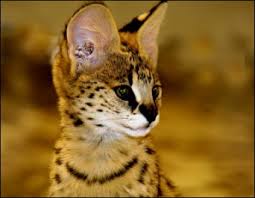
The throng–my personal rogues gallery whose roster includes reputables and reprobates alike–part like the Red Sea, making way for the most noble of all serval cats, The Duchess.

An antidote? Have you been poisoned?” The Duchess queries as she saunters into the open space, a dollop of concern gleaming in her vivid blue eyes.

I try to not laugh, partly out of respect, but mostly due to the fact that though she is the eldest of my unused characters, she is technically still but a kitten. “No, Duchess, it’s an anecdote, as in a short, amusing or interesting story about a person or an incident.

I know full well what an anecdote is, thank you kindly. I was merely attempting to lighten the dreadfully somber mood with a bit of levity.” Not her best faux pas cover, but it was swift, which should count for something. As casually as she could manage, the kitten turned to see if anyone found amusement at her expense. No one did. They knew better. “May I hold it?

I hesitate and stare at the leapling. Created on February 29th all those many years ago, it was my rationale–on paper–for keeping her a kitten, seeing as she had fewer birthdays, she would naturally age at a decelerated rate. The actuality is I have an affinity for kittens. For full grown cats? Not so much. And now the dilemma is if her kittenish nature should come into play and, without meaning to, cause injury to the anecdote, then all this would be for naught.

Her eyes plead with all the promise of being good and I have no choice but to relent. “It’s fragile, so be gentle. Take care not to crush it.” I gently place the anecdote in her cupped paws.

Why does one need an anecdote?” The Duchess of Albion asked, her nose twitching whenever the creature moves its wings.

To tell a proper story.” I answer. “More than just a sequence of actions, anecdotes are the purest form of the story itself.

But I thought characters are at the heart of every great story?

They are and anecdotes connect the hearts and minds of those characters to a story.” I try to feign calm but I can see the kitten’s body tensing up. Her eyes, those glorious baby blues, are studying the creature closely. Was I wrong in my decision to trust that she rules her instincts and not the other way around?

They also add suspense to your story, giving the audience a sense that something is about to happen. If you use them right, you can start raising questions right at the beginning of your story—something that urges your audience to stay with you. By raising a question, you imply that you will provide your audience with the answers. And you can keep doing this as long as you remember to answer all the questions you raise.

The kitten’s breath becomes rapid and her paws close in around the anecdote and I want to cry out, urge her to stop, but it’s far beyond that point now. She is in control of her own fate. Canines bare themselves, paws pulling the creature closer to her mouth.

No!” she shakes her head violently. Her ears relax and her mouth closes as her breathing returns to normal. Then, the oddest thing happens…

The Duchess begins to vanish. All the characters look on in a dazed silence, uncertain how to react.

What is happening to me?” she shoots me a panicked glance as cohesion abandons her form.

Haven’t you sussed it out yet?

No… I’m scared!

Don’t be.” I smile. “Look around you. You’re at the heart of a story. You’re free.

Truly?” she is suddenly overwhelmed with delight, her expression priceless. “But — but what do I do with the anecdote now?

Open your paws, let it fly off.

She unfolds her paws. Tiny wings beat their path to freedom. Then someone from the back of the crowd gives The Duchess a slow clap. Soon, others join in, building into a tidal wave of applause.

The now translucent Duchess waves a tearful thank you to the crowd, before turning back to me with a request, “Say my name.

Why?

Because you always simply address me Duchess and I want to hear you call me by my full name one last time before I g– —

And just like that, she was gone.

I bid you a fond farewell, Your Grace the Duchess of Albion Gwenore del Septima Calvina Hilaria Urbana Felicitus-Jayne Verina y de Fannia. Enjoy your journey. You will be missed.

Sally forth and be writeful.

©2013 Rhyan Scorpio-Rhys

Creative Commons License