Simple Anatomy of a Plot Outline

Image

Somewhere between the synopsis and the treatment lies the plot outline, also known as a one page. Typically one-to-three pages in length, the plot outline is the bare bones of your story before it’s fleshed out with action description and dialogue.

Although there are no hard and fast rules on the level of detail that should be included, a standard plot outline generally contains:

  1. The protagonist and their goal.
  2. The antagonist and their goal.
  3. The supporting cast and their main wants.
  4. The five major plot points (as mentioned in a previous post)
  5. The order of events and sequences.
  6. A list of scenes that properly convey the story.

Every Picture Tells A Story, Though Not Always A Good One

It’s easy to put the boots to M. Night Shyamalan whenever he debuts a new film, but the fact of the matter is as long as Lady In The Water, The Happening and The Last Airbender exist, After Earth will never be considered his worst film.

The story, conceived by Will Smith while he was watching an episode of I Shouldn’t Be Alive, was originally meant to tell the tale of a father and son crashing their car in some remote region, and the son having to venture into rough terrain to get rescue for his father. Will later changed it to:

after-earth-1a

A crash landing leaves Kitai Raige and his father Cypher stranded on Earth, 1,000 years after events forced humanity’s escape. With Cypher injured, Kitai must embark on a perilous journey to signal for help.

It’s a simple story, which is what you should strive for when creating fiction. So, why doesn’t it work (apart from the wooden acting and bizarre futuristic southern military accents)? What storytelling lessons can you learn from After Earth?

1. When good exposition goes bad – Avoiding exposition is nigh-impossible when dealing with science fiction set in the future. In the case of After Earth, the audience needs to be brought up to speed on why humans fled the planet one thousand years ago, as well as being introduced to the new homeworld, Nova Prime. And that’s where it should end. Everything else the audience needs to know should be introduced organically. The one thing you should not use your opening expository scene for is telegraphing the solution for the climax of the story. It’s lazy and a cheat.

2. The protagonist/antagonist relationship – Even with coming of age stories, which After Earth is—–well, that and a motivational speech dressed up as a sci-fi actioner—–the strength and audience interest lies in the conflict found in the relationship between the protagonist and antagonist. The reason After Earth doesn’t ring true isn’t because the protagonist, Kitai, is weak—possessing a weakness that must be overcome is exactly what any good story needs.

The first problem is the antagonist. The thing that combats Kitai in the film is nature—which is filled with its fair share of animal and insect nasties (plus one blast from Kitai’s past, conveniently placed to help him arc properly)—but it doesn’t oppose him. There isn’t one beast that stalks him with animal cunning and outflanks him at every turn, with the ultimate goal of turning him into a tasty morsel. The wilderness isn’t planting snares and death traps in his path to prevent him from reaching his destination.

Not that either of those scenarios are particularly original or great, but something else is needed than to have Kitai stumble and bumble his way through unfamiliar and dangerous terrain. I would have been more invested if he actively tried to outwit the environment and was constantly met with defeat. At least then he would have gained some insight. We learn from mistakes.

Which is the problem I had with the resolution. At the all is lost stage, Kitai suddenly masters the gimmick that allows him to prevail in the end. Without obtaining the wisdom or acquiring the experience to properly do so. And again, it’s a cheat and lazy storytelling.

3. Telegraphing – Some writers mistake this with foreshadowing—the act of dropping hints about certain plot developments that will come to be later in the story. The difference between them? Telegraphing is giving away too much, too soon, thereby ruining the suspense, or the impact of the event.

Before using foreshadowing, have a good think. Is it necessary to heighten the tension? It can be difficult knowing which side of the line you’re on, so if you’re attempting to foreshadow, you should ask yourself if there’s any chance the audience can predict what you’re hinting at? If the answer is yes, take a good look around. You’re standing in telegraph territory. Try a subtler approach.

4. Flashbacks – It’s amazing how many screenwriters still get this wrong by thinking flashback sequences serve the purpose of filling in plot holes in the past. A well-constructed flashback should always move the story forward. Always. If your flashback doesn’t accomplish this, you need to rework your story and find a way to introduce whatever bit of information is missing from your plot.

In After Earth, we have dueling flashback sequences, one set belonging to Cypher which explains his estrangement from his son and the other set telegraphing Kitai’s final obstacle. Nether of these string-of-past-event-sequences impact the present day story, nor do they escalate the conflict. The just provide information that could have be delivered during the Act 1 set-up.

Naturally, there are other problems I had with this film, but delving into them would reveal too many spoilers, so I’ll just end the post here. If you happen to see the film and want to discuss it, feel free to comment below or drop me a line.

Sally forth and be writeful.

Skip The Tell And Bring On The Show

shhhh1

“Show, don’t tell” is one of those bits of advice that gets handed to aspiring writers in writing courses, advice columns, blogs, seminars, and while it may seem simple on the surface, many scribes can’t differentiate the two in their own work.

Telling a story is the blunt delivery of facts. “She was pretty.” “He was hungry.” “They were angry.” Yes, it does get straight to the heart of the matter, which makes it ideal for journalism and academia. But for prose it’s too antiseptic and puts distance between your work and your audience. Your goal as a writer is to immerse the audience into the world and allow them to experience things, people and places for themselves.

How does pretty look on this woman? Is it in the way her terracotta hair carelessly cascades over her delicate shoulders? Or do her eyes have a certain indefinable sparkle to them, making them alluring and sensual, with a touch of mischief? How would you describe hunger? The growling of a stomach and salivation in response to the Pavlovian stimuli of the school lunch bell? And anger, believe it or not, offers you a larger palette to paint from when you explore the other emotions—hurt, fear, grief, exhaustion—at play within it.

So, how do you bring the “show” into your writing?

1. Dialogue – This is the easiest way to let your audience experience a character’s mood and emotions. The catch is to avoid “on the nose” dialogue (I’ll get more into this in another post) which simply means having a character say exactly what they mean. Not only is it bland and boring, it’s unrealistic. In real life people speak in subtext, hinting and beating around the bush, secretly nudging conversation toward what they want to know and even then have to decipher the other person’s true meaning.

2. Sensory language – Using words and details to add color and depth to writing by appealing to your audience’s senses (sight, touch, taste, hearing, smell, emotion) in order to let them fully experience what you’re writing about.

3. More descriptive, less adjectives – The tendency of most fledgling writers is to slap a string of adjectives together to describe an action or scene. But being descriptive is actually about selecting the right words and using them in moderation to put your meaning across. Remember: Adjectives tell. Verbs show.

4. Be specific – Want to frustrate your audience? Try using fuzzy language. Offering up vague sentences like, “It was a pleasant night”, “She was a strange-looking girl”, “His life was a mess”, doesn’t serve you as a writer. Why not invest the time and effort into describing the feeling of a scene and working out the best way convey it to your audience?

Does this mean everything you write should be “showing”? Of course not. Especially when you’re dealing with the dull bits of the story such as travel, transitions, unimportant characters, etc. Instead of boring your audience by expounding on necessary but not particularly interesting details, just say it and move on.

Speaking of moving on, I’m out of here. Sally forth and be writeful.

Climbing The Freytag Pyramid (or getting on top of dramatic structure)

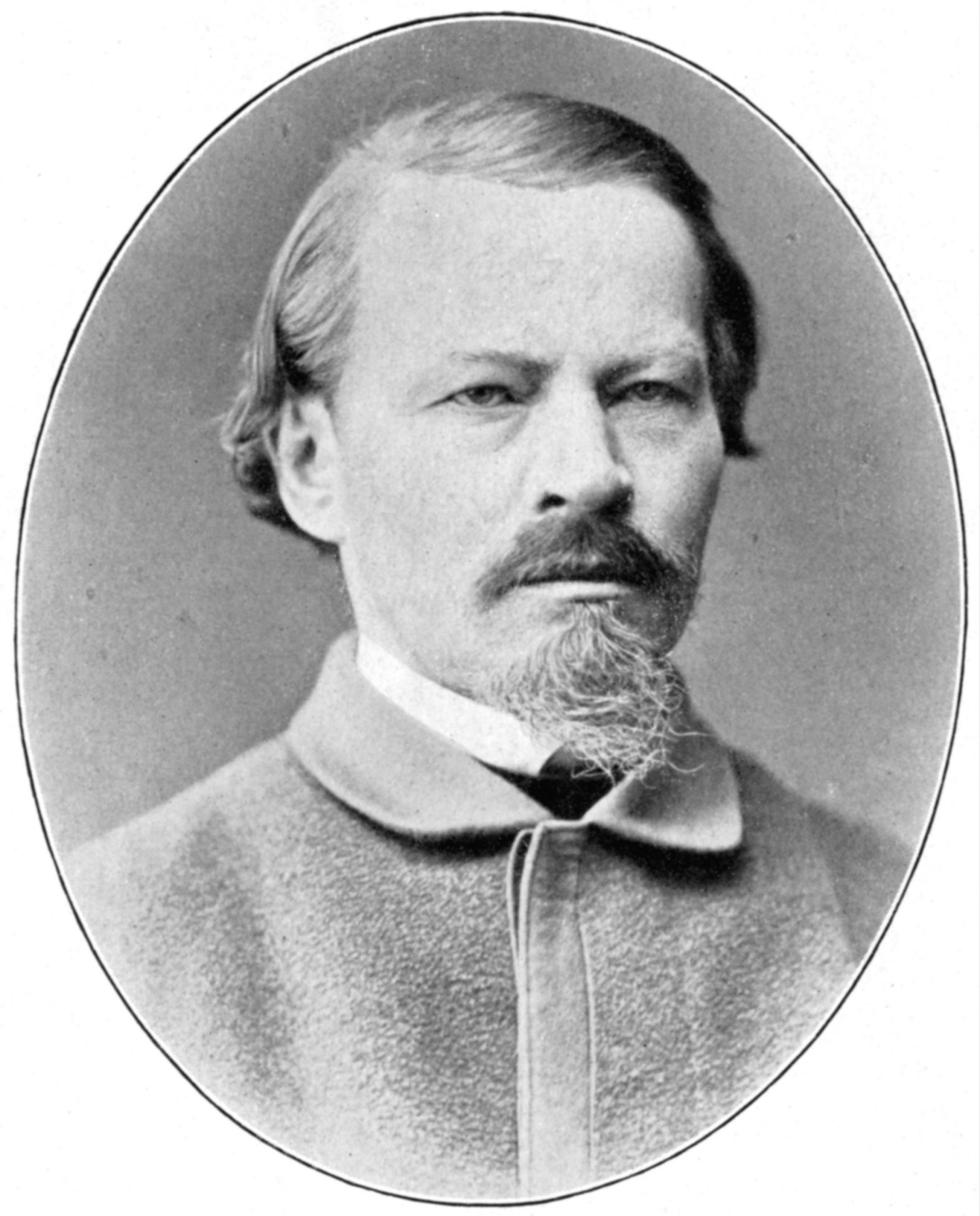
ImageScholars have been analyzing the structure of drama for nearly as long as it’s been written or performed. One of the more notable studies belongs to nineteenth century German playwright and novelist, Gustav Freytag and his “Die Technik des Dramas” (Technique of the Drama).

Image

He didn’t originate the concept, mind you, Aristotle introduced the idea of the protasis, epitasis and catastrophe—beginning, middle and ending—three-act plot structure, which was later replaced with drama critic Horace’s five-act structure.

But creators are never satisfied with the status quo, so when playwrights began toying around with three and four act plays, Freytag wrote a definitive structure study—referred to as Freytag Pyramid—that explained the necessity of dividing a standard drama into the following five acts:

Image

Stage 1: Exposition—as discussed in an earlier post—introduces the setting of the story, the characters, their situation, atmosphere, theme, and the circumstances of the conflict. Traditionally, exposition occurs during the opening scenes of a story, and when expertly executed background information is only gradually revealed through dialogue between major and minor characters.

Stage 2: Rising action—sometimes called complication and development—begins with the point of attack that sets a chain of actions in motion by either initiating or accelerating conflict. Difficulties arise, which intensifies the conflict, while narrowing the possible outcomes at the same time. Complications usually come in the form of the discovery of new information, the unexpected opposition to a plan, the necessity of making a choice, characters acting out of ignorance or from outside sources such as war or natural disasters.

In this stage, the related series of incidents always build toward the point of greatest interest.

Stage 3: Climax—is the turning point, where the protagonist’s journey is changed, for the better or the worse. In comedies, the protagonist’s luck changes from bad to good, due to their drawing on hidden inner strengths. Drama is the other side of the coin, where things take a turn for the worse and reveal the protagonist’s hidden weaknesses.

Stage 4: Falling action—during this stage, the conflict unravels and the protagonist either wins or loses against the antagonist. This is also where a moment of final suspense might be found, in which the final outcome of the conflict is in doubt.

Stage 5: Dénouement—also known as resolution, or catastrophe— in drama, brings the events from the end of the falling action stage to the actual closing scene. Conflicts are resolved in a manner that either creates normality and a sense of catharsis for the characters, or release of tension and anxiety for the audience. In comedy, the protagonist is always better off than they were at the beginning of the story. And in tragedy, the protagonist is worse off in the end—hence the alternate title for this stage, catastrophe.

As I’m sure you’re well aware, Freytag’s analysis wasn’t meant for modern drama. For starters, front loading your story with exposition is usually the kiss of death for your audience’s declining attention span. If exposition is truly needed, it should occur naturally within your story in the smallest fragments possible.

Also, modern storytellers tend to use falling action to raise the stakes of the climax for dramatic impact, having the protagonist fall short of their goal—–encountering their greatest fear or losing something or someone important to them. And when they’re at their lowest point, they’re struck with an epiphany, giving the protagonist the courage to take on the final obstacle, resulting in the classic climax.

And there you have it. Now, sally forth and writeful… and enjoy your weekend.

More Words Than You Need – Some Darlings Ain’t Long For This World

Image“So the writer who breeds more words than he needs, is making a chore for the reader who reads.” ― Dr. Seuss

No better moment exists than when you first get hit with that brand spanking new premise for a story. There will be those of you who disagree, citing the signing of a contract and being handed a check for your work as a better moment, but I beg to differ. When a story first bursts to life in your mind, you are in the superposition of optimism. The story will be great, the best thing you’ve ever written and will be well-received by the washed and unwashed masses alike. No reality lurking about to place limitations on your spectacular vision at this point.

So, you do your prep work—outlining, research, character development, etc.—and pound out your first draft. And you’re happy with yourself. Real happy. Your first instinct is to share it with the world, but before you slap your baby in the mail or post it online, I need to break some bad news to you. Your story isn’t perfect. Not only is it filled with mistakes but it’s a tad overweight.

Since you most likely don’t have access to an editor at this stage in your writing career, the onus is on you to sharpen the edge of your blue-pencil blade to fix typos and cull clumsy or ambiguous phrasing.

If you’ve ever handed a story to someone to read, a story you were sure was error-free, you quickly learned that spotting mistakes in your own writing is difficult. The problem with self-editing is your mind glosses over errors because it knows what you meant to write and sometimes reads that instead of what you actually wrote. Fortunately, self-editing is a skill you can learn to hone in order to eliminate mistakes and improve the quality of your writing:

1. Don’t edit on the fly

I know this is a hard thing to do, but when you’re writing why not concentrate on getting your idea down on paper first? Sure, if you spot a typo it’s okay to correct it or to approach a sentence from a different angle in order to keep flow going, but when you begin deleting sections of your work or get caught in the dreaded rewrite loop—reworking the same paragraph over and over again—you’re placing road blocks between you and the forward progression of your story.

One solution to help break you out of this bad habit may be to try a distraction-free writing program like OmmWriter, Write or Die, Freedom, Grandview, and Don’t Look Back.

2. Set it and forget it

Once you’ve finished your latest magnum opus, stuff it in a drawer and go about your business before you even think about attempting to edit it. Concentrate instead on one of the many things you had to put aside in order to make time to write. What you’re doing here is stepping out from among the trees so you can see the entire forest.

You’ll find when you eventually return to your work, you’re approaching it with a new set of eyes that are better equipped to spot things you’ve missed, things that don’t work as well as you initially thought they did, inconsistencies, etc.

3. Big picture editing before sentence micromanagement

I know, I know, you’re eager to jump in and fine tooth comb your work sentence by sentence, and good on you for being that keen, but before you get into the detail work, I need you to consider examining your content and overall structure. Is there important information missing from the piece? Or a section that’s either irrelevant or seems out of place? How about scenes in desperate need of drastic revision?

Focus on the major issues before you begin tweaking words and sentences.

4. Put your work on a diet

You’ve over-written the piece. Uh-uh, don’t argue. You’re a writer who’s in love with the notion of stringing words together to convey ideas that plant images your audience’s mind, which means you over-write. Don’t be ashamed, most writers use more words than are absolutely necessary.

It’s time to get your piece into fighting shape by cutting its body mass index by ten percent. It’s easier to drop this excess poundage than you think, by simply losing mediocre phrases, unnecessary adjectives, and repeated points.

5. Don’t rely solely on spell-check

A spell-checking program can be your friend, but we all know from experience that it isn’t foolproof. The human eye is still the best tool for catching those sneaky homophone imposter stand-ins (to, too, two; it’s, its; yaw, yore, your, you’re; there, their, they’re), the ever-elusive missing words, auto-correct mishaps, etc.

6. Be backwards in your reading

Mistakes love sliding past you because they realize how tough it is proofing your own work. One of the ways to flip the script and catch them at their diabolical game is to start at the very end of your story and read it backwards. Sounds silly, but it works.

7. Push your darlings out of the nest

One of the awful things about being a writer is that you’re never one hundred percent completely satisfied with your work. But no matter how determined you are to touch the face of perfection, the hard fact is your writing will never be flawless. Accept it. You’re just going to have to settle for the best you can humanly manage. You’ll know when you’ve reached that point when you begin making slight adjustments, then reverting it back to its original form.

It’s time to stop, kiss your darlings on the forehead and push them out of the nest and let them fly into the world.

***

Actually, there are a plethora of editing tips that you can utilize before you get to this stage and instead of listing them all, I’ve decided to post the links below and allow you to browse them at your leisure and cherry pick the ones that work best for you.

30 Quick Editing Tips Every Content Creator Needs to Know

Ten Tips for Effective Editing

Editing Tips for Effective Writing

21 Proofreading and Editing Tips for Writers

And just for kicks I decided to link a list of homophones. Ya never know, might come in handy:

A List of English homophones

Sally forth and be writeful.

Taking It On The Chin: The Graceful Art Of Accepting Rejection

 
“Was I bitter? Absolutely. Hurt? You bet your sweet ass I was hurt. Who doesn’t feel a part of their heart break at rejection. You ask yourself every question you can think of, what, why, how come, and then your sadness turns to anger. That’s my favorite part. It drives me, feeds me, and makes one hell of a story.” ― Jennifer Salaiz

Rejection is: a bitter pill to swallow, tough to handle, a serious downer, like getting sucker punched in the gut, blah-blah-blah. You get the picture, chiefly because you’ve experienced it in one form or another. We all have. Even with this blog, as harmless as it is, I sometimes receive emails that take issue with or flat out reject things I’ve posted. Hey, it happens. You can’t fault people for having opinions that differ from your own.

While it’s no big secret that we all seek acceptance, rejection—impossible to avoid once you step out of your comfort zone and into society—is a part of growth. That’s right, you need it in order to develop as a person and grow as a writer.

Here are a few ways that can help you cope during the initial rough patch of receiving a written or verbal rejection:

1. Take yourself out of the equation

Your written piece is your baby, forever tethered to you by an unseen and intangible umbilical cord, and although it will always be a part of you, when someone disapproves of your work, they’re not necessarily rejecting you, the person.

Yes, I’m well aware it’s impossible to completely divorce yourself from something you’ve created. Especially when that sly critter Self-Doubt sidles up beside you and makes you question if there’s something wrong with you or your talent. But instead of taking this to heart and allowing it to consume you, you need to adjust your thinking.

When your work is rejected it’s usually more a reflection of the viewpoint, needs or requirements of the person making the decision. The thoughts in your work may not align themselves with the thoughts of the audience, which doesn’t necessarily make it bad, it’s simply not a piece that fits into their jigsaw puzzle.

Of course, if they offer you a reason why your work was rejected, you shouldn’t rush to dismiss it. Take a step back, look at the critique objectively and if it has merit, consider using it in your next draft.

2. Anticipate rejection

It’s coming whether you like it or not, so why not bake a Bundt cake, put the kettle on and have yourself a little nosh when it arrives.

When writing, if you expect rejection, what it should do is make you up your game by challenging you to raise the yardstick, push the envelope and send your best work out into the world. And before you mistake my meaning, I’m not asking you to get down on your work and take the negative view that your writing isn’t good enough and never will be. I just want you to adjust your mental outlook. It’s like the saying goes, “Hope for the best, expect the worst.” It cuts down on the disappointment that may come later on.

Also, don’t let a rejection kill your drive and lead you down the path of procrastination. Use it to become a better, stronger writer.

3. Stay focused

You can’t control your peers, society or the world at large, so why not concentrate on your own thoughts, feelings, actions and behaviors? Just because you’re not gifted with the inhuman ability to alter reality, doesn’t mean you’re powerless to alter your personal reality. By turning your focus inward, you acknowledge what you want and realize you have the power to set events in motion to achieve your goals.

How does this apply to rejection? You may be able to avoid the downward spiral of self-doubt by accepting there will always be cynics who are entitled to their opinions, be they informed or otherwise, and said opinions do not—and I repeat do not—have power over you. Instead of focusing on their negativity, turn your attention to what you can control, applying what you’ve learned from their comments and moving forward to produce more powerful work.

4. Spot the merit in rejection

I know I’ve taken an “it’s them, not you” approach in this post but honestly, not all rejection is unfounded. We’ve all produced work that exists on different levels. Some writings strike the right chord with the majority of your audience and others miss the mark by scant inches and even a mile. This is when you let slip your inner critic and examine your work for uninspiring ideas, a poor approach, confusing views, unclear writing, etc.

It also helps to learn to self-question, which is far and way different from self-doubt. Turning detective and analyzing why the person in question didn’t accept the story, what were they looking for and what you could have done differently to meet their needs, may help you decipher learning points of which you were previous unaware.

A word of cautious: Unless you have a personal connection with an editor or publisher, I would advise against contacting them directly to ask why your work was rejected. While you may see it as a means to improve your craft, your intent may be misconstrued. You never want to gain the reputation of being that person. Or, perhaps you do. In that case, have at it. Who am I to tell you what to do?

5. Understand that rejection is growth

You’ve heard the saying, “One step forward, two steps back,” and you might believe receiving a rejection is taking those two soul-crushing backward steps, but you, my friend, are absolutely 100% incorrect. It’s the one step forward to understanding what people are looking for in the real world and how you can progress your writing to accomplish your objectives.

And if you have a piece of writing that has received more than a few rejections, instead of chucking it in the drawer of misfit tales, why not give it the once-over one more time, taking all the rejection information into account while you do it. You just might find that you can spot and understand the weak points in your story’s structure and fortify them with the experience you’ve gained from learning how to cope with, deconstruct and master the lessons within the criticism you’ve received.

As I said from the start, you’re not the only person who’s dealt with rejection. Click this link and view some of the rejection letters received by bestselling authors. If they can handle it and move on, so can you.

Sally forth and be writeful.
Don’t Be A Chump, Don’t Infodump

Image

Finding balance in your life isn’t simple. Balancing life and writing is even harder. Finding balance in your writing? That’s something you’ll be working on for the rest of your natural writing life, because a well-written story balances exposition, description, action and dialogue, but not in equal measure. You need to keep a watchful eye on exposition.

In its basic form, exposition is the part of a story that sets the stage for the drama to follow, introducing the theme, setting, characters, and circumstances, usually at the beginning of the story. Sounds straightforward enough, right? Well, writing good exposition that flows with the story and continues to draw the audience in, isn’t as easy as it sounds. In fact, many writers misuse exposition as an illegal dumping ground for information that not only causes a distraction that breaks the flow of a story, but also decreases interest.

And you don’t have to be an expert to spot the exposition dump (aka infodump) because we’ve all experienced and recognized it while reading a novel or watching a movie or television program. It’s that speed bump or sometimes roadblock in the story where the writer unloads a ton of information at once as a means of explaining things like backstory, characters, and the rules of the story world. If you’re a culprit of this, stop it now. We’ll forgive your ignorance in past works (go back and cull the exposition, if at all possible) but it’s a bad exposition technique and the line must be drawn here. This far, no further.

Typically, infodumping occurs when a character, new to the scene, is introduced to a foreign setting and is force-fed all the knowledge of the various individuals at play, the rules of the micro society, and the overall big picture of the story world. You’ll find this a lot in science fiction and fantasy tales.

Other bad/lazy infodumping techniques include “The Lecture,” where a speaker over-explains information the writer discovered during their research period of the writing process and thought would show their faux expertise in the subject. The other offender is commonly known in the sci-fi writing community as the “As You Know, Bob,” conversation, where one character tells another character information they already know. Please don’t do this. Not only is it lazy, but it comes across as unrealistic.

This isn’t to say that all exposition is bad, in fact, properly executed, it takes up roughly 10% of a well-balanced written piece (the other 90%, of course, being the description, action and dialogue that make up the scenes). Some of the information embedded within expository text is actually relevant, it simply requires a little finesse to fit it in seamlessly and not disrupt the story’s flow.

Of course, if you handle your description, action and dialogue properly, you can whittle that 10% down and most people won’t notice or care about the missing exposition.

Well, that’s enough infodumping for me today. I’m off to tear a story down and rebuild it.

Sally forth and be writeful.

Be Violent And Original (in your writing, naturally)

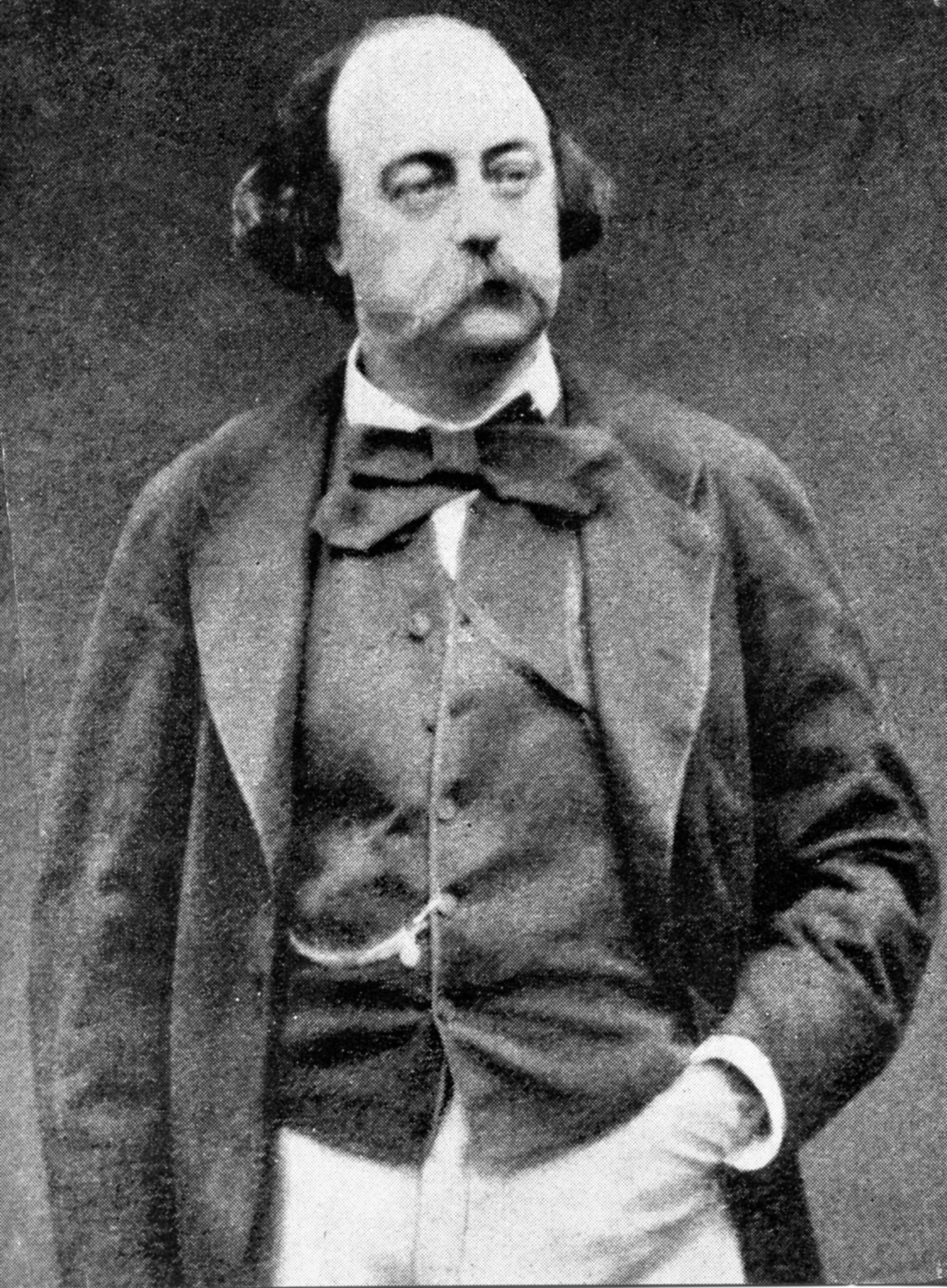
Image“Be regular and orderly in your life, so that you may be violent and original in your work.” – Gustave Flaubert

Live a good life. This isn’t something I should have to tell you. As you make your way through the workaday world, you should strive to do no harm, treasure your relationships with family and friends, seek calming pleasures that contribute to peace of mind, and live in harmony and balance.

Your written life? That’s a different creature all together.

Safe, tame, bland, and sometimes “it’s good” (with the unspoken “but…” attached on the end like a phantom limb) are among the worst things someone can say about your work. Whenever you write, your goal should be to provide elements that hook your audience and reels them in and after the story has been told, leaves them with an emotional takeaway.

Writing is about risk-taking, about snapping off the handbrakes, about shrugging off restraint, about leaving your internal censor bound and gagged in a tiny room, allowing your words and imagination to run amuck and wreak havoc in the world you’ve created.

If you’re not currently writing this way, what’s holding you back? What’s bridling your passion? What’s preventing you from creating bold characters, powerful phrases and dangerous situations? If not yours, then whose hand is on the lever that controls the sluice gates holding back the churning anxiety, obsession and peril your story desperately needs?

Are you trapped within the safe zone because of fear? Then allow me to geek out a moment as I quote the litany of fear, an incantation used by the religious/political sisterhood known as the Bene Gesserit from Frank Herbert’s science fiction classic, Dune:

I must not fear. Fear is the mind-killer. Fear is the little-death that brings total obliteration. I will face my fear. I will permit it to pass over me and through me. And when it has gone past I will turn the inner eye to see its path. Where the fear has gone there will be nothing. Only I will remain.

Fear is also an art-killer. It’s typically the fear of being judged by professionals, critics and peers, of not being admired by the audience for taking a controversial stance or doing horrible things to characters. But the possible opinions and tastes of everyone outside yourself shouldn’t factor in while you’re creating your story. The transfer of ownership hasn’t taken place at this point. It isn’t the reader’s story yet, it’s still yours, so why not write fiercely?

Give your characters barbed tongues and let them spit venom. Give them the courage to do all the things you would never dream of attempting, even on your most adventurous or foolhardy day. Tear their hearts out and make them suffer as you place them smack dab in the center of conflict and tension-filled drama.

Basically, I’m asking you to fish out that key that you’ve hidden in the back of a junk drawer within the deep recesses of your mind and open the door to your wildest imaginings.

You’ll come to discover that if you’re open, honest and free in your writing, yes, you will have your critics and people who won’t either like or understand your work, but you’ll also attract an audience that will come back for more.

What’s that? You need more incentive? Okay, well I didn’t want to break out the big guns but here goes:

I dare you to become more engaging and intriguing with your writing. I double-dog dare you.

See what you made me do? Happy now?

Sally forth and be writeful.

Applying Life Lessons To Your Writing

Image

If you approach online surfing with the mentality of a prospector and sift through content, letting the useless bits fall away (no judgments on the content you derive enjoyment from) the interwebz is packed to the rafters with knowledge, wisdom and lessons. It’s the wise sage of our virtual village.

Not surprisingly, a great deal of the adages that can be applied to your life can also be applied to your everyday writing, be it screen, creative, novel, short story, blogging, etc.

The goal of a post like this isn’t to sugar coat how difficult and torturous writing can be at times, there’s no masking that truth. Your takeaway from this should be that your approach to and mental outlook on writing needs to become a positive thing, if it isn’t already.

“There is time enough for everything in the course of the day, if you do but one thing at once, but there is not time enough in the year, if you will do two things at a time”

Unlike Lord Chesterfield, to whom the above quote is attributed, I’m not opposed to multitasking, and I’m sure you’re a marvel at juggling several things at a time, but when you sit down to write, that’s all you should be focused on.

“But,” you say, “I’m a chronic multitasker!” Don’t worry, I’m not trying to strip you of your royal heritage, but it is essential to develop a meditative focus when it comes to act of writing. You’re creating a world, sharing an experience, and/or teaching a lesson to your reader, and they deserve your full attention, don’t they?

Nothing ventured, nothing gained/You only get out of life what you put into it.

What exactly can you put into your writing?  The answer to that question is up to you. Hard work, determination, and a positive attitude are a few things that come to mind. Doing the donkey work and writing everyday, come hell or high water, are the breadcrumbs you lay down to attract the muse.

“There are no mistakes. The events we bring upon ourselves, no matter how unpleasant, are necessary in order to learn what we need to learn; whatever steps we take, they’re necessary to reach the places we’ve chosen to go.” –Richard Bach

You will make mistakes in your writing. That fact is as certain as one day you will die (but not for a long, long, long time, knock wood). All the missteps in tackling a story you couldn’t work out an ending for, creating characters that refuse to talk to you, stories that lie as flat as road kill, and even writing that makes you absolutely retch. Embrace it all. Mistakes are your teachers along the rocky path of becoming a successful writer. To be clear, being successful has nothing to do with publication, sales, or fame. Sure, that stuff’s awful nice to have (great job if you can get it) but satisfying your inner critic is the mark of true success, in my humble opinion.

“People deal too much with the negative, with what is wrong. Why not try and see positive things, to just touch those things and make them bloom?” — Nhat Hanh

Yup, we’re back on that positivity kick again. Why? Because it’s your cheerleader when you absolutely hate your work, your rah-rah section when you’re slogging through difficult writing, and your attaboy when you finally clear the briar patch of a formerly impossible writing task. The responsibility rests upon your shoulders to become your biggest fan throughout all the writing stages–brainstorming, outlining, character development, the draft, and yes, even editing.

I could list others, but I think you get the point and you’re smart enough to figure the rest out on your own. Good luck, and stay positive.

Sally forth and be writeful.

I Question Your Character (and so should you)

Image

As stated in a previous post, hand in hand with creating a strong premise for your story, developing believable characters to fill your imaginary world is an essential part of constructing fiction. The best way for your audience to identify with characters lies in your ability to understand them fully, and the best way for you to accomplish this is to talk to them, or better yet, ask them a series of questions. It’s important that you don’t allow them be evasive and certainly do not take no for an answer.

Don’t worry, you won’t be asking them complicated things like their strategy on balancing the nation’s budget, why the burning sun doesn’t incinerate itself, or how do you solve a problem like Maria? The list of questions below are relatively basic, some which have occurred to you and others that most likely haven’t. And even though most of their answers aren’t particularly relevant to your story and probably won’t come up in conversation, it will aid you in understanding the inner workings of their nonexistent minds.

You’ll notice that the questions have been broken up into bite-sized nuggets, thus making the task of developing your characters less insurmountable, and offering you a coffee or ciggie butt break between your interrogation, should you need it. Now, without further ado:

101 Character Development Questions (grill ‘em like a steak!)

Character Development Questions #1 – The Basics

These are the first questions you need to answer about your character – the stuff you probably need to know to get started.

  1. Name?
  2. Age?
  3. Approximate height?
  4. Approximate weight?
  5. Hair color?
  6. Eye color?
  7. Skin tone?
  8. Do they speak with an accent?
  9. Where are they from?
  10. Where are they now?

Character Development Questions #2 – Backstory

Developing a solid backstory for your characters is essential – even if you don’t put much or any of it in the narrative. The more you treat your character as though they are a real person, the more real they’ll become.

  1. Who are their parents? Biologically and socially.
  2. What is their earliest memory?
  3. What did they want to be when they grew up?
  4. What did/do their parents want them to be?
  5. Do they have siblings? Older or younger? Brothers or sisters?
  6. Do they have or have they ever had children? How many?
  7. Do they or have ever had a significant other? Are they still with them? Why? Why not?
  8. What were they doing right before the story starts?
  9. Up until now, what’s the most noteworthy thing they’ve done? To them? To the people around them?
  10. What was their education like?

Character Development Questions #3 – Tastes

Your characters likes and dislikes is possibly the most overt part of ‘who they are’.

  1. What’s your character’s favorite color?
  2. Do they/would they choose to wear a scent? What would it be?
  3. Do they care about what things look like? All things, or only some?
  4. What’s their favorite ice cream flavor?
  5. Are they a tea, or coffee drinker? Or soft drinks, or do they drink a lot of alcohol? What kind?
  6. What kind of books do they read? What TV shows and movies do they watch?
  7. What kind of music do they like? Do they like music at all?
  8. If they were about to die, what would they have as their last meal?
  9. Are they hedonistic? In all cases? Or does practicality sometimes/always/often win out?
  10. Do they have any philias or phobias?

Character Development Questions #4 – Morals, Beliefs, and Faith

A character’s moral code and beliefs can offer a lot of insights on their motives, and the likelihood of their taking a given course of action.

  1. Do they have an internal (something that they’ve come up with for themselves) or an external (something handed to them via religion, family traits, etc.) moral code?
  2. To what extent are their actions dictated by this code?
  3. Do they believe in a God or Gods/Goddesses/Higher being of some description?
  4. Are they superstitious?
  5. Do they value faith/instinct more highly than reason?
  6. Do they believe in an afterlife? If so, what’s it like?
  7. Do they have any specific beliefs that manifest obviously?
  8. Are the respectful of the beliefs of others? To what extent?
  9. Have they ever had to stand up to criticism for being religious? Or not being religious?
  10. Would they be more likely to act for the good of the one, or the good of the many?

Character Development Questions #5 – Relationships

It would be difficult to write a character who never interacted with anyone else. We learn more about a character from the way other people react to them than by their actions alone.

  1. Do they make friends easily?
  2. Do they have a best friend?
  3. Can they get people to do what they want them to? If so, how?
  4. Do they have a lot of romantic relationships? Serious, or short term?
  5. Do they fall in and out of love easily?
  6. Do strangers and acquaintances actually like them when they meet?
  7. Do they have a network (people they’re connected to without necessarily knowing)?
  8. What is their relationship like with their family?
  9. Are they still in touch with non-family people they were in touch with a year ago? Five years? Ten? More?
  10. Do they like children? Do they want children of their own?

Character Development Questions #6 – Physical Appearance

Time to play dress up!

  1. How does this character dress? How would they choose to dress, if all options were open to them?
  2. Do they have any tattoos? What do they mean?
  3. Do they have piercings? How many? Is this culturally appropriate for them?
  4. Do they have scars? Where did they come from?
  5. Do they alter their appearance in some way on a regular basis (make up, hair dye, etc.)?
  6. Is there something they’d choose to change about their appearance if they had the opportunity to?
  7. Is there something about their appearance they’re particularly proud of/happy with?
  8. Objectively, are they physically attractive? Fairly plain? Unattractive?
  9. Do they have an accurate mental picture and opinion of their physical appearance?
  10. How much time do they spend thinking about their physical appearance?

Character Development Questions #7 – General Knowledge

How well acquainted is your character with the world around them?

  1. Can they navigate their own local area without getting lost? To what degree?
  2. Do they know who the top politician or monarch is where they live? What about elsewhere?
  3. Do they know if/where there are any major conflicts going on right now?
  4. Do they know the composition of water?
  5. Do they know how to eat a pomegranate (or any other tricky item of food)?
  6. Are they good with the technology available to them? Average? Completely hopeless?
  7. Could they paint a house… without making a mess of it?
  8. Could they bake a cake? Would you eat it if they did?
  9. Do they know how to perform basic maintenance on the common mode of transportation?
  10. Do they know the price of a loaf of bread?

Character Development Questions #8 – Specific Knowledge

What about special skills?

  1. Do they have a specific qualification in a narrow area?
  2. Is there something they do or know exceptionally well that most other people don’t?
  3. Do people often comment on a particular skill or area of knowledge to this character? Behind their back?
  4. Is there an area this character could be considered top of their field or a genius in?
  5. Have they deliberately sought to gain knowledge in a specific area? If so, why?
  6. Do they speak more than one language? More than two? Why?
  7. Does their cultural background effect what they would be expected to know?
  8. Have they ever been publicly acknowledged for being well-versed in something?
  9. Have they ever been bullied for knowing a lot about something?
  10. Do they actively seek new knowledge, or let it come to them naturally?

Character Development Questions #9 – “What if…” Questions

These questions are designed to give you a different perspective on why certain things are important about your character – or why they’re not.

  1. What if they’d been born with a different biological sex?
  2. What if they’d have more or less siblings?
  3. What if a key formative event in their past had gone differently?
  4. What if they lost a limb?
  5. What if someone close to them died unexpectedly?
  6. What if they’d been born 50 years earlier? 100 years? 1000?
  7. What if they’d done something completely different on the morning when the story starts?
  8. What if they found enough money to make them wealthy for the rest of their life in a bag?
  9. What if they were stranded and deserted?
  10. What if they were betrayed by someone they trusted?

Character Development Questions #10 – Miscellany

These are just questions that any real person would likely be able to answer, but a fictional character often can’t.

  1. What did they have for breakfast this morning?
  2. What ridiculous beliefs did they have as a child?
  3. Do they like marshmallow treats?
  4. Do they sleep on their side, front, or back?
  5. Do they work better with sound or silence?
  6. Do they have a strange obsession with something minor?
  7. Do they like art?
  8. How fast can they run?
  9. Do they prefer to sit on the floor or on a chair?
  10. What do they want, right now?

Question 101 – Why Should Give A Tinker’s Damn About Your Character?

Don’t get offended, it’s a valid question. What makes your character interesting? Am I supposed to like them, or hate them? Why?

————————————————————————-

Congrats! You’ve made it to the end of the tedious, yet invaluable character question list. Hopefully it helps. Now stop standing around here gawking. Sally forth and be writeful.

Enjoy your holiday weekend (and you really should have invited me over for barbeque. Next year, eh?)