
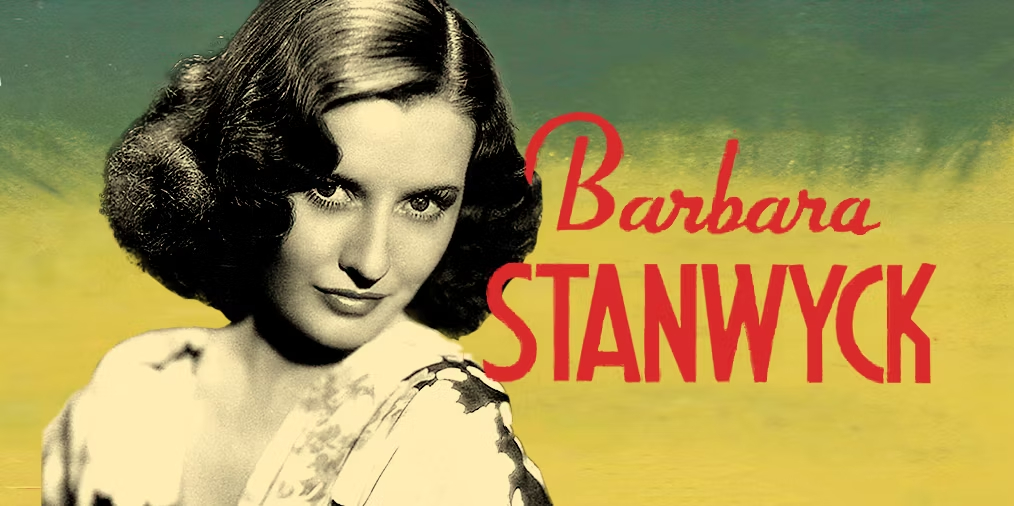
In the luminous constellation of Hollywood’s golden age, few stars shine as brightly or as boldly as Barbara Stanwyck. Before the strict enforcement of the Hays Code reshaped American cinema, Stanwyck captivated audiences with her dynamic performances in a series of pre-code films that pushed the boundaries of storytelling, sexuality, and female autonomy. This blog post delves into the pre-code work of Barbara Stanwyck, exploring how her roles during this era were emblematic of a fleeting period of cinematic freedom and how they helped cement her legacy as one of Hollywood’s most enduring icons.
A Maverick on Screen
Barbara Stanwyck’s career in the pre-code era was marked by a series of performances that were as varied as they were groundbreaking. She portrayed strong, independent women who navigated the complexities of society, love, and ambition in a way that was unheard of at the time. Stanwyck’s characters were often ahead of their time, embodying a blend of vulnerability and strength, and always with a nuanced depth that defied the simple archetypes of women typically seen on screen.
“Night Nurse” (1931)
One of Stanwyck’s most notable pre-code films is “Night Nurse,” where she stars as Lora Hart, a dedicated nurse who uncovers and combats a plot to murder her wealthy patient’s children. The film was bold for its time, showcasing Stanwyck’s character as a tenacious and morally upright heroine willing to fight against corruption and abuse. “Night Nurse” exemplifies the pre-code era’s willingness to tackle serious social issues and highlight female agency.
“Baby Face” (1933)
Perhaps no other film showcases Stanwyck’s pre-code legacy quite like “Baby Face.” In this film, Stanwyck plays Lily Powers, a young woman who uses her intelligence, charm, and sexuality to climb the social and economic ladder, leaving a trail of broken men in her wake. “Baby Face” is a striking commentary on gender, power, and ambition, with Stanwyck’s performance challenging the societal norms of the time. The film was so controversial that it underwent significant censorship and editing to comply with the Hays Code requirements.
Stanwyck’s Impact on Hollywood
Stanwyck’s pre-code films were not just entertainment; they were a reflection of the changing attitudes towards women’s roles in society. Through her characters, Stanwyck explored themes of female independence, sexual autonomy, and the pursuit of personal ambition outside of traditional norms. Her work during this period paved the way for more complex and realistic portrayals of women in cinema.
A Legacy of Empowerment
Stanwyck’s portrayals provided a glimpse into the potential for a more progressive and inclusive Hollywood, one that was sadly curtailed by the enforcement of the Hays Code. However, the impact of her pre-code work endures, serving as a testament to her talent and the fleeting period of artistic freedom that defined early 1930s cinema.
Conclusion
Barbara Stanwyck’s pre-code films remain a fascinating study of a Hollywood at the cusp of change. Through her performances, Stanwyck not only entertained but also challenged and inspired. She navigated the complexities of her characters with an authenticity and depth that continue to resonate with audiences today. As we look back on the pre-code era, Stanwyck’s legacy stands as a reminder of the power of cinema to reflect and influence societal norms, and of the enduring impact of a true Hollywood maverick.
 MADD FICTIONAL